Hot tire pickup is a common problem for garage floors, especially in Cleveland where temperature fluctuations and vehicle use can accelerate wear. This issue occurs when heat from tires softens traditional epoxy coatings, causing them to lift or peel. Polyaspartic floor coatings offer a superior solution by resisting heat, curing quickly, and providing durable protection against hot tire pickup. These coatings are ideal for Cleveland homeowners seeking long-lasting, attractive garage floors that withstand local climate challenges. In this article, we explore the causes of hot tire pickup, the advantages of polyaspartic coatings, and how to select trusted contractors like J&P Coatings for expert installation in the Greater Cleveland area.
What Causes Hot Tire Pickup on Garage Floors?
Hot tire pickup happens when the heat generated by vehicle tires softens the garage floor coating, typically epoxy, causing it to lift or peel from the concrete surface. This results in unsightly damage and reduces the floor’s durability. In Cleveland, where seasonal temperature swings and frequent vehicle use are common, this problem can be especially pronounced, making it important for homeowners to choose coatings that can withstand these conditions.
How Tire Heat and Epoxy Softening Lead to Hot Tire Pickup
The heat from tires during driving or idling can reach levels that soften epoxy coatings. As the tires grip the softened surface, they pull the coating away from the concrete. The weight of the vehicle combined with high temperatures worsens this effect, leading to peeling and damage that compromises the floor’s appearance and function.
What Are the Effects of Hot Tire Pickup on Concrete Floor Durability?
Hot tire pickup damages the concrete floor’s protective coating, causing peeling, scratches, and surface degradation. This not only diminishes the garage’s aesthetic appeal but also shortens the lifespan of the floor coating. In Cleveland’s climate, where freeze-thaw cycles and moisture exposure are factors, damaged coatings can lead to more extensive concrete deterioration and costly repairs.
How Does Polyaspartic Floor Coating Prevent Hot Tire Pickup?
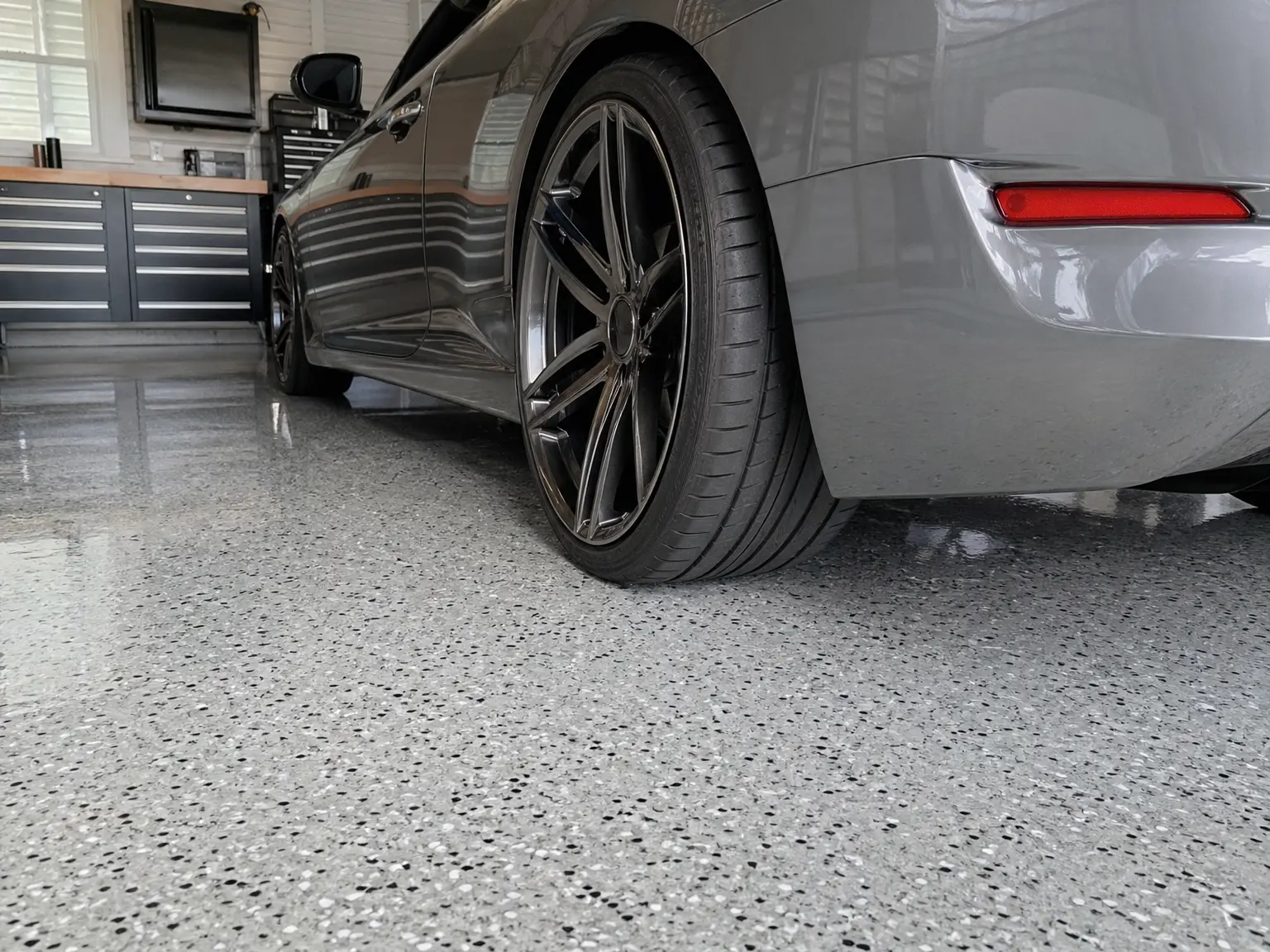
Polyaspartic floor coatings are engineered to resist the heat generated by tires, preventing the softening and peeling seen with epoxy. Their chemical composition allows them to cure rapidly and form a tough, heat-resistant surface that maintains integrity under Cleveland’s variable weather and heavy vehicle use. This makes polyaspartic coatings an excellent choice for homeowners who want a durable, attractive garage floor that resists hot tire pickup and other common forms of wear.
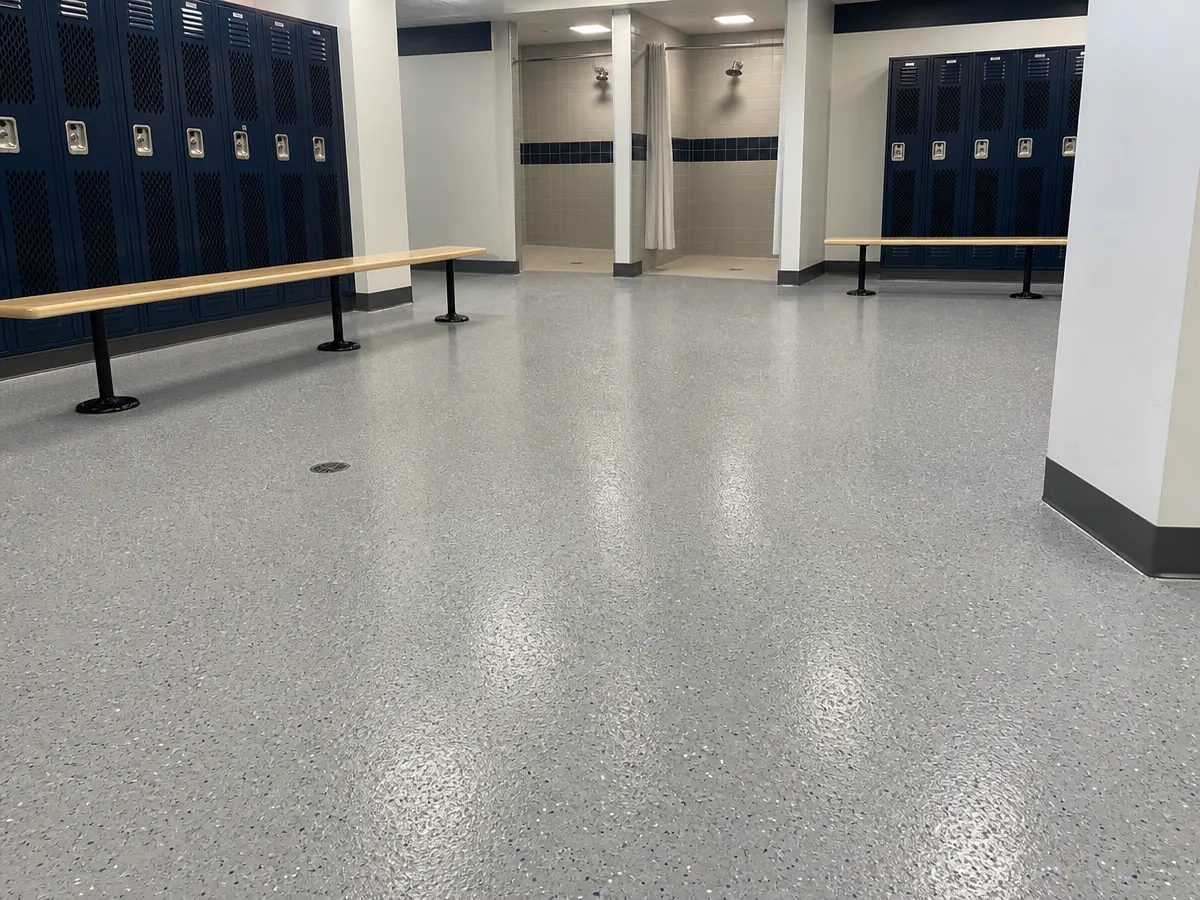
Beyond garages, polyaspartic coatings are versatile and used in various residential and commercial settings due to their durability and fast curing times.
What Are the Technical Advantages of Polyaspartic Coatings Over Epoxy?
Polyaspartic coatings cure much faster than epoxy, reducing installation time and allowing homeowners in Cleveland to use their garages sooner. They also offer superior UV resistance, preventing yellowing and fading from sunlight exposure, which is beneficial for garages with windows or open doors. Their flexibility reduces cracking and peeling, enhancing longevity compared to epoxy coatings that can become brittle over time.
These technical benefits make polyaspartic coatings a modern, high-performance alternative to traditional epoxy.
How Does Polyaspartic Coating Enhance Garage Floor Durability?
Polyaspartic coatings provide excellent chemical and abrasion resistance, protecting garage floors from daily wear such as vehicle traffic, dropped tools, and spills. Their long lifespan means fewer repairs and replacements, which is cost-effective for Cleveland homeowners. The coating’s resilience to freeze-thaw cycles and moisture also helps maintain concrete integrity in the region’s climate.
Research supports the durability of polyurea-based coatings like polyaspartic, highlighting their suitability for demanding environments.
What Are the Alternatives to Epoxy for Garage Floor Coatings?
Besides epoxy, homeowners can consider polyaspartic and urethane coatings. Polyaspartic coatings cure faster and resist UV damage better, while urethane coatings may offer a softer finish but can be less durable under heavy vehicle use. Choosing the right coating depends on the homeowner’s specific needs, garage usage, and local environmental factors.
How Do Polyaspartic and Urethane Coatings Compare?
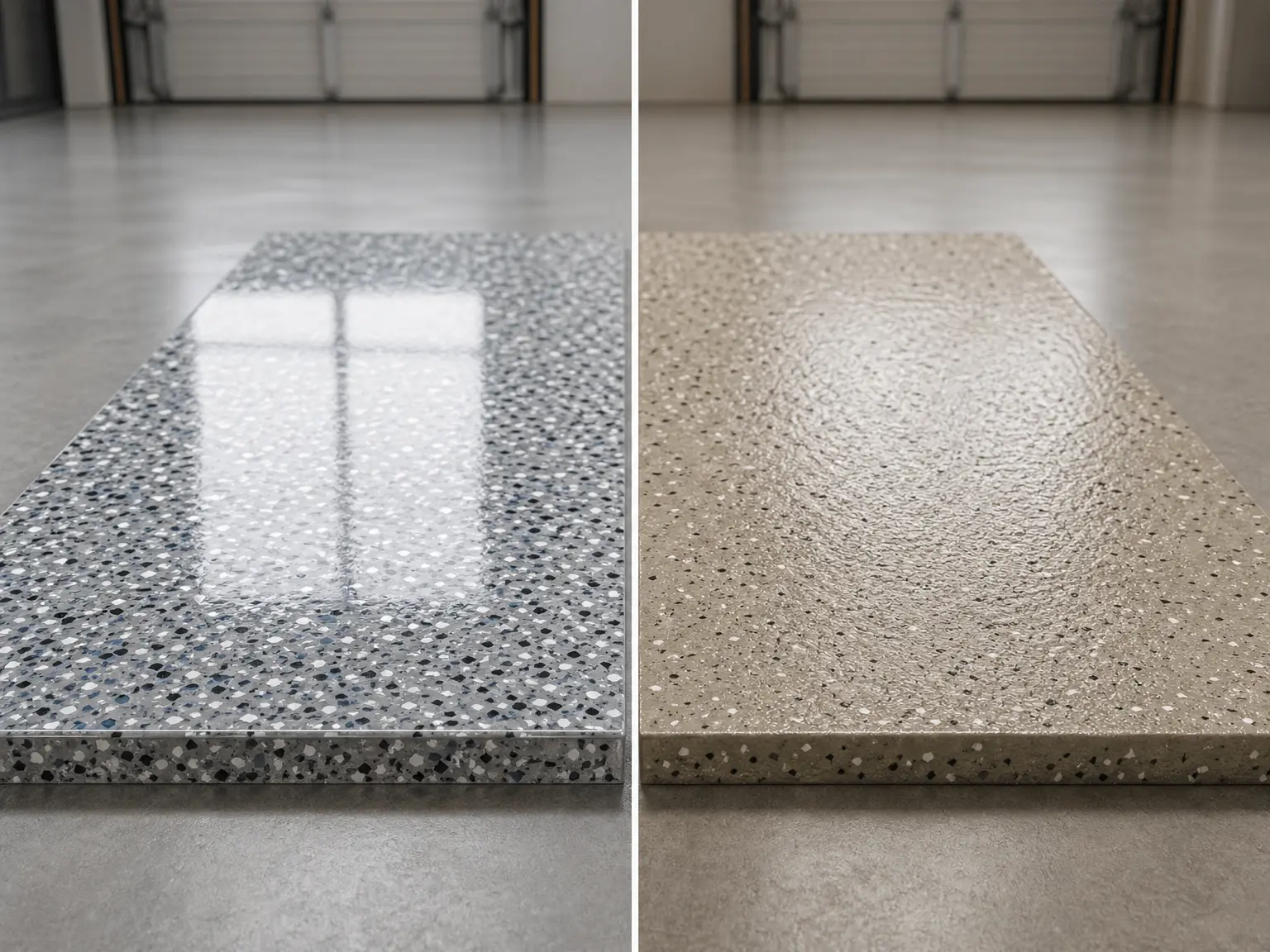
Polyaspartic coatings cure quickly and maintain color and finish under UV exposure, making them ideal for Cleveland garages exposed to sunlight. Urethane coatings may feel softer but can be more vulnerable to damage from heavy vehicles and temperature changes. Homeowners should weigh these factors when selecting a coating.
Why Choose Polyaspartic Coatings for Garage Floors in Cleveland?
Cleveland’s climate, with its temperature swings, humidity, and freeze-thaw cycles, demands a garage floor coating that is both durable and resistant to environmental stress. Polyaspartic coatings meet these needs by providing heat resistance, fast curing, and long-lasting protection. Their ability to withstand local weather conditions and heavy vehicle use makes them the preferred choice for Cleveland homeowners seeking reliable garage floor solutions.
How to Select and Work with Garage Floor Coating Contractors in Cleveland?
Choosing an experienced contractor is key to a successful polyaspartic floor coating installation. Homeowners should seek contractors with proven expertise in polyaspartic applications and positive local reviews. Asking about previous projects, product brands, and installation methods helps ensure quality results. In Cleveland and surrounding areas, J&P Coatings is a trusted provider specializing in high-performance polyaspartic coatings, offering expert service and durable finishes tailored to local needs.
What Should You Expect During the Polyaspartic Coating Application Process?
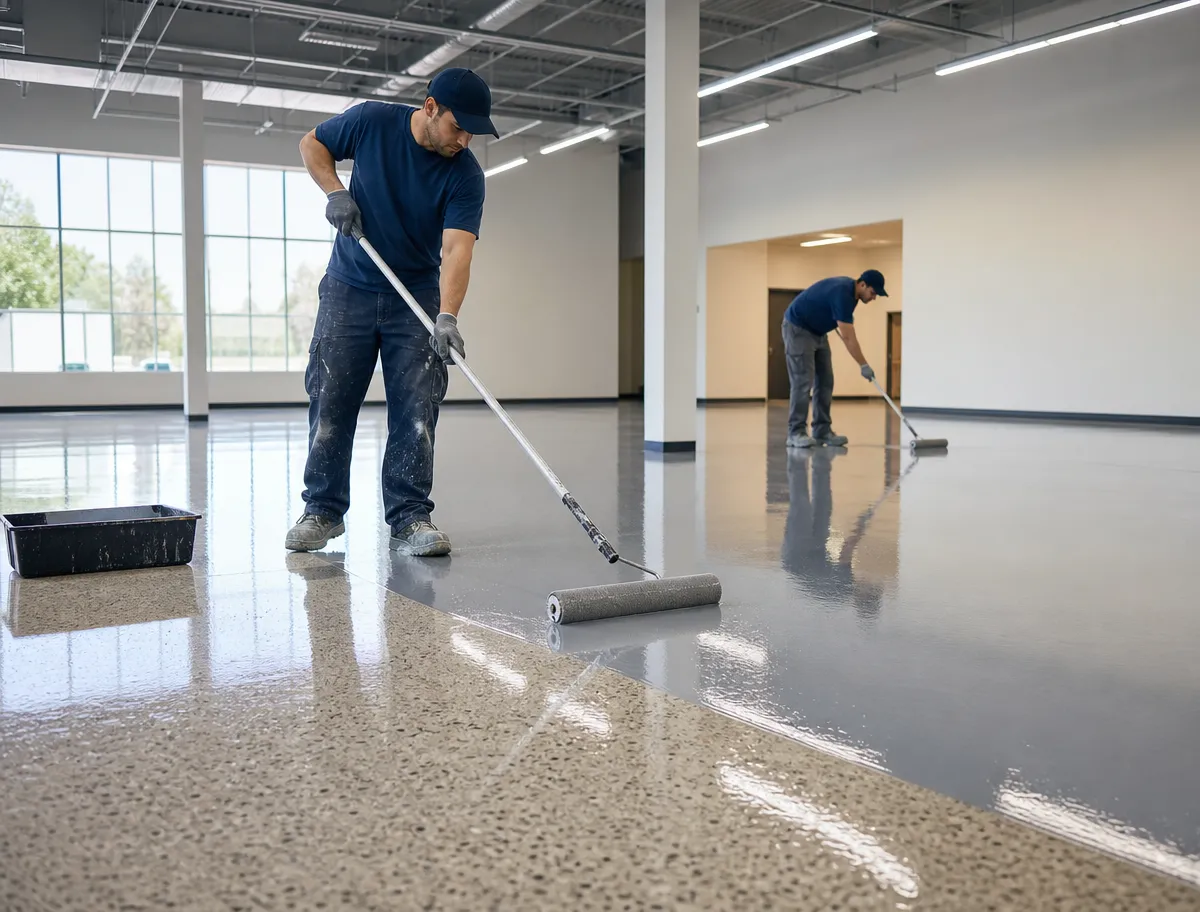
The application process involves thorough cleaning and preparation of the existing floor to ensure adhesion. Polyaspartic coatings are then applied in multiple layers to achieve the desired thickness and durability. Thanks to their rapid curing properties, the entire process is completed quickly, minimizing downtime and allowing homeowners to use their garages within a short period.
Protect Your Cleveland Garage Floor with J&P Coatings
For durable, heat-resistant, and fast-curing garage floor coatings that stand up to Cleveland’s climate and vehicle demands, trust the experts at J&P Coatings. Our professional polyaspartic floor coating services deliver long-lasting beauty and protection, preventing hot tire pickup and other common issues. Contact J&P Coatings today to schedule your free estimate and transform your garage floor with quality you can rely on.
Frequently Asked Questions
What is hot tire pickup and why does it happen?
Hot tire pickup occurs when heat from vehicle tires softens garage floor coatings like epoxy, causing the coating to lift or peel from the concrete surface.
How does polyaspartic coating prevent hot tire pickup?
Polyaspartic coatings resist high temperatures and cure quickly to form a durable, heat-resistant surface that prevents softening and peeling caused by hot tires.
Is polyaspartic coating suitable for Cleveland’s climate?
Yes, polyaspartic coatings withstand temperature fluctuations, UV exposure, and moisture common in Cleveland, making them ideal for local garage floors.
How long does the polyaspartic coating application take?
The application process is fast due to rapid curing, often allowing homeowners to use their garage within 24 to 48 hours after installation.
Why should I choose J&P Coatings for my garage floor?
J&P Coatings specializes in high-performance polyaspartic coatings with expert installation, serving Greater Cleveland and nearby areas, ensuring durable and quality results tailored to local needs.