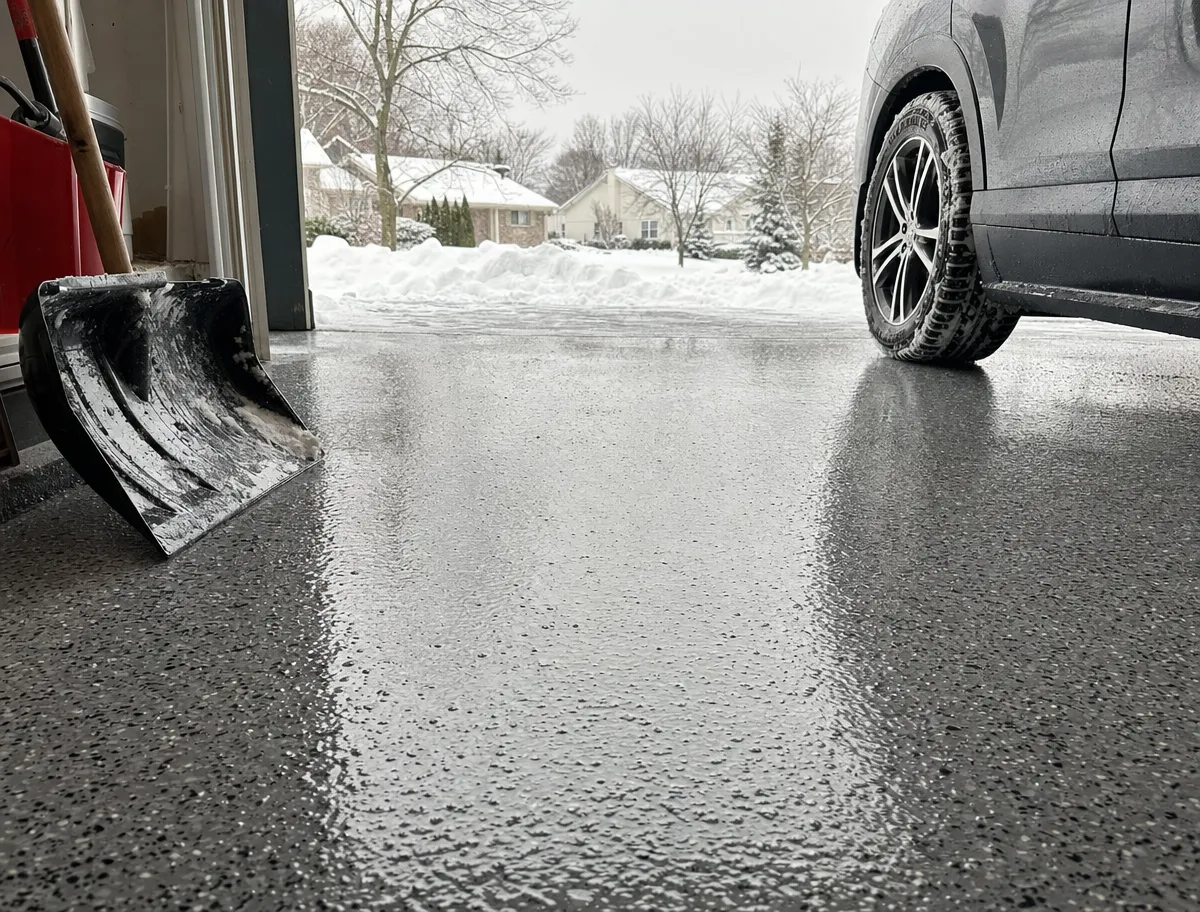
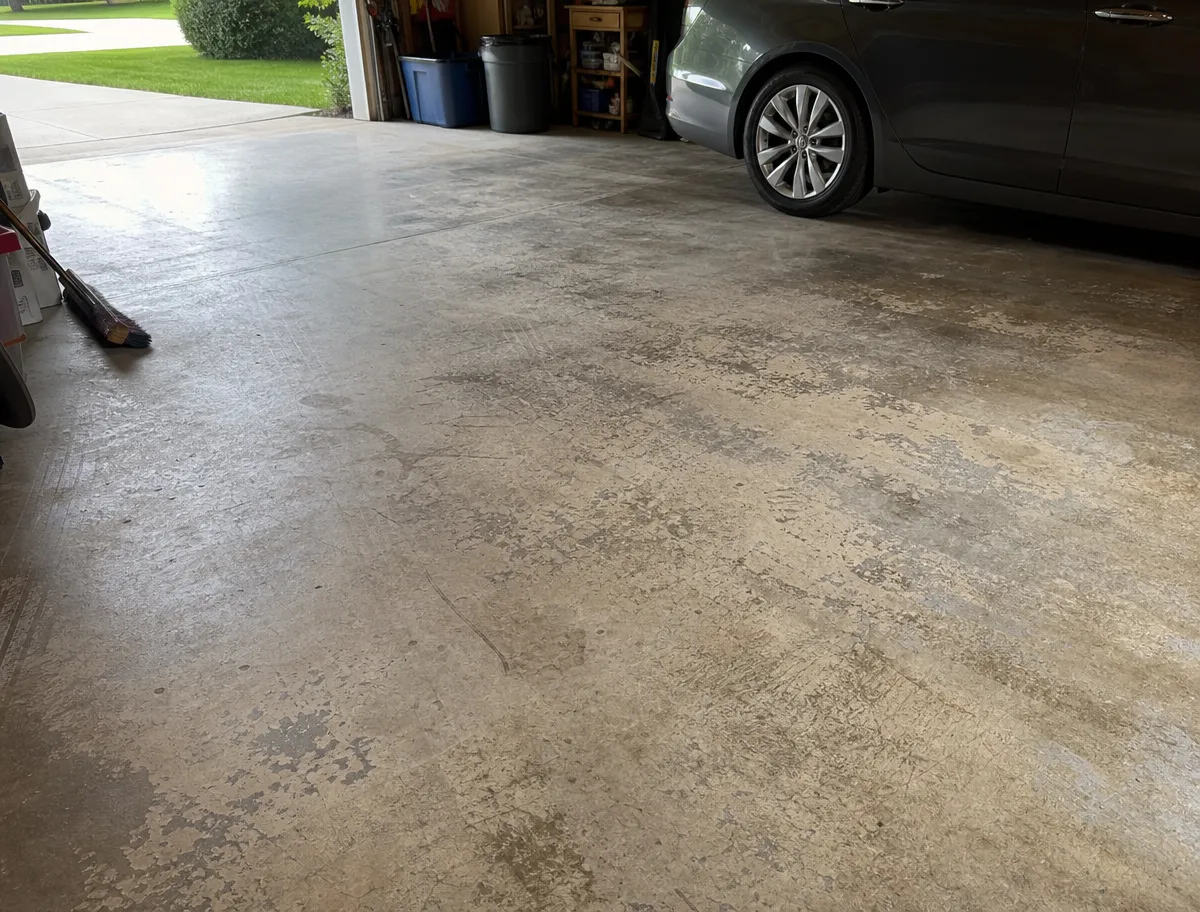
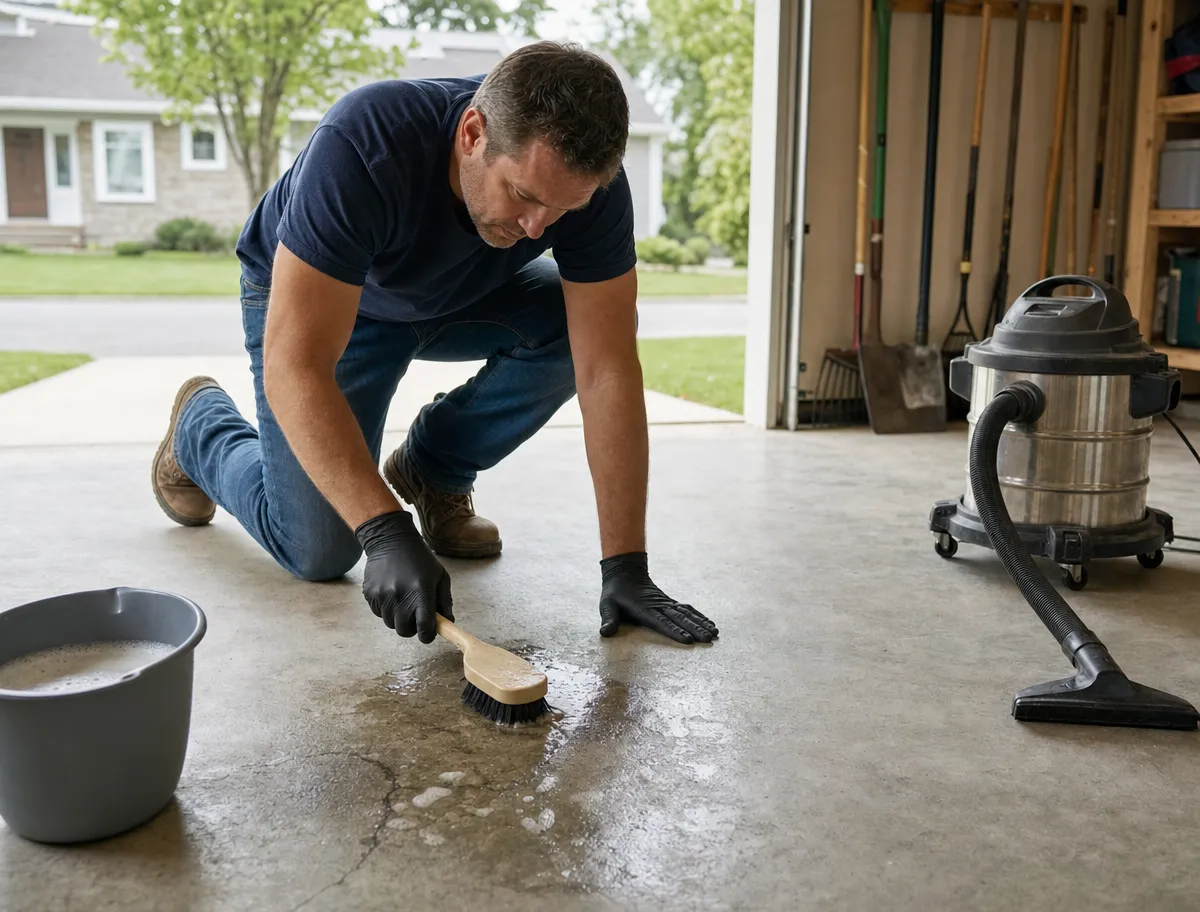
Applying a protective coating to a garage floor is an investment that improves durability and appearance. In Ohio, seasonal and temperature changes strongly influence adhesion and cure. This article summarizes recommended seasons and temperature ranges, climate impacts on scheduling, and the key preparations for garage floor coatings winter applications so readers can plan reliably for long-lasting results.
Key Takeaways
- Best windows: late spring and early fall for stable temperatures.
- Apply coatings between 50°F and 90°F with humidity under 85%.
- Polyurea and polyaspartic systems tolerate lower temperatures better than standard epoxies.
- Winter applications demand thorough cleaning, moisture testing, and crack repair.
- Epoxy is cost-effective but less forgiving in cold, damp conditions.
- Freeze-thaw cycles and humidity are major performance factors in Ohio.
- Follow manufacturer instructions and prepare the surface to avoid peeling.
- Always perform moisture testing before coating in winter.
What Are the Ideal Seasons and Temperature Ranges for Coating a Garage Floor in Ohio?
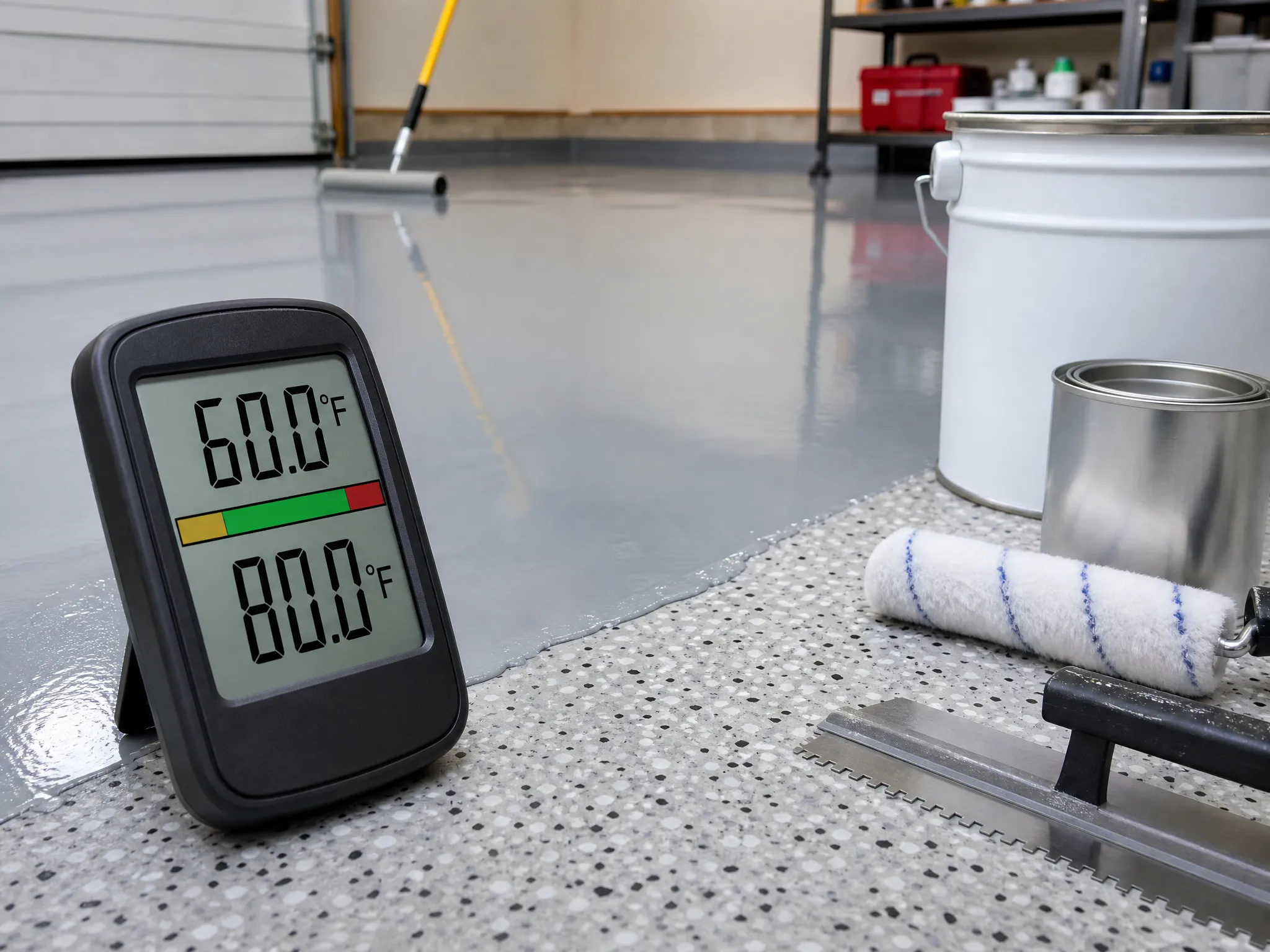
Late spring and early fall typically offer the most reliable ambient conditions in Ohio. Aim for 50°F–90°F during application and keep relative humidity below 85% to support adhesion and curing. Staying within these ranges reduces common defects and improves longevity.
Which Temperature Ranges Ensure Proper Concrete Floor Coating Curing in Ohio?
Curing and adhesion are reliable when application and early cure stay within 50°F–90°F and humidity is controlled. High humidity can cause bubbling or delamination by disrupting polymer cross-linking; low temperatures slow chemical cures and delay serviceability. Monitor conditions during application and initial cure.
How Do Ohio’s Seasonal Climate Variations Affect Garage Floor Coating Timing?
Ohio winters bring low temperatures and precipitation that complicate installations. Summers may produce high humidity and heat spikes that influence chemistry and adhesion. For cooler weather jobs, polyaspartic or polyurea formulations are preferred for their better low-temperature cure characteristics compared with standard epoxies.
How Does Ohio’s Winter Climate Impact Garage Floor Coating and What Preparations Are Required?
Freeze-thaw cycles and residual substrate moisture are primary winter risks. Before coating, perform moisture testing and ensure the slab is dry. Proper surface prep—degreasing, vacuuming, and repairing active defects—reduces the chance of adhesion failure.
What Are the Essential Steps for Winter Garage Floor Coating Preparation in Ohio?
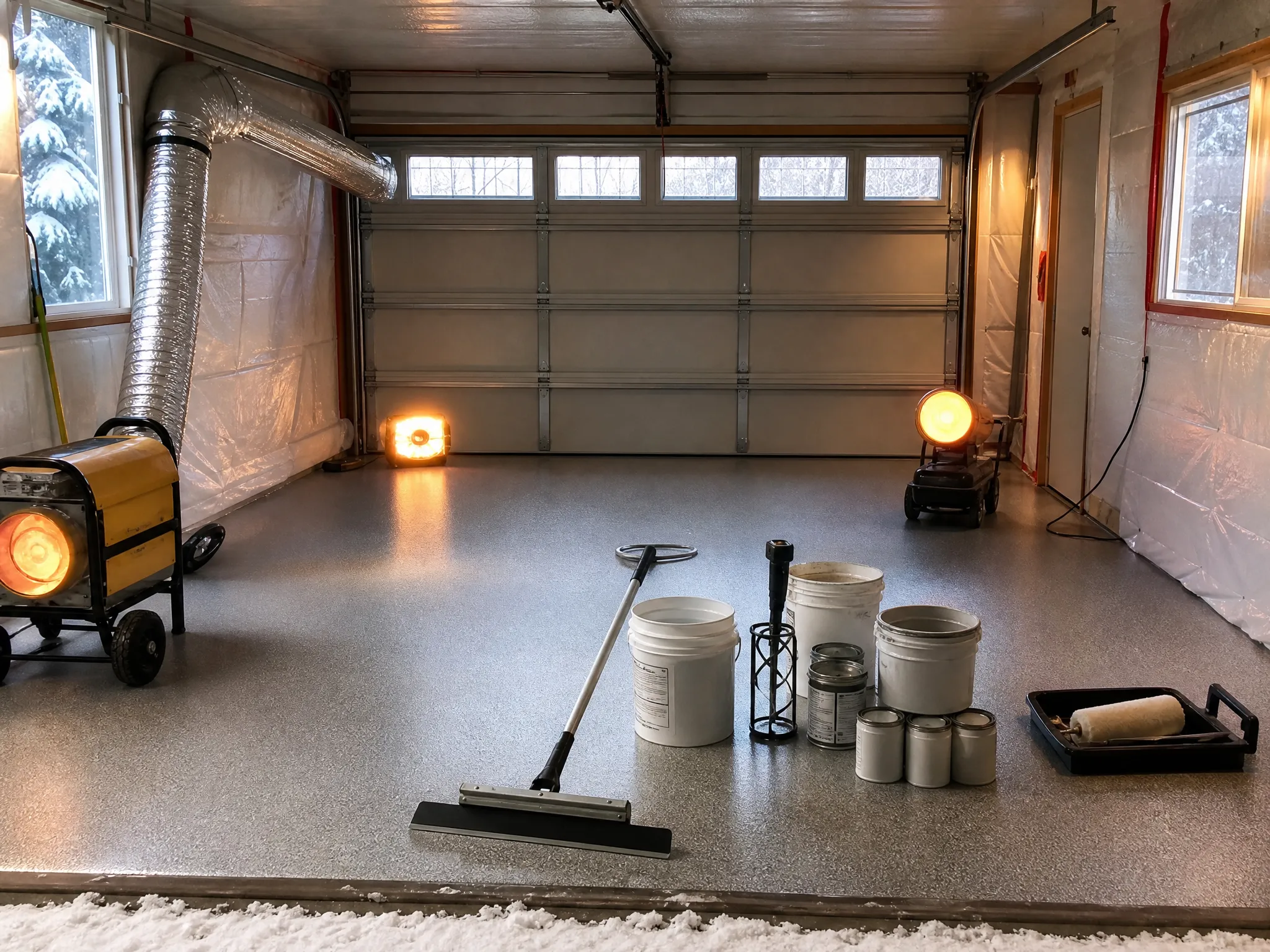
Preparation for winter coating should include these steps:
- Surface Cleaning: Remove dirt, oil, and contaminants thoroughly.
- Moisture Testing: Verify the slab meets moisture limits for the chosen product.
- Crack Repair: Fill and smooth cracks to create a sound substrate.
- Choose Appropriate Coatings: Use products rated for cold-weather installation, such as polyurea.
These actions increase the likelihood of proper adhesion and durable performance during cold months.
Can Garage Floor Epoxy or Polyurea Coatings Be Applied Effectively During Ohio Winters?
Polyurea systems generally handle cold and damp conditions better than conventional epoxies, which may not fully cure or may lose mechanical strength at low temperatures. Regardless of product, strictly follow surface prep and application protocols for acceptable results.
Which Garage Floor Coating Products Are Best Suited for Ohio’s Climate Conditions?
Because Ohio presents variable temperature and moisture challenges, polyurea and polyaspartic coatings are often recommended for their faster cure and improved moisture tolerance. Product choice affects long-term performance and maintenance needs.
| Product Type | Attribute | Value |
|---|---|---|
| Polyurea Coatings | Curing Time | Fast (1-2 hours) |
| Polyaspartic Coatings | Temperature Tolerance | Effective in low temperatures |
| Epoxy Coatings | Cost | Generally lower initial cost |
The table highlights typical trade-offs; choose a product that matches the site conditions and performance expectations.
What Are the Advantages of Epoxy Versus Polyurea Coatings for Ohio Garage Floors?
Epoxy garage floors offer a lower upfront cost and are suitable for many climates if conditions and preparation are controlled. Polyurea provides greater flexibility, impact resistance, and faster return-to-service, which can lower lifecycle maintenance in environments with temperature swings.
How Do Product Selection and Durability Considerations Influence Coating Performance in Ohio?
Prioritize materials with proven moisture resistance and mechanical strength to reduce peeling, cracking, and premature failure. Equally important are correct installation techniques and strict adherence to manufacturer specifications to realise the product’s intended durability.
What Are the Recommended Garage Floor Preparation Practices Specific to Ohio’s Environment?
Effective preparation increases the chance of a lasting installation. Key practices include:
- Surface Preparation: Remove contaminants and profile the concrete as required.
- Moisture Testing: Confirm the slab meets moisture limits for the coating.
- Proper Cleaning Methods: Use cleaners appropriate for the coating type to remove oil and stains.
Following these practices reduces the risk of adhesion problems and helps the coating resist Ohio’s environmental stressors. Whether working yourself or hiring professionals, understanding seasonal constraints and preparation protocols supports a durable, attractive finished floor.
Frequently Asked Questions
What is the best way to maintain a coated garage floor in Ohio?
Maintain with periodic cleaning using a mild detergent and water, inspect for damage, and avoid caustic or solvent cleaners. Repair defects promptly and follow manufacturer guidance for any protective sealants or recoats.
How long does it take for garage floor coatings to cure in Ohio?
Cure times depend on product and conditions. Polyurea often reaches initial cure in 1–2 hours; epoxies typically need longer, sometimes 24 hours or more before light use. Consult the product data sheet for exact schedules.
Can I coat my garage floor myself, or should I hire a professional?
DIY is possible for experienced homeowners with proper tools. For first-time projects or warranty-sensitive jobs, hire certified professionals to ensure correct prep and application.
What are the signs that my garage floor coating needs to be reapplied?
Look for peeling, cracking, severe discoloration, or loss of water repellency. Routine inspections let you address problems early and avoid larger repairs.
Are there any specific products recommended for cleaning coated garage floors?
Use pH-neutral cleaners formulated for the coating type. Avoid abrasive pads and strong alkaline solutions; test cleaners in a small area when unsure.
How can I prevent moisture issues when coating my garage floor in winter?
Perform moisture testing before application, remove ice and snow, and control interior humidity and temperature with heaters or dehumidifiers. Choose coatings rated for low-temperature installation when winter work is unavoidable.
Ready to Transform Your Garage Floor?
Timing your garage floor coating in Ohio to align with suitable seasons and temperatures improves adhesion and durability. Proper surface preparation and the right product selection are the primary determinants of long-term success. Whether DIY or professional, follow manufacturer instructions and best practices to achieve a durable, serviceable finish. For expert garage floor coating services tailored to Ohio’s climate, trust J&P Coatings. Get a personalized quote today and ensure a durable, beautiful finish that lasts through every season.