When it comes to choosing the right flooring solution, durability is a critical factor, especially in regions like Northeast Ohio where weather conditions can be harsh. This article delves into the differences between polyaspartic and epoxy floor coatings, highlighting why Duralast polyaspartic coatings are superior in terms of durability and performance. Learn about the key durability differences, the impact of NE Ohio’s climate, and the specific advantages of Duralast coatings. Understanding these factors can help homeowners and businesses make informed decisions about their flooring needs.
What Are the Key Durability Differences Between Polyaspartic and Epoxy Floor Coatings?
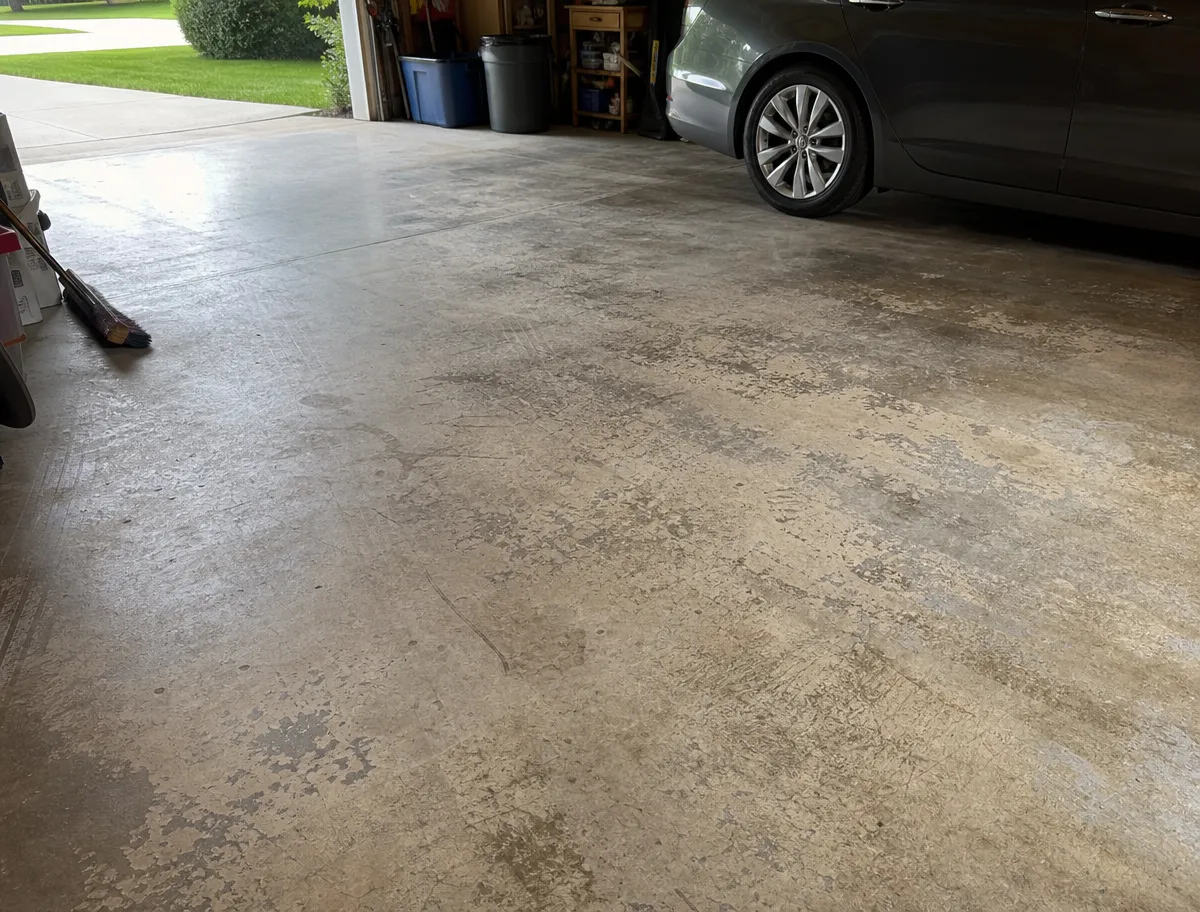
Polyaspartic and epoxy floor coatings differ significantly in their durability metrics, making them suitable for various applications. Polyaspartic coatings cure faster and offer superior resistance to abrasion and UV damage compared to standard epoxy coatings. This rapid curing time allows for quicker installation and less downtime, which is particularly beneficial for commercial settings. Additionally, polyaspartic coatings maintain their color and gloss over time, while epoxy may yellow or fade when exposed to sunlight.
Research further supports the advanced formulation of polyaspartic coatings, detailing how hybrid compositions enhance their inherent durability and overcome traditional limitations.
For those considering a durable flooring solution, Duralast polyaspartic coatings provide an excellent option. These coatings are specifically designed to withstand the challenges posed by the NE Ohio climate, ensuring long-lasting performance.
How Does Polyaspartic Coating Provide Superior Abrasion and UV Resistance?
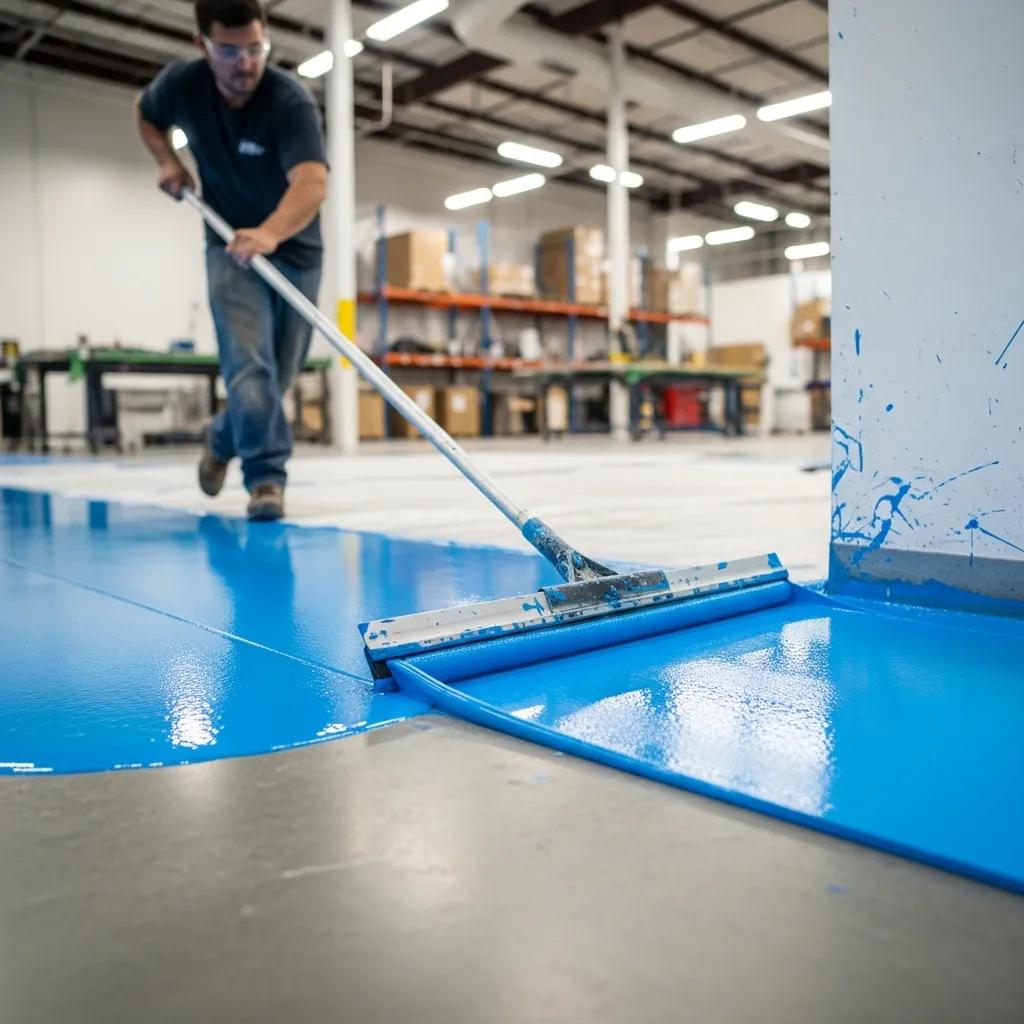
Polyaspartic coatings are formulated with advanced chemical compositions that enhance their durability. The unique blend of polyaspartic resins offers exceptional abrasion resistance, making them ideal for high-traffic areas. This means that floors coated with polyaspartic materials can withstand heavy foot traffic and equipment without showing signs of wear.
Moreover, polyaspartic coatings exhibit remarkable UV stability. Unlike standard epoxy coatings, which can degrade and discolor under prolonged sunlight exposure, polyaspartic coatings retain their aesthetic appeal. This characteristic is particularly important for outdoor applications or spaces with large windows.
What Are the Typical Lifespans of Epoxy vs. Polyaspartic Coatings in Northeast Ohio?
The lifespan of flooring coatings can vary significantly based on the material used and environmental conditions. Typically, epoxy coatings last around 5 to 10 years, depending on usage and maintenance. In contrast, polyaspartic coatings, such as those offered by Duralast, can last 10 to 20 years or more, making them a more cost-effective long-term solution.
Factors such as the quality of the installation, the type of traffic the floor endures, and the local climate all play a role in determining the longevity of these coatings. In NE Ohio, where temperature fluctuations and moisture can impact flooring materials, polyaspartic coatings provide a more resilient option.
How Does NE Ohio’s Climate Affect the Performance of Concrete Floor Coatings?
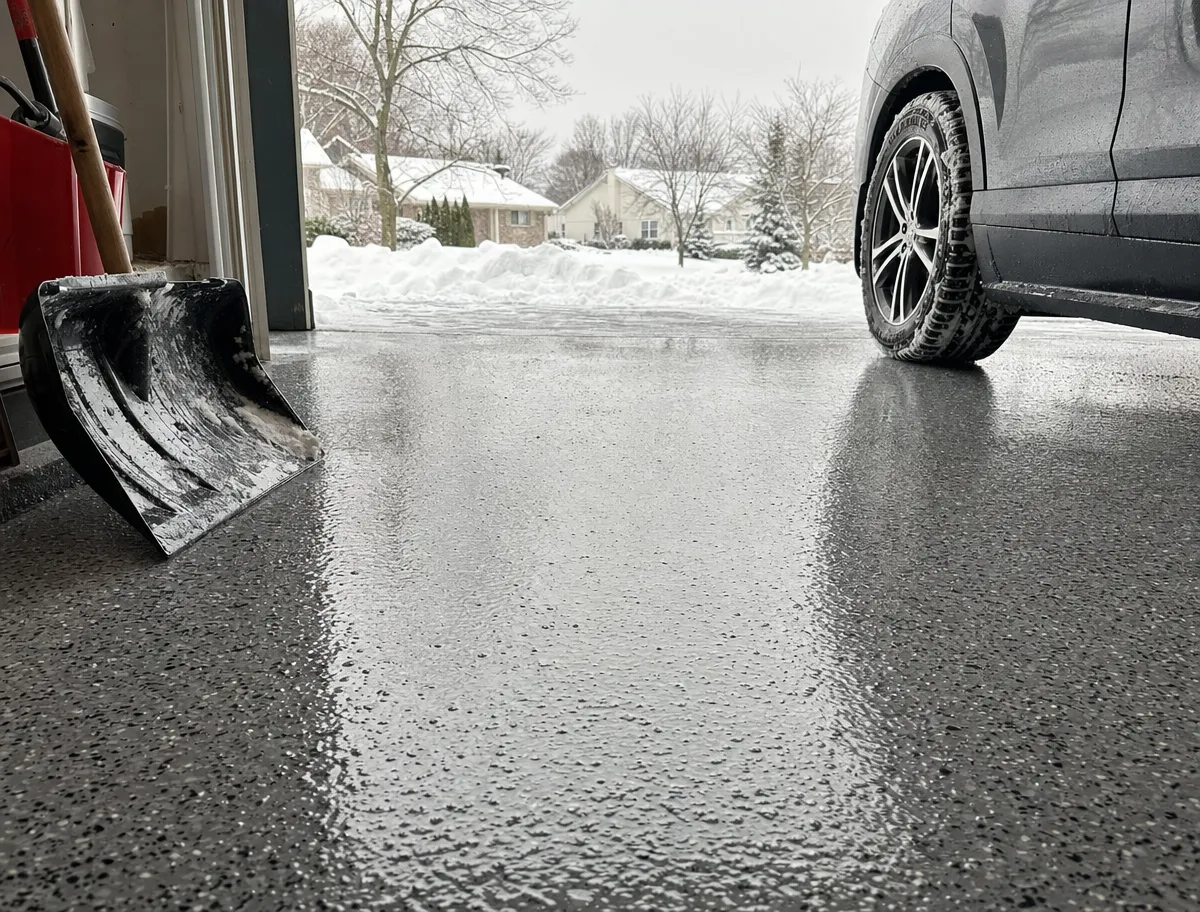
NE Ohio’s climate presents unique challenges for concrete floor coatings. The region experiences significant temperature variations, with cold winters and hot summers, which can lead to expansion and contraction of flooring materials. This thermal cycling can cause standard epoxy coatings to crack or peel over time.
Additionally, the high humidity and precipitation levels in NE Ohio can lead to moisture intrusion, which can compromise the integrity of epoxy coatings. Polyaspartic coatings, however, are designed to withstand these environmental stresses, providing a more durable solution that resists moisture and temperature-related damage.
In What Ways Does NE Ohio Weather Challenge Standard Epoxy Coatings?
Standard epoxy coatings face several challenges in NE Ohio’s weather conditions. Cold temperatures can make epoxy brittle, leading to cracking when subjected to heavy loads or impacts. Furthermore, road salt used during winter can accelerate the degradation of epoxy surfaces, causing them to break down more quickly.
Moisture is another significant concern, as it can seep beneath the epoxy layer, leading to delamination and failure. In contrast, polyaspartic coatings are more flexible and resistant to these environmental factors, making them a better choice for the region.
Why Is Duralast Polyaspartic Coating Better Suited for NE Ohio Environmental Conditions?
Duralast polyaspartic coatings are specifically engineered to excel in NE Ohio’s challenging environmental conditions. Their formulation allows them to tolerate thermal cycling without cracking, ensuring that the flooring remains intact even during extreme temperature changes. Additionally, Duralast coatings offer superior chemical resistance, making them less susceptible to damage from road salt and other harsh substances.
The UV stability of Duralast coatings also means that they will not fade or discolor over time, maintaining their appearance and functionality for years. This combination of durability and aesthetic appeal makes Duralast polyaspartic coatings an ideal choice for both residential and commercial applications in the region.
The superior performance of polyaspartic coatings, especially in challenging environments, is further underscored by industry observations regarding their effectiveness in cooler climates.
Polyaspartic vs. Epoxy: Performance in Cooler Climates
systems, the speed and finish quality often convert even the most skeptical epoxy users. in cooler climates. Hybrid systems combining an epoxy primer with a polyaspartic topcoat are
Fast-Curing Polyaspartic Floor Coatings Are Gaining Ground, 2026
What Are the Commercial and Residential Benefits of Choosing Duralast Polyaspartic Coatings?
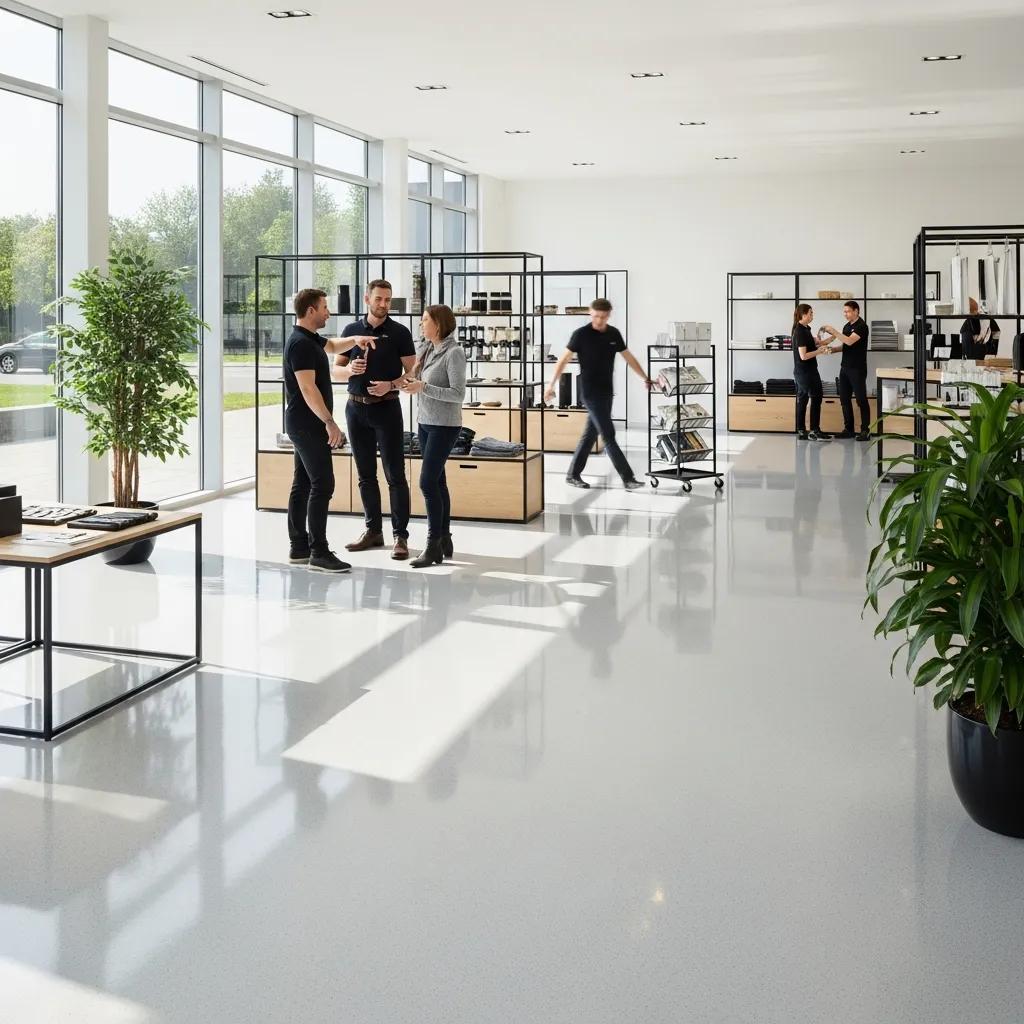
Choosing Duralast polyaspartic coatings comes with numerous benefits for both commercial and residential settings:
- Enhanced Durability: Duralast coatings provide long-lasting protection against wear and tear, making them suitable for high-traffic areas.
- Quick Installation: The rapid curing time allows for faster project completion, minimizing downtime for businesses.
- Aesthetic Appeal: Duralast coatings maintain their color and gloss, enhancing the overall look of the space.
These benefits make Duralast polyaspartic coatings a smart investment for anyone looking to improve their flooring solutions.
How Do Rapid Curing Times and UV Stability Enhance Commercial Floor Coating Solutions?
Rapid curing times are a significant advantage of polyaspartic coatings, particularly in commercial environments where downtime can lead to lost revenue. Duralast polyaspartic coatings can be applied and ready for use within a day, allowing businesses to resume operations quickly.
Additionally, the UV stability of these coatings ensures that they remain visually appealing over time, which is crucial for maintaining a professional appearance in commercial spaces. This combination of quick turnaround and lasting beauty makes Duralast an excellent choice for business owners.
What Maintenance Advantages Does Duralast Offer Over Traditional Epoxy Coatings?
Duralast polyaspartic coatings require less maintenance compared to traditional epoxy coatings. Their superior resistance to stains and chemicals means that spills can be cleaned up easily without leaving lasting marks. Furthermore, the durability of Duralast coatings reduces the frequency of repairs and replacements, saving both time and money in the long run.
Regular cleaning with mild detergents is typically all that is needed to keep Duralast-coated floors looking their best, making them a low-maintenance option for busy environments.
How Do Cost and Maintenance Compare Between Polyaspartic and Epoxy Floor Coatings?
When considering the cost and maintenance of polyaspartic versus epoxy coatings, it’s essential to look at both initial investment and long-term value. While polyaspartic coatings may have a higher upfront cost, their longevity and reduced maintenance needs often make them more cost-effective over time.
| Coating Type | Initial Cost | Lifespan | Maintenance Frequency | Long-Term Value |
|---|---|---|---|---|
| Epoxy | Moderate | 5-10 years | High | Moderate |
| Polyaspartic | Higher | 10-20 years | Low | High |
This comparison illustrates that while polyaspartic coatings may require a larger initial investment, their durability and lower maintenance needs provide significant long-term savings.
What Are the Initial and Long-Term Cost Considerations for Each Coating Type?
When evaluating the costs associated with epoxy and polyaspartic coatings, several factors come into play. Initial costs for epoxy coatings are generally lower, but the need for frequent maintenance and potential repairs can add up over time. In contrast, polyaspartic coatings, while more expensive upfront, offer a longer lifespan and reduced maintenance costs, making them a more economical choice in the long run.
Investing in Duralast polyaspartic coatings can lead to significant savings, especially for commercial properties where downtime and maintenance can impact profitability.
How Does Maintenance Frequency Impact Overall Durability and Value?
The frequency of maintenance directly affects the overall durability and value of flooring coatings. Epoxy coatings often require more frequent upkeep, including reapplication and repairs, which can lead to increased costs over time. In contrast, Duralast polyaspartic coatings are designed to withstand the rigors of daily use with minimal maintenance, allowing property owners to focus on other priorities.
By choosing a flooring solution that requires less maintenance, property owners can enhance the value of their investment and ensure that their floors remain in excellent condition for years to come.
Frequently Asked Questions
1. What factors should I consider when choosing between polyaspartic and epoxy coatings?
When selecting between polyaspartic and epoxy coatings, consider factors such as the intended use of the space, traffic levels, environmental conditions, and budget. Polyaspartic coatings are ideal for high-traffic areas due to their superior durability and quick curing times. Additionally, assess the climate in your region, as polyaspartic coatings perform better in extreme temperatures and humidity. Finally, evaluate the long-term maintenance costs, as polyaspartic coatings typically require less upkeep compared to epoxy options.
2. Can polyaspartic coatings be applied over existing epoxy floors?
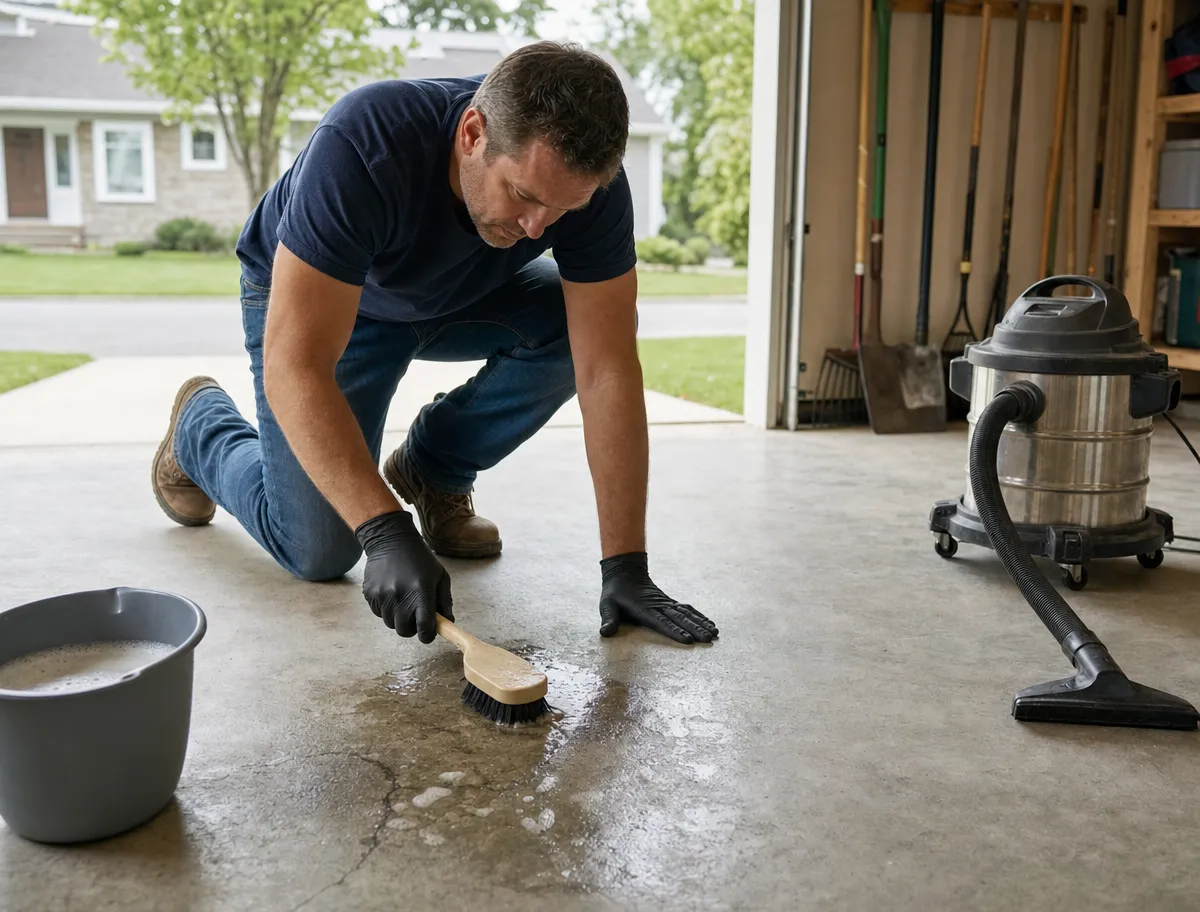
Yes, polyaspartic coatings can be applied over existing epoxy floors, provided that the surface is properly prepared. This involves cleaning the epoxy surface thoroughly to remove any contaminants and ensuring it is free of moisture. Additionally, any damaged areas should be repaired before application. Proper preparation helps ensure good adhesion and maximizes the performance of the polyaspartic coating, allowing you to benefit from its enhanced durability and aesthetic appeal.
3. Are there specific applications where polyaspartic coatings are preferred over epoxy?
Polyaspartic coatings are often preferred in applications where rapid installation and high durability are critical. They are ideal for commercial settings, such as warehouses, retail spaces, and automotive shops, where downtime must be minimized. Additionally, polyaspartic coatings are suitable for outdoor applications due to their UV stability and resistance to weathering. In residential settings, they are excellent for garages and basements, where moisture resistance is essential.
4. How do temperature fluctuations affect the application of polyaspartic coatings?
Temperature fluctuations can significantly impact the application of polyaspartic coatings. These coatings are designed to cure quickly, but extreme temperatures can affect their performance. Ideally, they should be applied in temperatures between 50°F and 90°F for optimal results. If applied in very cold conditions, the curing process may slow down, while excessive heat can lead to rapid curing, making application challenging. Always check the manufacturer’s guidelines for temperature recommendations before application.
5. What are the environmental impacts of using polyaspartic coatings compared to epoxy?
Polyaspartic coatings generally have a lower environmental impact compared to traditional epoxy coatings. They often contain fewer volatile organic compounds (VOCs), which contribute to air pollution and health issues. Additionally, their durability means that they need to be replaced less frequently, reducing waste. When considering environmental factors, it’s essential to choose products that comply with local regulations and standards for sustainability, ensuring a responsible choice for your flooring needs.
6. How do polyaspartic coatings perform in terms of slip resistance?
Polyaspartic coatings can be formulated to enhance slip resistance, making them suitable for various environments, including commercial and residential spaces. The texture and additives used in the coating can be adjusted to achieve the desired level of slip resistance, which is particularly important in areas prone to moisture, such as kitchens, bathrooms, and outdoor patios. Always consult with your flooring contractor to ensure the right formulation is used for your specific application needs.
7. What is the best way to maintain polyaspartic-coated floors?
Maintaining polyaspartic-coated floors is relatively simple and requires minimal effort. Regular cleaning with a mild detergent and water is usually sufficient to keep the surface looking its best. Avoid using harsh chemicals or abrasive cleaners, as these can damage the coating. Additionally, promptly clean up spills to prevent staining. For high-traffic areas, consider periodic professional cleaning to maintain the floor’s appearance and longevity, ensuring it remains in excellent condition for years to come.
Partner with J&P Coatings for Polyaspartic Coatings in NE Ohio
Choosing Duralast polyaspartic coatings ensures exceptional durability and performance, particularly suited for the challenging climate of Northeast Ohio. These coatings not only resist abrasion and UV damage but also offer a longer lifespan compared to traditional epoxy options, making them a wise investment. By understanding the advantages of polyaspartic coatings, you can make informed decisions that enhance the longevity and aesthetic appeal of your flooring. Discover our range of Duralast polyaspartic solutions today to elevate your space.