Quick Answer: Yes, basement floor coatings can effectively reduce moisture infiltration in Ohio homes when properly selected and installed. Given Ohio’s humid continental climate with significant seasonal rainfall and groundwater fluctuations, especially in regions like Columbus, Cleveland, and Cincinnati, these coatings create a durable barrier that helps protect basements from dampness, mold, and structural damage common to the area.
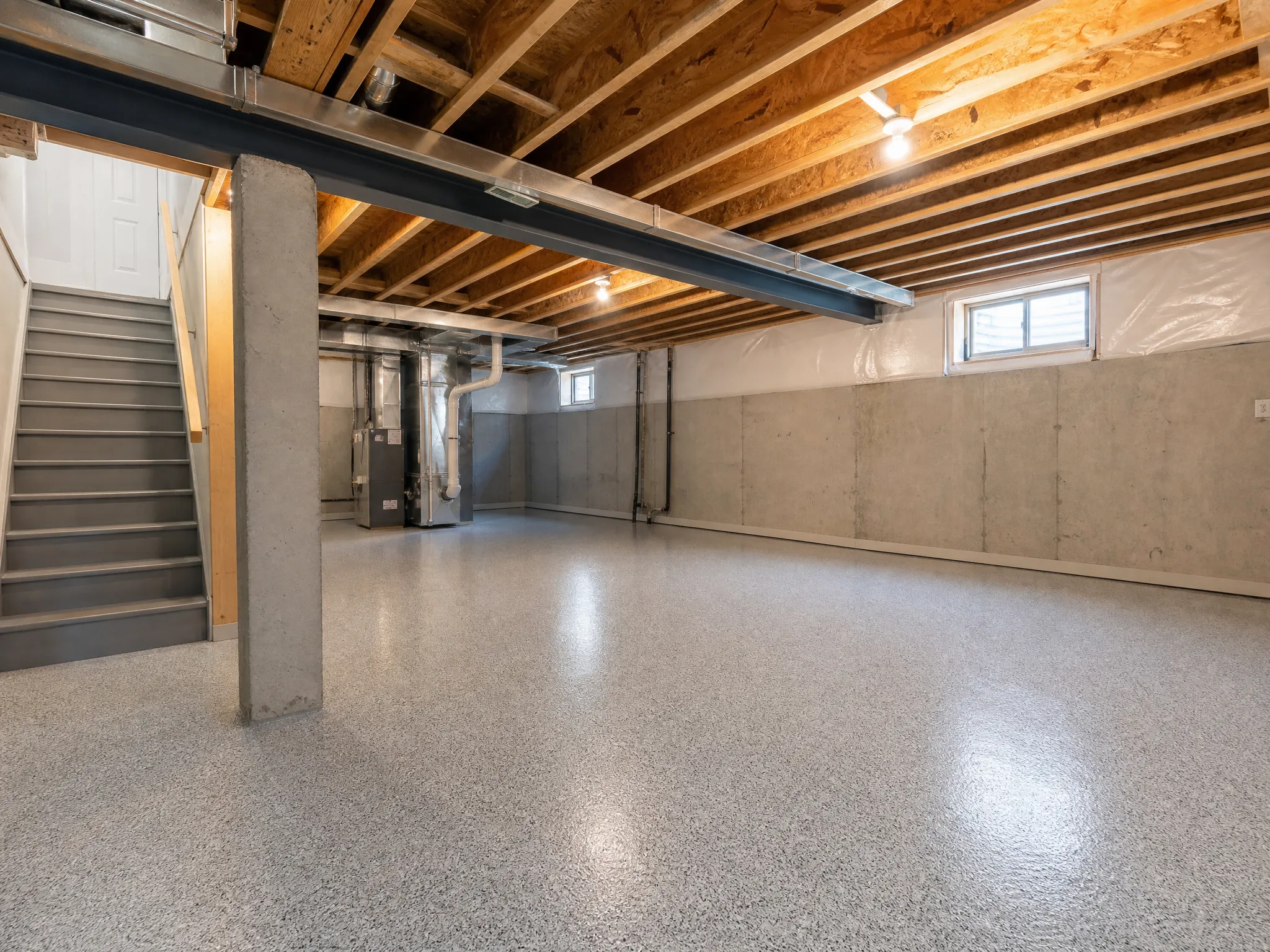
Basement moisture is a frequent concern for Ohio homeowners, causing structural deterioration and health problems when unchecked. This article evaluates how basement floor coatings limit moisture ingress, compares common coating types, and summarizes benefits and installation considerations tailored to Ohio basements. It combines scientific findings, expert guidance, and practical steps to help homeowners make informed decisions.
Key Takeaways
- Basement floor coatings form a moisture-resistant layer that reduces water infiltration in Ohio homes.
- Epoxy coatings deliver high durability and excellent moisture resistance for high-traffic basement areas.
- Polyaspartic coatings cure quickly and offer flexibility suited to variable humidity.
- Vapor barrier systems stop moisture vapor from penetrating concrete and are commonly paired with surface coatings.
- Research shows coatings reduce moisture vapour transmission through concrete.
- Correct surface preparation and periodic maintenance are essential for long-term performance.
- Consider local drivers—ambient humidity, groundwater level, and entry points—when selecting a coating.
- Coatings help limit mold, structural harm, and odors caused by moisture.
Comprehensive Guide for Ohio Homeowners on Basement Floor Coatings and Moisture Prevention
Moisture in basements encourages mold, damages building components, and creates odors. As our floor neglect cost study shows, ignoring these signs leads to expensive repairs. Floor coatings act as a barrier that reduces water penetration and extends floor life. The guide below outlines common coating systems and their suitability for Ohio’s climate and common basement conditions.
Ohio Basements and Local Climate Challenges
Ohio basements face moisture challenges from humidity swings and seasonal groundwater variation. Dampness, mold, and mildew are common problems that can be mitigated by selecting coatings suited to the site. This article reviews coating categories, performance traits, and their role in maintaining dry, code-compliant spaces.
Types of Basement Floor Coatings
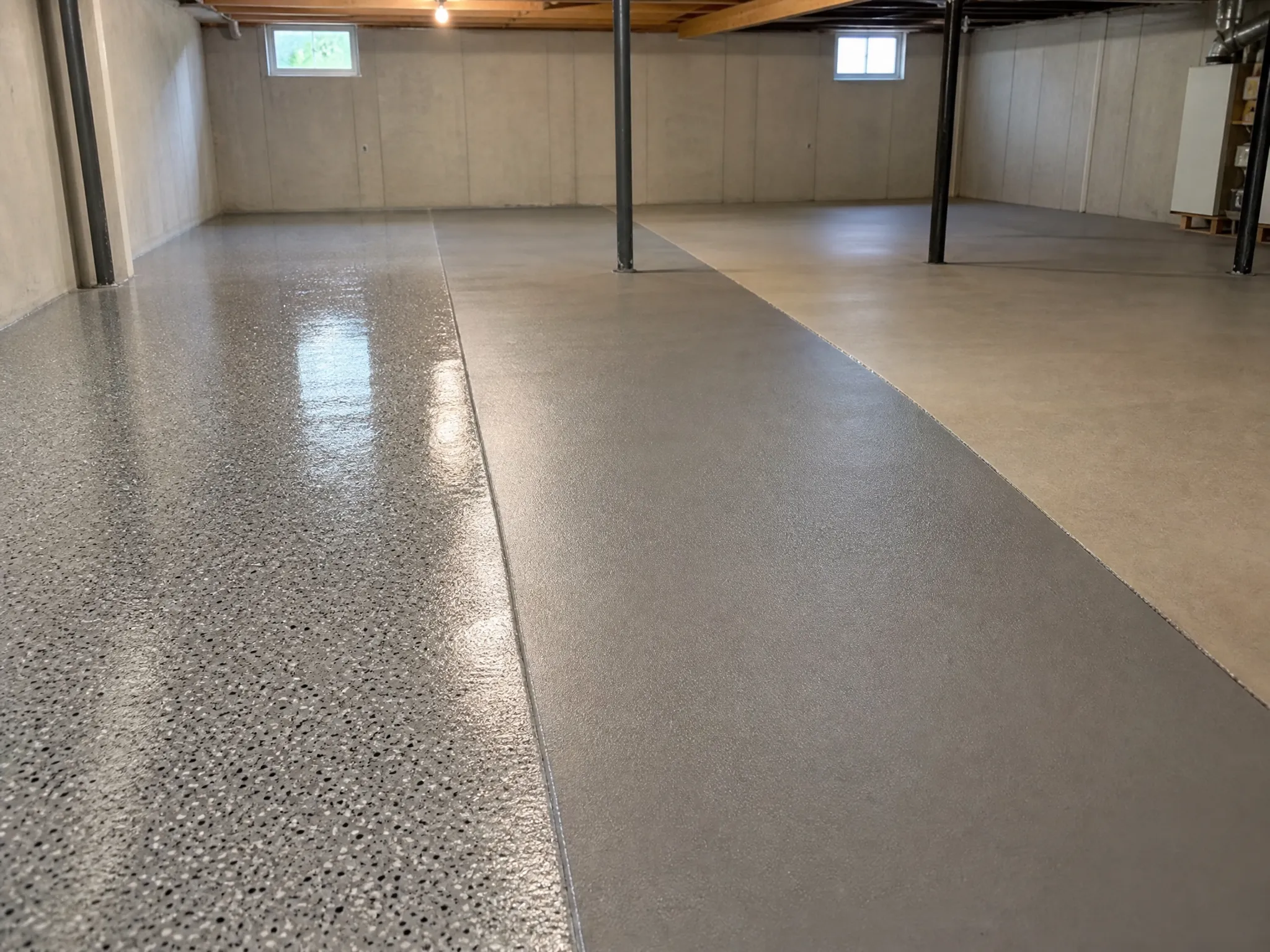
Different coating classes limit moisture transmission in distinct ways. Understanding each type helps homeowners match product properties to basement conditions.
- Epoxy Coatings: Durable and moisture-resistant, epoxy forms an impermeable layer that prevents water from seeping through concrete. Well-maintained epoxy floors last many years.
- Polyaspartic Coatings: Fast-curing and flexible, polyaspartic offers a strong moisture barrier and good UV stability, useful where quick turnaround or broader temperature windows are needed.
- Vapor Barrier Systems: Installed to stop moisture vapor movement through the slab, these are frequently used beneath surface coatings for added protection.
| Coating Type | Durability | Moisture Resistance | Ideal Use |
|---|---|---|---|
| Epoxy | High | Excellent | High-traffic areas |
| Polyaspartic | Moderate | Very Good | Varying humidity |
| Vapor Barrier | High | Excellent | Under coatings |
Choose based on the basement’s specific moisture profile, slab condition, and intended use. Consult material properties and installation requirements. We offer site-specific coating solutions.
Epoxy Coatings
Our basement epoxy coating is specified widely for basement floors because the two-component system bonds strongly to prepared concrete, forming a continuous, impermeable membrane that limits water vapour migration. Epoxy is easy to clean and performs well when installed correctly.
Polyaspartic Coatings
Our polyaspartic floor coatings cure quickly and remain flexible across a wider temperature range than some alternatives. They provide robust moisture resistance and UV stability, making them a practical choice for homeowners needing faster installations and long-term appearance retention. For product details, consult our team.
Scientific Evidence of Effectiveness
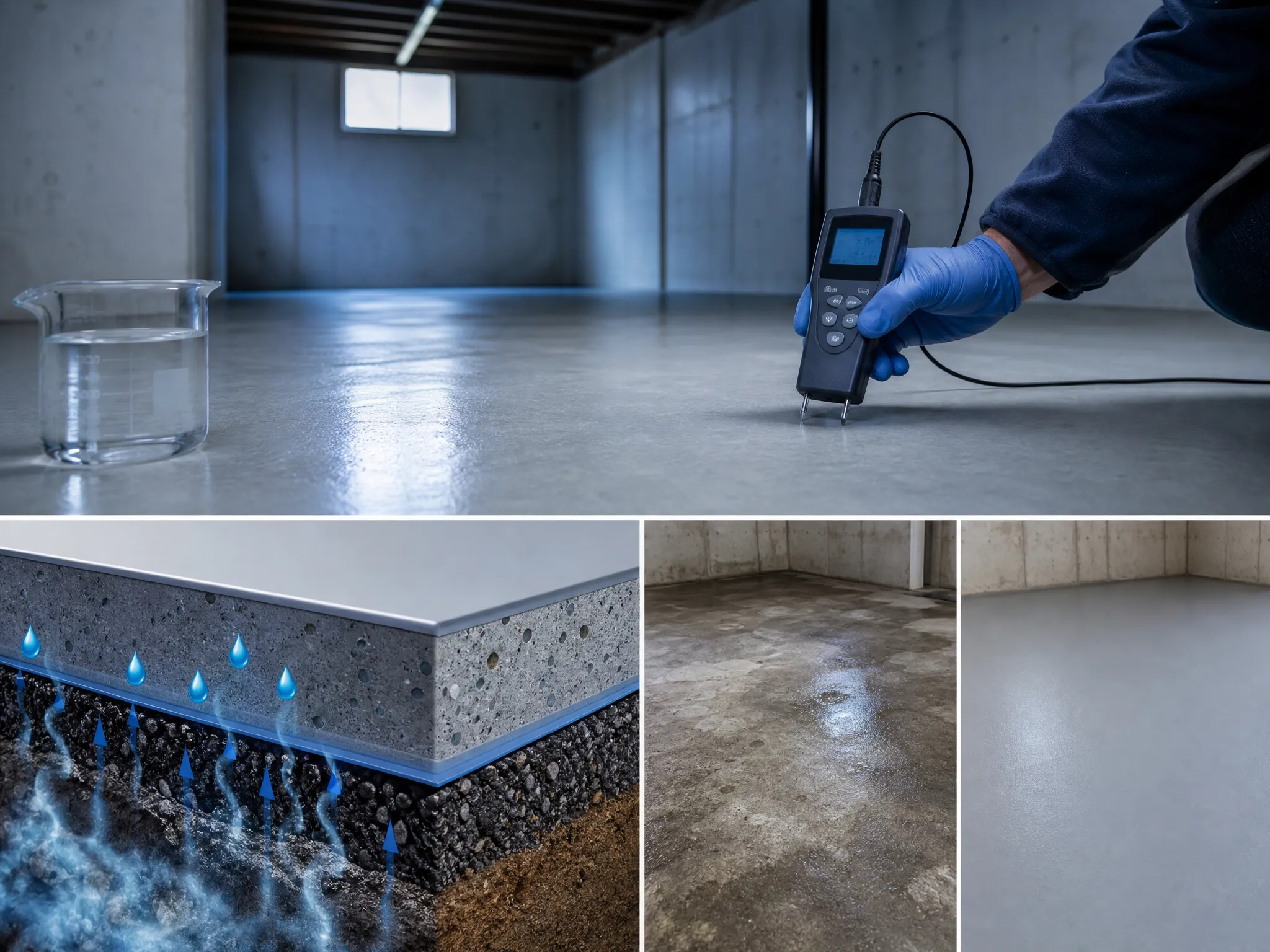
Published studies indicate that surface coatings such as epoxy and polyaspartic reduce moisture vapour transmission through concrete. Research by the HUD Office of Policy Development and Research on building moisture and durability confirms that interior barrier systems, when paired with proper site drainage, meaningfully reduce bulk water intrusion into below-grade spaces. These systems create a physical barrier that limits vapour migration and helps protect concrete from moisture-related damage.
Practical Applications
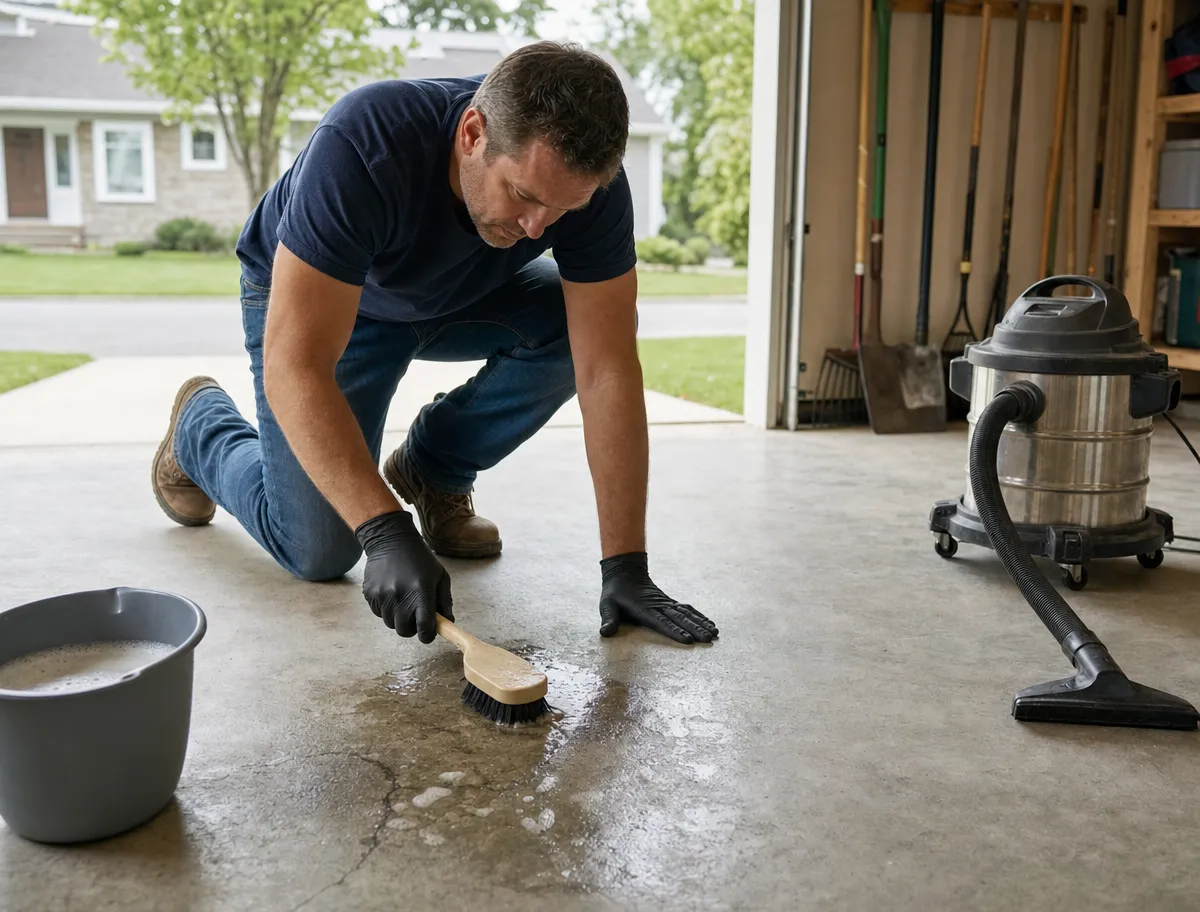
Surface preparation is essential: concrete must be clean, dry, and free of contaminants. Our residential floor coating team ensures proper prep every time. Follow manufacturer mixing and application instructions carefully to achieve expected performance. Routine cleaning and inspections, with reapplication as recommended, will prolong service life. For homeowners who want real protection, basement floor coatings that seal the slab are the dependable option.
Expert Opinions
Professionals recommend evaluating site-specific moisture drivers—ambient humidity, groundwater elevation, and entry paths—before choosing a system. Regular inspections and maintenance preserve barrier integrity and reduce the risk of failure. A peer-reviewed study on moisture control strategies in habitable basements (Building and Environment Journal) found that site grading, roof runoff management, and exterior drainage are the primary pillars of below-grade dryness.
In summary, basement floor coatings can reduce moisture infiltration and are a practical component of moisture control in Ohio homes. Knowing coating categories and performance characteristics helps homeowners choose evidence-based solutions. For local evaluations and recommendations, we provide free estimates and onsite assessments for Ohio basements.
Frequently Asked Questions
How do I know if my basement needs a floor coating?
Persistent dampness, visible mold, odors, or water stains suggest a coating should be part of a remediation plan. Recurrent flooding indicates a broader moisture-control system is needed. A quantitative moisture test clarifies vapour levels and guides product choice.
Can I apply basement floor coatings myself, or should I hire a professional?
Some competent homeowners can install certain coatings, but professional installation is recommended to ensure proper surface preparation and compliance with manufacturer specifications. Certified applicators reduce application errors that can undermine the moisture barrier.
How long do basement floor coatings typically last?
Service life depends on product and conditions. Epoxy systems often last ten years or more with maintenance; polyaspartic systems commonly provide five-to-ten-year intervals. Traffic, environment, and installation quality significantly affect longevity.
Are there any health risks associated with basement moisture?
Moisture encourages mold growth, which can cause allergic and respiratory reactions in sensitive individuals. Prolonged dampness can also accelerate structural damage. Prompt mitigation lowers health and safety risks.
What maintenance is required for basement floor coatings?
Perform routine cleaning and periodic inspections for cracking, delamination, or wear. Remove contaminants that can abrade or chemically attack the coating, and reapply per manufacturer guidance to maintain moisture protection.
Can basement floor coatings be applied over existing flooring?
For best adhesion, coatings should be applied to prepared, bare concrete. Most floor coverings (tile, carpet) must be removed to allow proper surface preparation and bonding. Consult a professional about preparatory measures.
What should I consider when choosing a basement floor coating?
Select a coating based on the severity and source of moisture, local Ohio climate conditions, and the space’s intended use. Compare durability, moisture resistance, cure time, and maintenance needs; professional consultation yields site-specific recommendations.
Conclusion
Floor coatings provide an effective barrier against moisture ingress, protecting property and occupant health when selected and installed appropriately. Review product options and maintenance requirements, and contact us for tailored guidance and a complimentary estimate.
Get High Quality Ohio Basement Floor Coating with J&P Coatings Today
Don’t let moisture compromise your home’s foundation or indoor air quality. Trust us at J&P Coatings to deliver expert basement floor coating solutions tailored to Ohio’s unique climate challenges. Contact us now for a free consultation and estimate—secure your basement’s dryness and durability with our professional services.