Quick Answer: Cleaning a polyaspartic floor is a two-step routine: dust mop or sweep high-traffic areas daily to clear grit, then damp mop every one to two weeks with a mild, pH-neutral cleaner and warm water. The sealed, non-porous coating keeps dirt, oil, and salt sitting on top instead of soaking in, so spills wipe away easily and no harsh chemicals, abrasive pads, or pressure washing are needed. A soft-bristle broom, a mop bucket, and a dry towel or squeegee are the only supplies most homeowners will need.
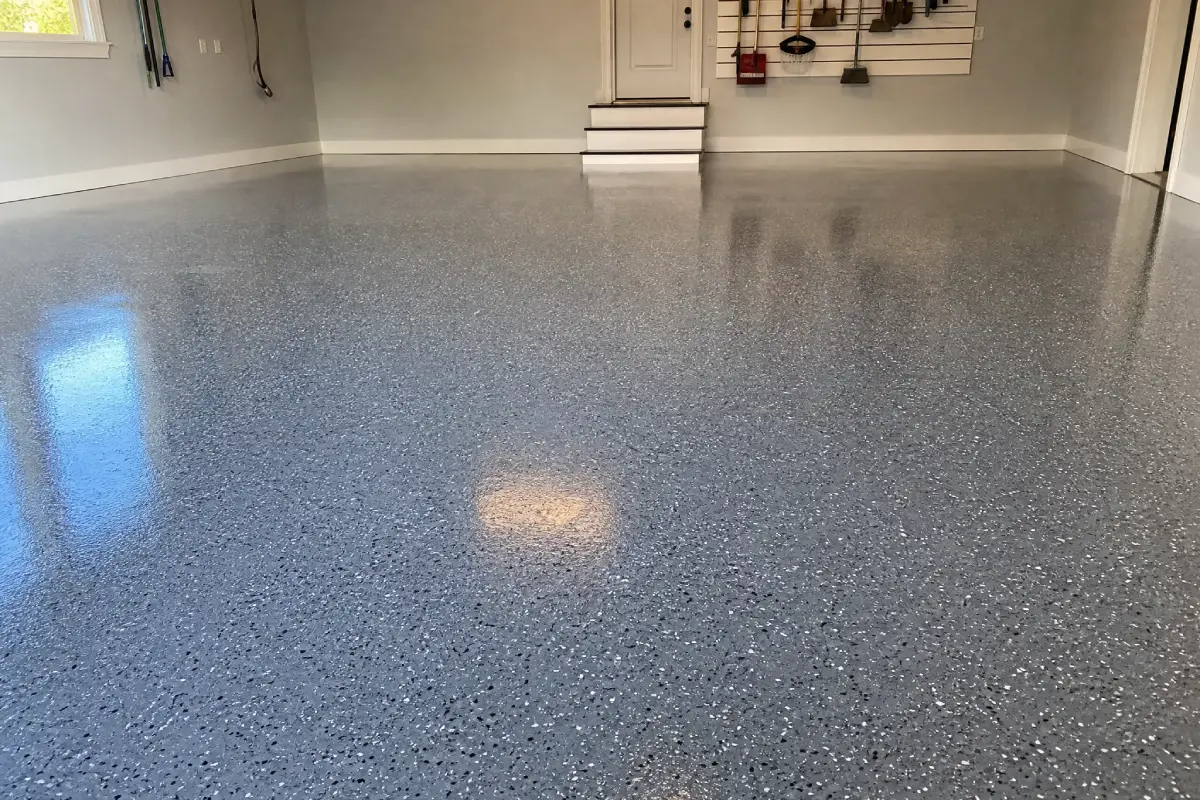
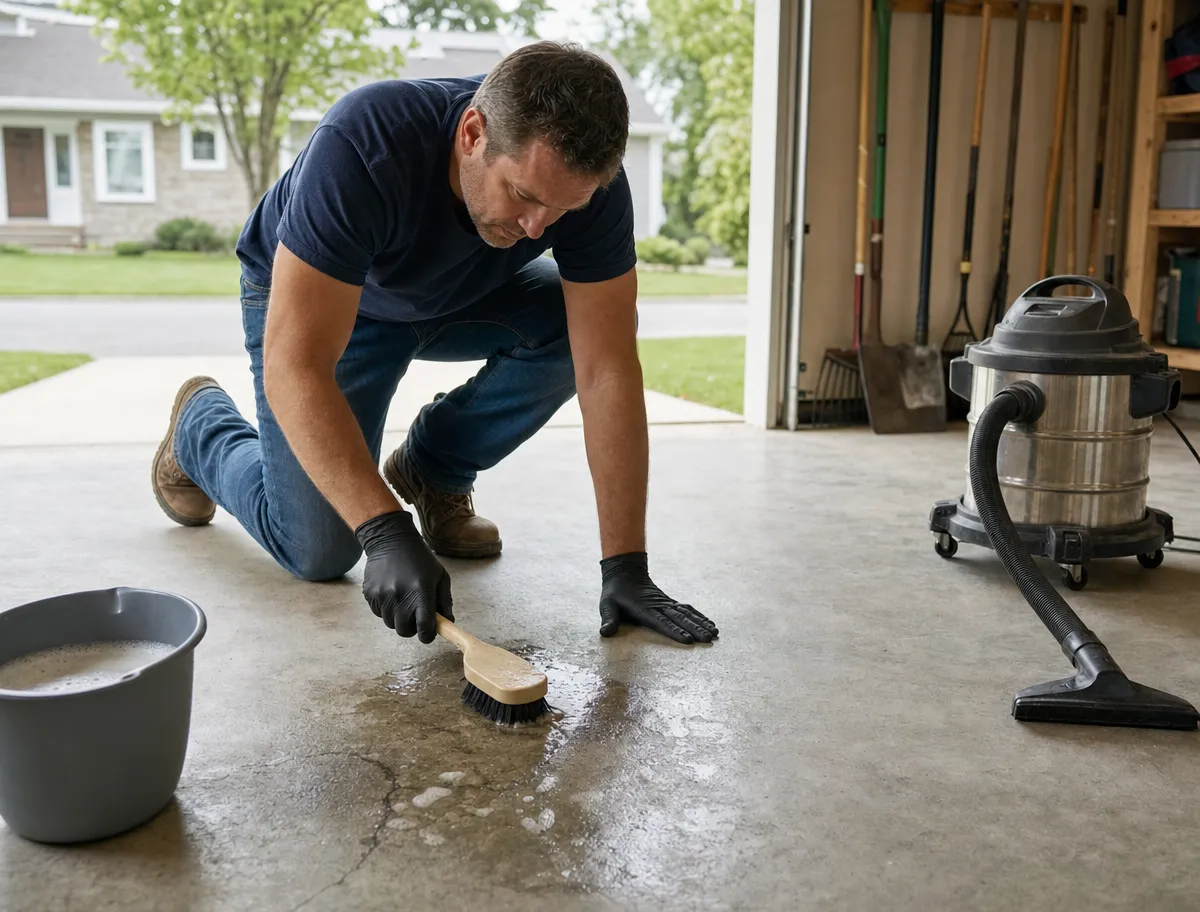
Polyaspartic floors like Duralast® require minimal upkeep due to their sealed, non-porous surface. Routine care involves dust mopping to remove grit, followed by damp mopping with a pH-neutral cleaner and warm water — a method consistent with EPA guidance for damp-wiping hard surface floors in moisture-prone areas. Harsh chemicals, abrasive pads, and standing liquids should be avoided. Spills wipe away easily since nothing absorbs into the coating.
What Are the Key Takeaways for Polyaspartic Floor Care?
- Polyaspartic floor coatings last up to twenty years with proper cleaning and maintenance routines.
- The 1-day application system creates a non-porous, sealed surface that resists dirt and grime.
- Polyaspartic coatings offer 5 times the durability of traditional epoxy flooring options.
- J&P Coatings backs every polyaspartic floor installation with a limited transferable warranty.
What Do You Need Before Cleaning?
Minimal supplies suffice before starting a cleaning routine. How to clean polyaspartic floor surfaces starts with a short prerequisite checklist. These coatings seal concrete so dirt, grime, and oil sit on top of the surface rather than soaking in. That sealed design means the necessary tools stay basic and inexpensive.
Gather these items before beginning:
- Soft-bristle broom or microfiber dust mop for daily sweeping
- Mop bucket with warm water
- Mild, non-abrasive cleaner (no harsh chemicals or expensive equipment required)
- Clean, dry towel or squeegee for drying the surface
Duralast Polyaspartic Coating, installed by J&P Coatings, resists salt and oil, which lowers staining risk during cleanup and makes mild cleaners effective. These systems are built to handle road salt, dropped wrenches, and daily garage wear, so aggressive solvents are unnecessary and can be skipped entirely. For any heavier spill that does sit for a while, university extension guidance on removing oil stains from concrete offers extra pointers.
Does polyaspartic flooring require special cleaning products?
No specialized chemicals are needed for routine care. A soft-bristle broom or microfiber mop handles daily debris, while a mild cleaner mixed with warm water manages spills. Harsh degreasers or abrasive pads risk dulling the finish and should stay off the supply list.
How Do You Clean Polyaspartic Floor Coating Step by Step?
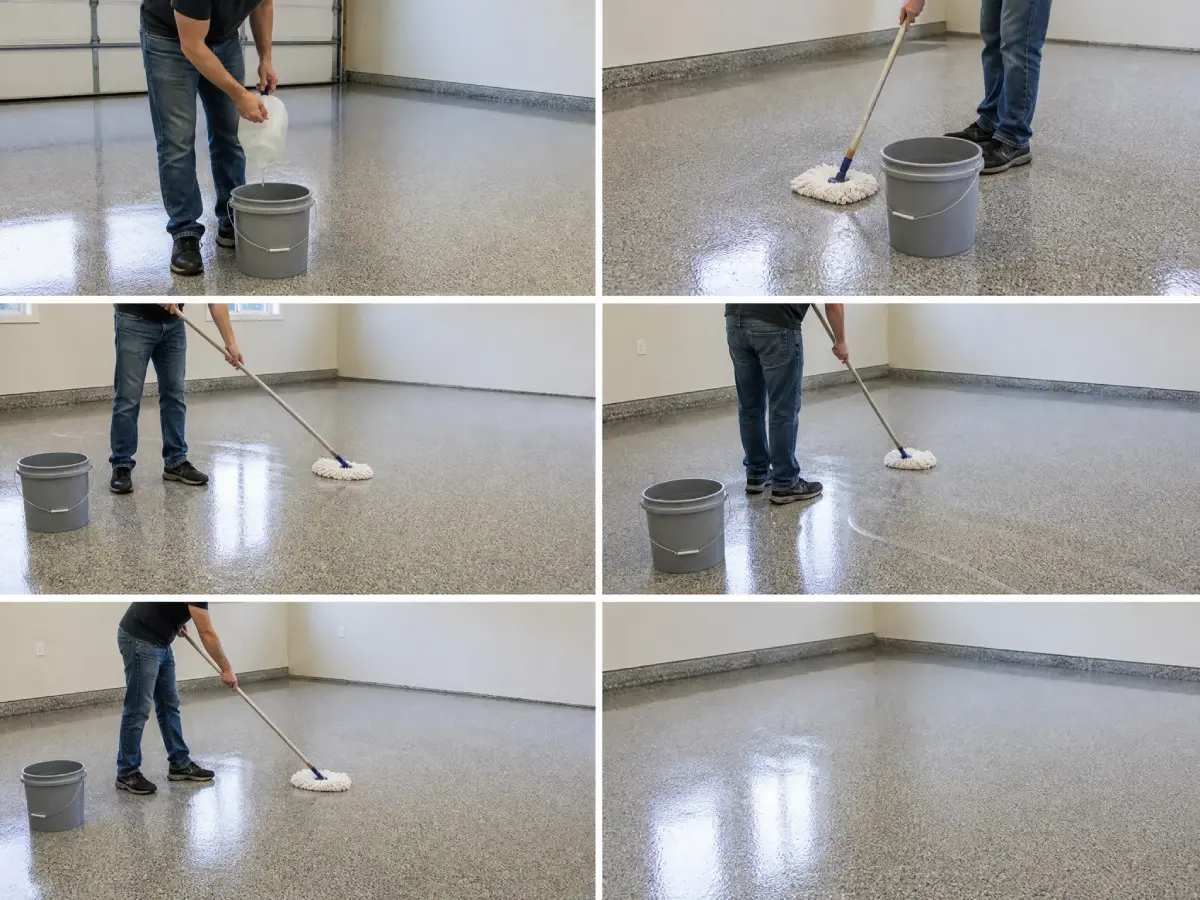
A consistent daily-and-weekly routine answers the question of how to clean polyaspartic floor surfaces without damaging the finish. Skipping the routine allows grit to grind against the coating and dulls the shine over time. The steps below follow a strict order for garage, shop, or basement floors.
- Sweep high-traffic zones daily. Use a soft-bristle broom or microfiber dust mop to clear loose grit before it scratches the surface.
- Scrub the full floor every one to two weeks. After sweeping, scrub to prevent buildup from settling into corners and seams.
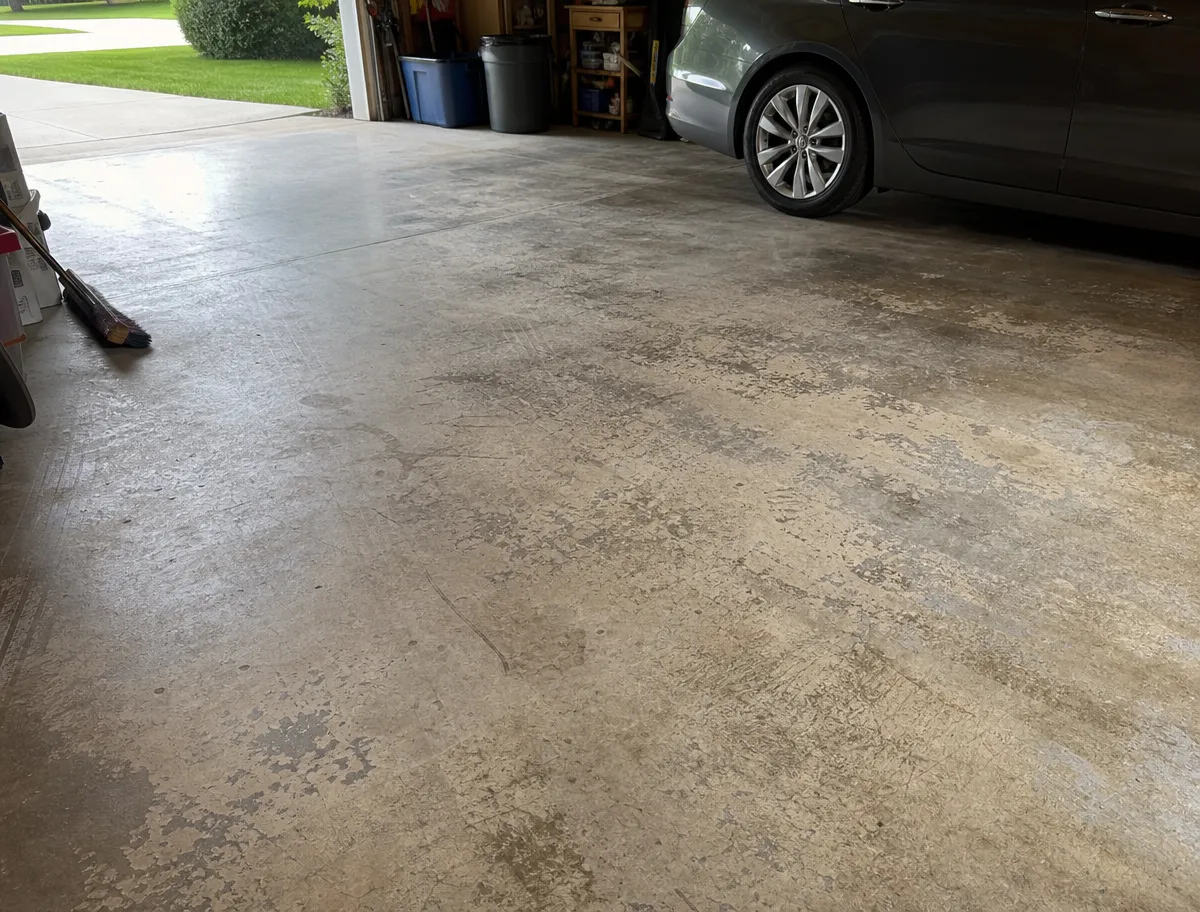
- Lift debris rather than scrub it in. Polyaspartic coating forms a non-slip, non-absorptive surface, so dirt and oil sit on top instead of soaking into the concrete.
- Deep clean without hesitation. Because Duralast® coating resists chipping and peeling, scrubbing and rinsing carry none of the finish-lifting risk associated with epoxy floors.
- Resume normal use immediately. J&P Coatings’ one-day installation means cleaning habits can start almost as soon as the crew leaves.
Can new floors be cleaned right after installation?
Yes. Since the coating cures and returns to service within a single day, sweeping and light scrubbing can begin almost immediately. Waiting weeks isn’t necessary the way it often is with slower-curing systems.
Does polyaspartic coating need special cleaning products?
No specialty chemicals are required for routine care. The sealed, non-porous surface responds well to a broom, mop, and scrub brush on a weekly schedule. Because the coating won’t chip or peel, homeowners and shop owners can clean thoroughly without worrying about stripping the finish.
📞 Ready to Get Started? A low-maintenance floor starts with the right coating. Contact J&P Coatings today for a fast, free quote on polyaspartic floor installation.
What Cleaning Mistakes Should You Avoid?
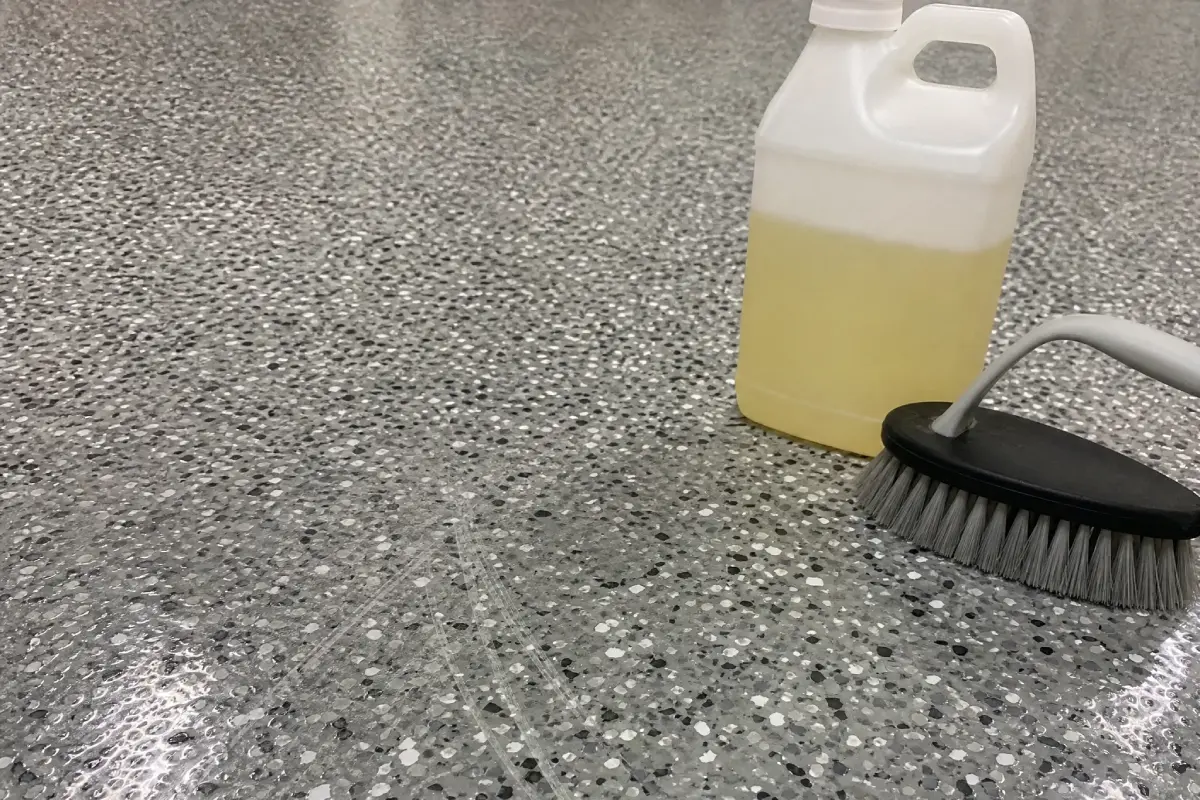
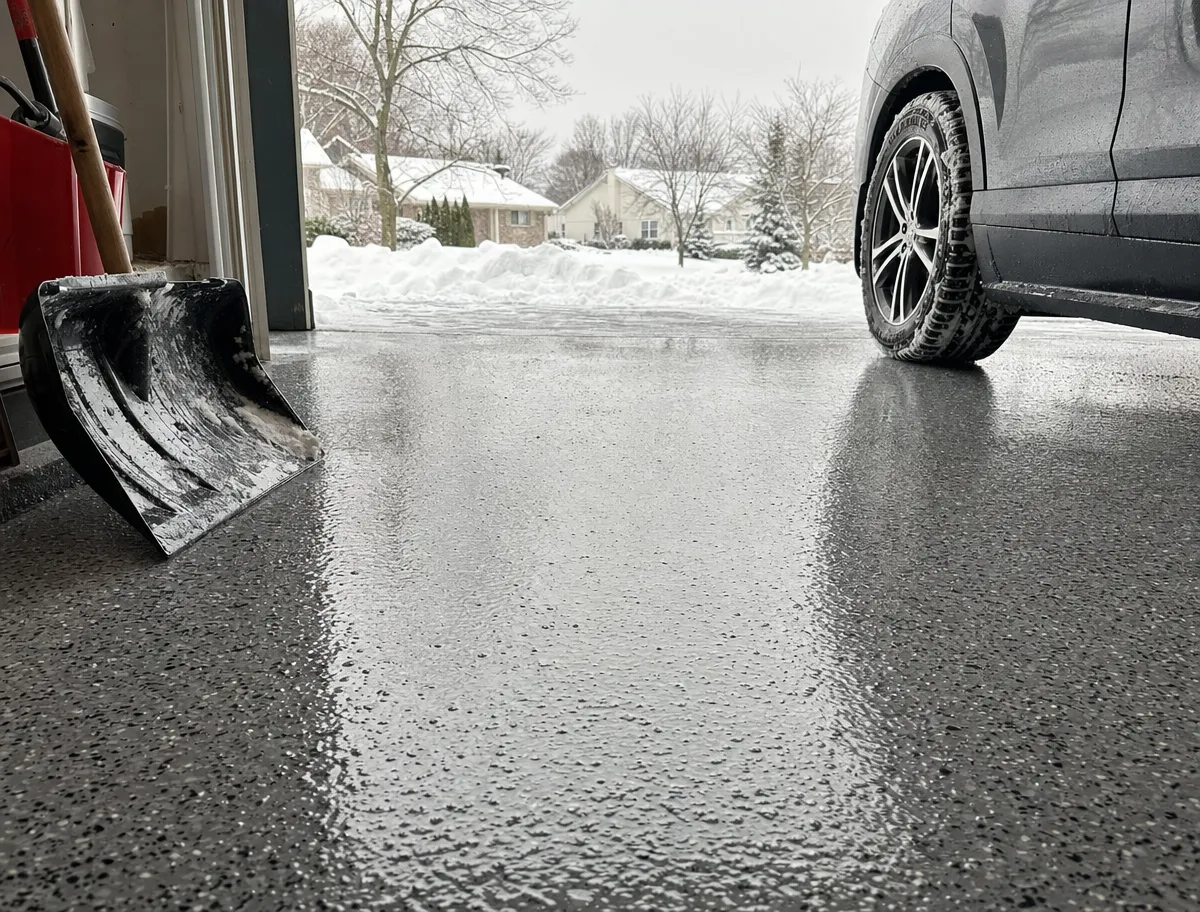
Abrasive pads and harsh solvents top the list of avoidable errors on a polyaspartic surface. These coatings resist yellowing and peeling under the UV exposure common in open garages. Scrubbing with steel wool or degreasers strips that protection over time. Skipping regular cleaning creates a second problem, especially in climates like Cleveland‘s. Freeze-thaw cycles, road salt, and moisture intrusion demand a consistent routine rather than occasional attention. Leaving debris or spills to accumulate also raises slip-and-fall risk — OSHA’s housekeeping requirements for walking-working surfaces call for prompt cleanup of anything that could cause a fall.
Does letting spills sit damage the coating?
Yes. Hot tire residue and chemical drips left unattended are more likely to bond to the surface instead of wiping away cleanly. The coating resists hot tire pickup, but that resistance works best when spills get addressed promptly.
Homeowners protecting a polyaspartic floor cleaning routine should avoid these habits:
- Using bleach, ammonia, or citrus-based cleaners
- Dragging metal shovels or sharp tools across the surface
- Ignoring manufacturer guidance tied to the limited transferable warranty
- Letting salt or grit sit through winter months without sweeping
Maintaining a polyaspartic floor coating requires consistent, straightforward care that preserves both its durability and aesthetic appeal. By adhering to the cleaning protocols outlined above, you protect your investment and ensure your floor retains its strength and appearance for years to come. J&P Coatings’ polyaspartic Duralast Coating delivers exceptional longevity precisely because proper maintenance complements superior material science. Whether your coated floor serves a residential garage, basement, or commercial facility, these maintenance practices establish the foundation for lasting performance and visual excellence.
TL;DR — Polyaspartic Floor Cleaning at a Glance
- Dust mop or sweep daily, then damp mop every one to two weeks with a mild, pH-neutral cleaner.
- The sealed, non-porous surface keeps dirt, oil, and salt on top, so most spills wipe away without staining.
- Skip bleach, ammonia, citrus cleaners, steel wool, and metal tools — they dull or scratch the finish.
- Cleveland-area freeze-thaw cycles and road salt make winter sweeping especially important.
- New floors can be cleaned almost immediately thanks to the 1-day installation and cure time.
- Next step: get a free, no-obligation quote from J&P Coatings for a polyaspartic floor that’s easy to keep looking new.
Frequently Asked Questions
What supplies are needed to clean a polyaspartic floor?
A soft-bristle broom or microfiber dust mop, a mop bucket with warm water, a mild non-abrasive pH-neutral cleaner, and a dry towel or squeegee complete the basic cleaning kit.
How often should a polyaspartic garage floor be cleaned?
Daily sweeping clears loose grit from high-traffic zones, and a full scrub every one to two weeks prevents buildup from settling into corners and seams.
Why do spills wipe up easily on polyaspartic coatings?
The sealed, non-porous surface keeps dirt, oil, and salt sitting on top instead of soaking into the concrete, so a damp mop and mild cleaner lift most spills without staining.
Can you use a pressure washer on a polyaspartic floor?
A pressure washer isn’t necessary for routine care since a mop and mild cleaner handle most dirt and grime. If one is used outdoors, keep the pressure low, since high-PSI washing can wear at seams and edges over time.
Is polyaspartic floor coating slippery when wet?
Most polyaspartic systems include a broadcast aggregate or anti-slip additive that maintains traction even when damp, though standing water should still be wiped up to speed drying and prevent residue buildup.
Related Resources
- Polyaspartic Floor Coatings
- North Royalton, OH Service Area
- Polyaspartic vs. Epoxy Durability
- Does Polyaspartic Floor Yellow in Sunlight?
- Garage Floor Neglect Cost Study
- One-Day Floor Coating in Cleveland
Get a Free Polyaspartic Floor Coating Quote
A polyaspartic floor stays looking new with almost no effort — daily sweeping, an occasional damp mop, and a few habits to avoid. If your garage, basement, or shop floor is ready for a coating that’s this easy to maintain, contact J&P Coatings today for a free, no-obligation quote.
About J&P Coatings: J&P Coatings installs Duralast polyaspartic floor coatings for garages, basements, and commercial spaces throughout Northeast Ohio and Northwest Pennsylvania. Every installation is completed in a single day and backed by a limited transferable warranty. Contact J&P Coatings today for a free, no-obligation quote.