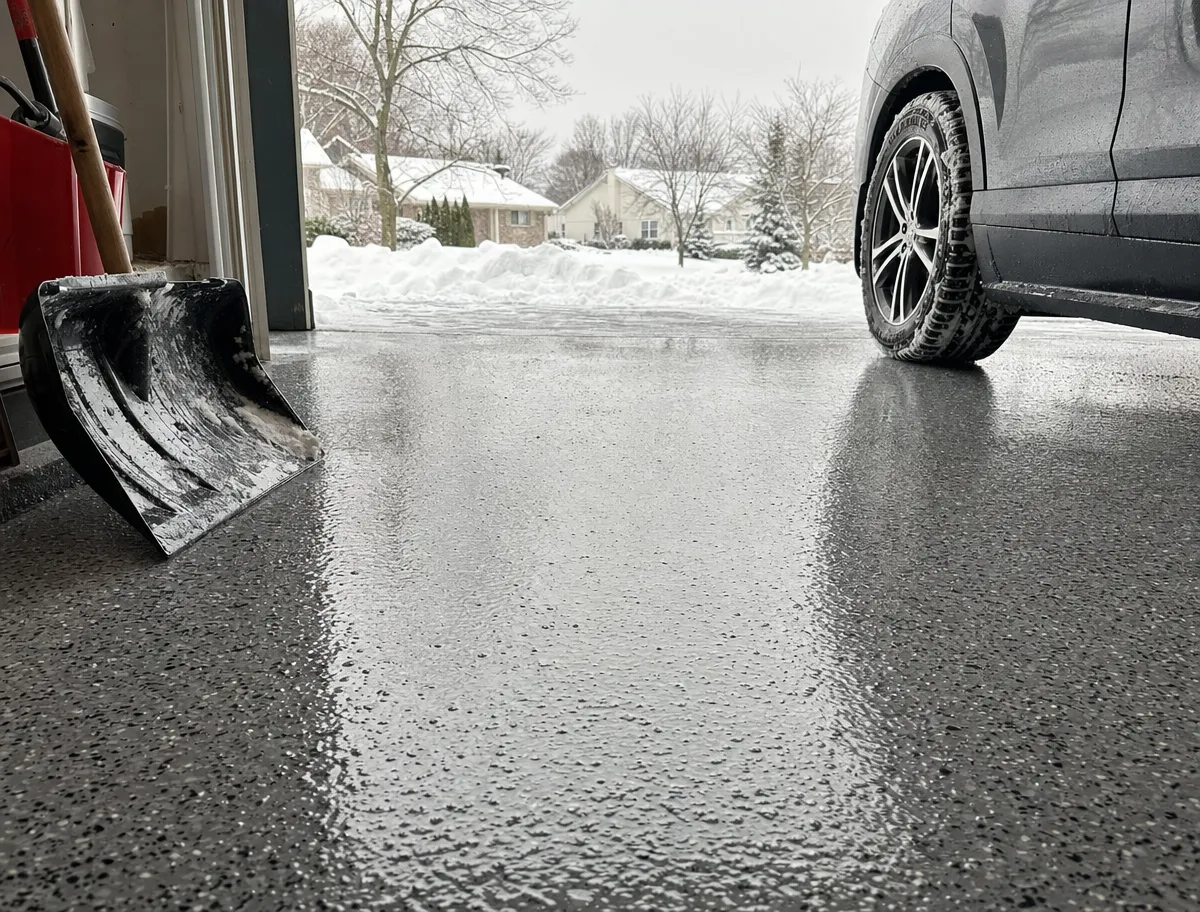
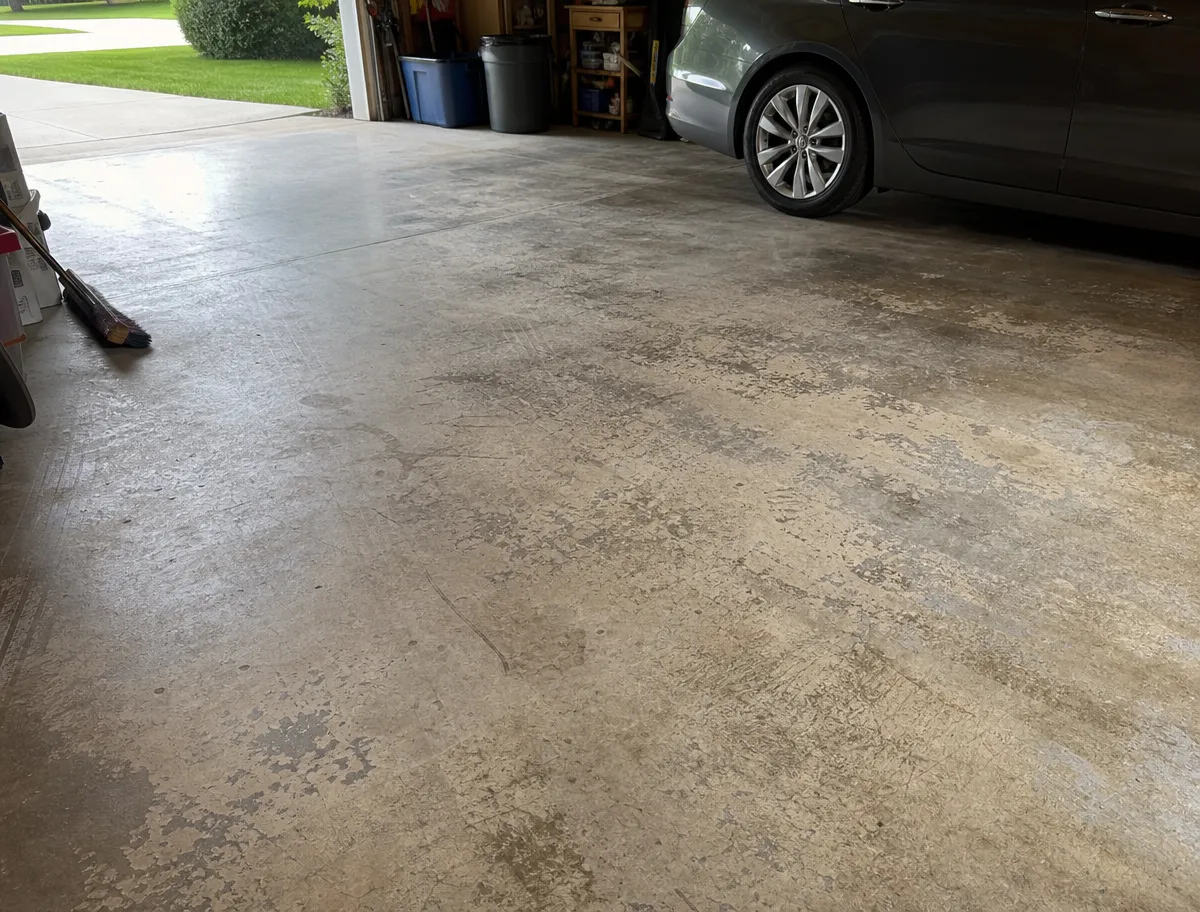
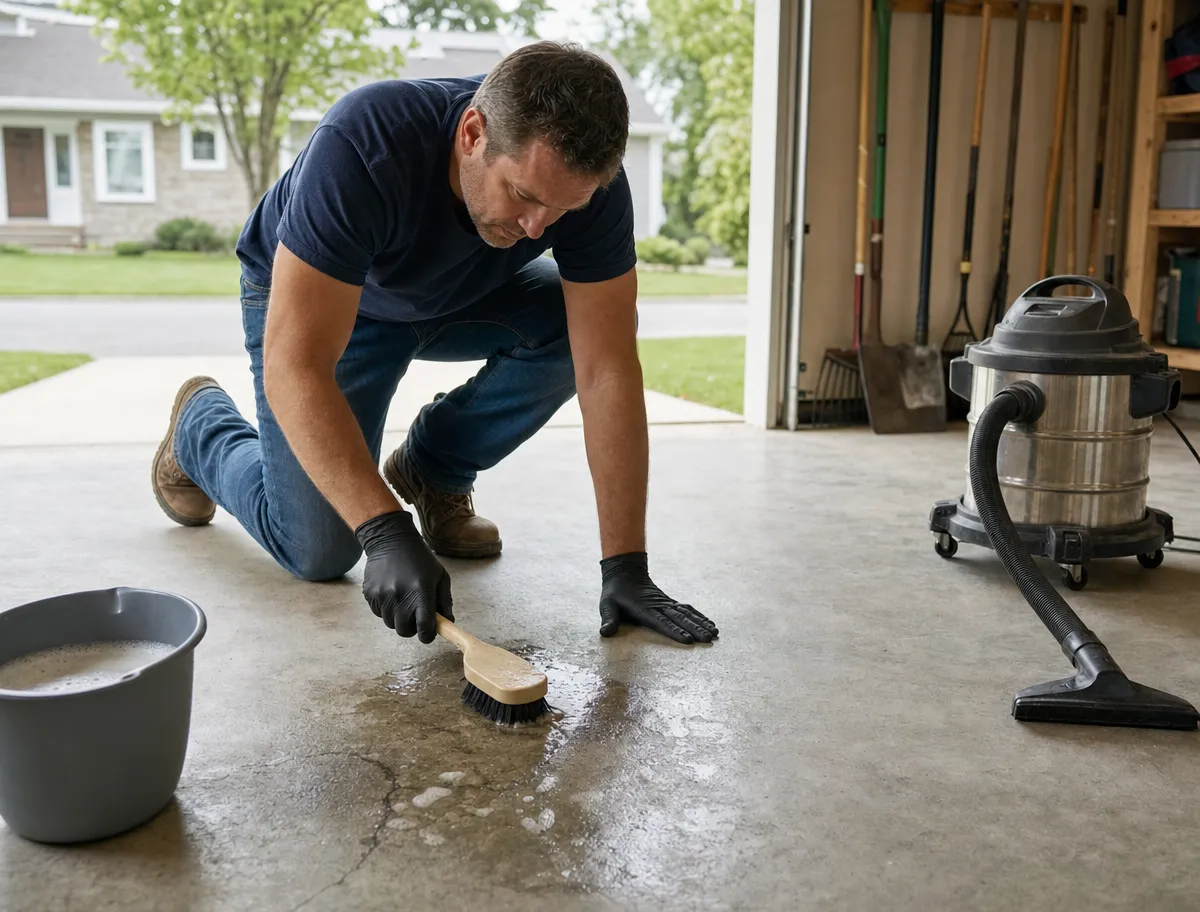
Quick Answer: Polyaspartic coating Ohio winter performance outpaces epoxy on every key measure. Polyaspartic cures even in sub-freezing temperatures, flexes through freeze-thaw cycles instead of cracking, and resists road salt corrosion and UV damage. It lasts 15+ years compared to epoxy’s 2–5 year lifespan in Midwest winters, carries roughly five times the wear resistance, and returns a garage floor to full use within one day of installation.
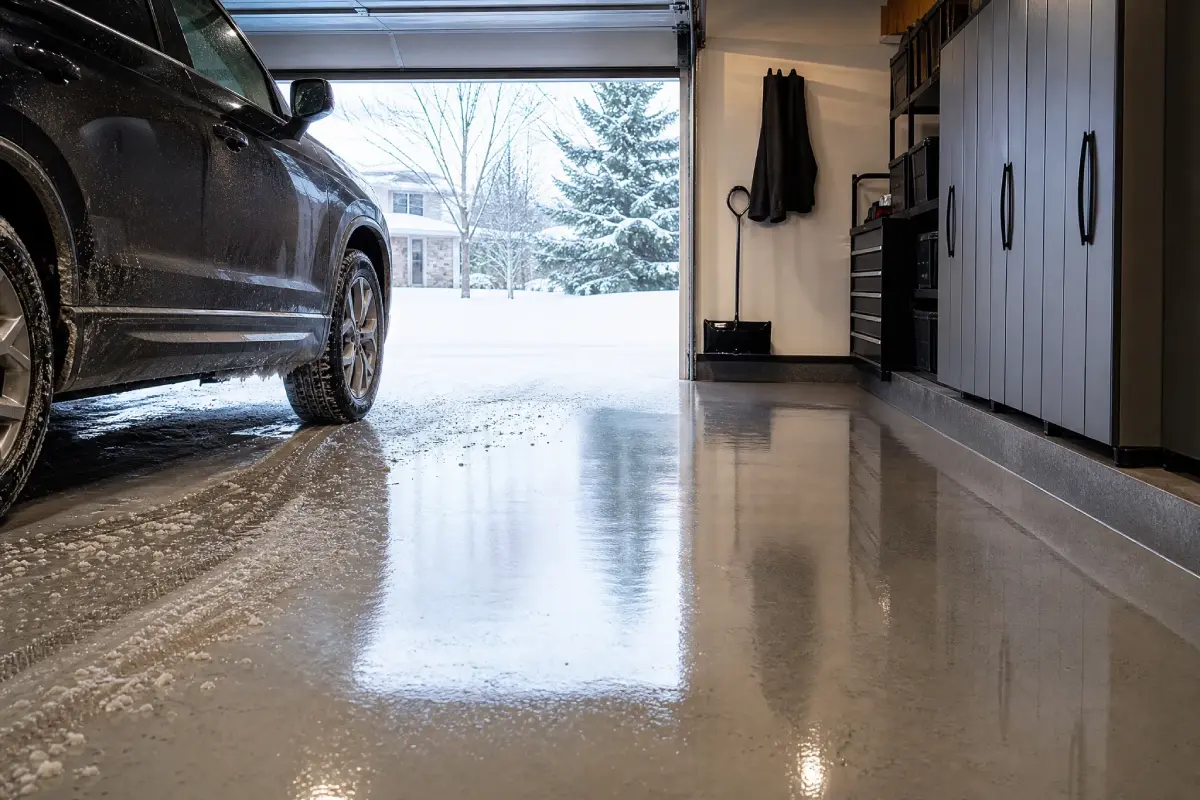
Ohio winters punish garage floors with freeze-thaw cycles. Road salt, conditions where polyaspartic coatings like J&P Coatings’ Duralast beat epoxy on every measure. Polyaspartic cures below freezing, flexes instead of cracking, and resists salt corrosion, lasting 15+ years versus epoxy’s 2–5. It’s roughly five times stronger and returns to use within one day.
What Are the Key Takeaways on Polyaspartic vs. Epoxy in Ohio Winters?
- Polyaspartic cures below freezing temperatures, while epoxy requires warmer conditions for proper application.
- Polyaspartic flexes through freeze-thaw cycles; epoxy cracks under Ohio’s repeated temperature swings.
- Polyaspartic resists road salt corrosion and UV damage better than standard epoxy coatings.
- Polyaspartic lasts 15+ years in Midwest winters versus significantly shorter epoxy lifespan.
Why Does Ohio Winter Destroy Epoxy Floors?
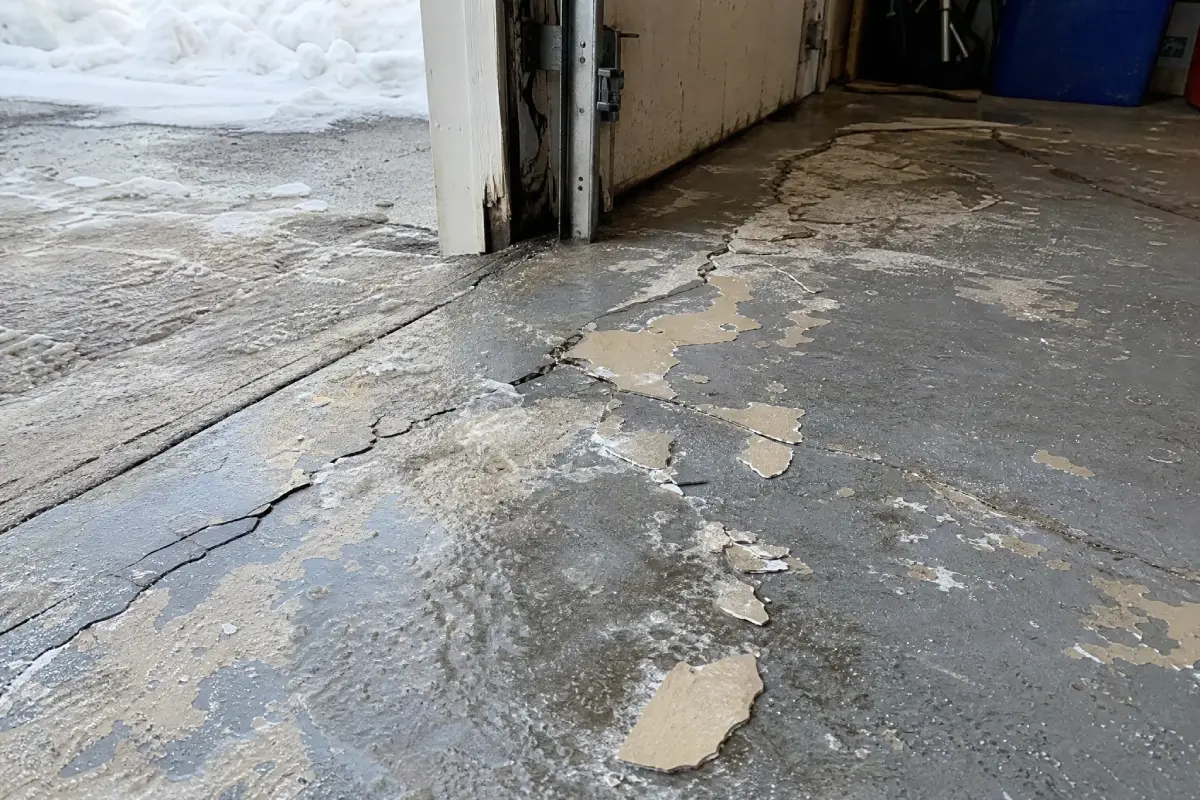
Freeze-thaw cycling breaks epoxy down from the inside out. Ohio garage and shop floors face repeated freezing and thawing, road salt exposure, and moisture intrusion each winter, and standard epoxy simply cannot flex enough to survive the stress. Cracks form, edges elevator, and the coating separates from the concrete beneath it.
Cure time compounds the problem. Epoxy typically needs 5 to 30 days to fully cure, leaving newly coated floors exposed and vulnerable right when temperatures swing hardest. A rushed cure in cold, humid Ohio conditions weakens the bond before the floor ever gets tested by winter traffic. Salt-frost durability research confirms that repeated freeze-thaw exposure is one of the most damaging stresses a concrete coating can face.
How Long Does Epoxy Actually Last in Ohio?
Most epoxy systems hold up for only 2 to 5 years under Ohio winter conditions. Polyaspartic coating Ohio winter performance data shows a very different lifespan. 15 years or more — because the material stays flexible through repeated freeze-thaw movement.
What Does Failing Epoxy Look Like After a Few Winters?
Homeowners typically notice yellowing, peeling, and delamination within a handful of seasons. Road salt accelerates the damage, and once moisture works underneath the coating, failure spreads fast:
- Yellowing from UV and salt exposure
- Peeling at seams and high-traffic zones
- Delamination from underlying concrete
How Does Polyaspartic Hold Up in Ohio Cold?
Sub-freezing temperatures do not stop a proper cure. Polyaspartic coating Ohio winter performance depends on chemistry that sets even when garage bays sit well below 32°F, a condition that halts epoxy installation entirely. Ohio’s freeze-thaw cycles punish rigid coatings, but polyaspartic floor coatings flex with the concrete instead of snapping under stress. That flexibility matters most in Columbus, Akron, and Toledo garages. Temperature swings between January thaw and February freeze crack brittle surfaces within a few seasons.
Duralast Polyaspartic Coating carries strength ratings roughly five times higher than standard epoxy, according to wear testing. Independent polyaspartic technology comparisons place polyaspartic systems at four to five times more wear-resistant than epoxy under repeated traffic. Road salt tracked in from Ohio streets corrodes weaker coatings. Polyaspartic resists that corrosion along with oil drips and de-icing chemicals.
Does Polyaspartic Crack in Freezing Weather?
No — properly installed polyaspartic resists cracking because it flexes through freeze-thaw cycles rather than holding a rigid bond. Epoxy lacks that give, which explains why older epoxy garage floors show hairline fractures after a few Ohio winters.
Will the Coating Chip or Peel From Snow and Salt?
Duralast Polyaspartic Coating is engineered against chipping and peeling under normal wear. Combined with one-day installation, property owners regain full floor use quickly, without sacrificing salt and moisture resistance through the coldest months.
📞 Ready to Get Started? Stop watching your epoxy floor crack through another Ohio winter. Contact J&P Coatings today for a fast, free quote on Duralast Polyaspartic Coating for your garage or shop floor.
When Should Ohio Properties Schedule a Coating?
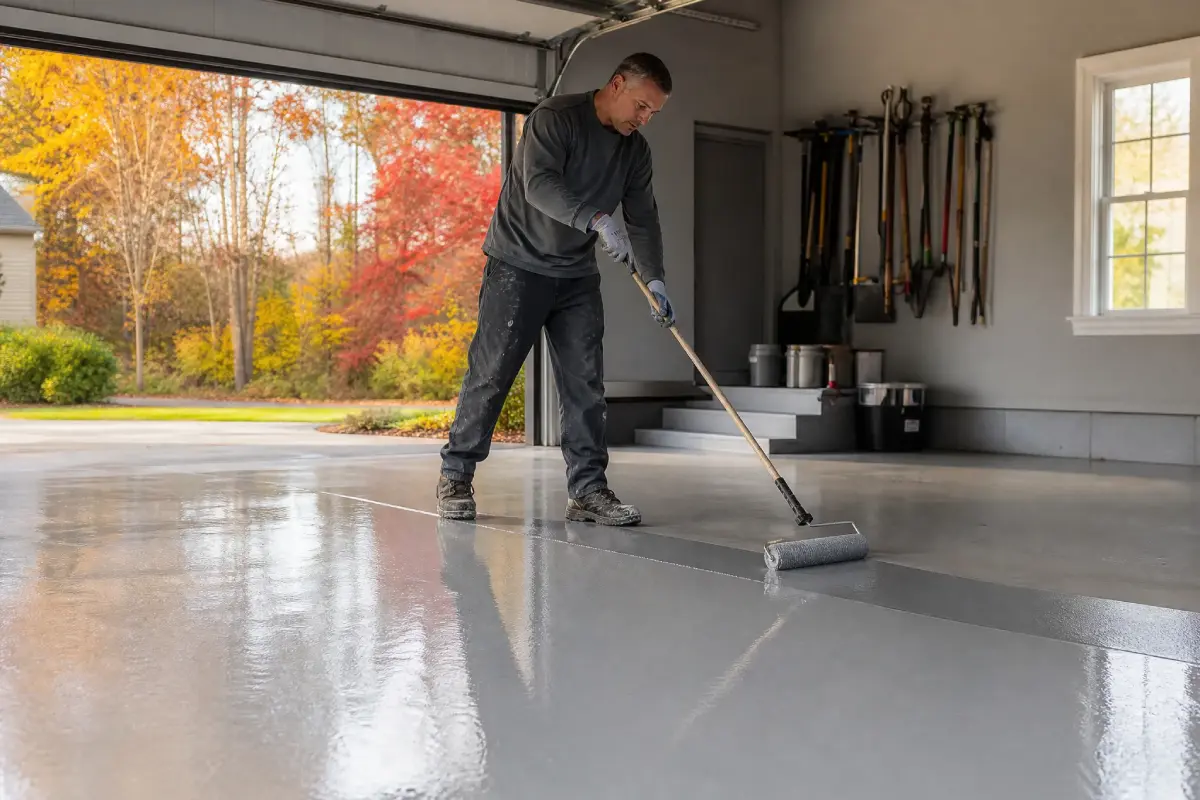
Fall stands out as the optimal window for coating installation across Ohio. Property owners who wait until winter risk installing under conditions that compromise the cure and shorten the coating’s service life. Contractors need specific temperature, humidity, and weather conditions before a coating cures properly and performs for years afterward. Cold snaps, snow, and road-salt tracking make winter installation impractical and reduce long-term results.
Why Does Timing Matter So Much for Garage Floors?
Curing chemistry depends on stable ambient conditions, not guesswork. A coating applied during unpredictable late-autumn or winter swings faces a higher risk of improper bonding. Scheduling before the first freeze gives the concrete surface time to fully cure before road salt and moisture arrive.
Is It Worth Paying More Upfront for a Longer-Lasting System?
Homeowners comparing costs should look past the initial invoice. Over a 15-year span, polyaspartic coating Ohio winter performance proves less expensive than epoxy because owners pay for one installation rather than repeated repairs and recoats.
Consider this scheduling checklist for Ohio properties:
- Book installation in early-to-mid fall, before overnight temperatures drop sharply
- Confirm humidity and temperature conditions meet cure requirements
- Avoid winter installation windows entirely where possible
J&P Coatings serves homeowners and businesses across Greater Cleveland, Northeast Ohio, and Western Pennsylvania, backing installations with a limited transferable warranty.
TL;DR — Polyaspartic vs. Epoxy in Ohio Winters at a Glance
- Polyaspartic cures below freezing; epoxy needs warmer, drier conditions to bond properly.
- Polyaspartic flexes through freeze-thaw cycles instead of cracking the way epoxy does.
- Polyaspartic resists road salt, de-icing chemicals, and UV damage better than epoxy.
- Polyaspartic lasts 15+ years versus epoxy’s 2–5 years under Ohio winter conditions.
- Fall is the best time to schedule installation, before the first hard freeze.
- Next step: Contact J&P Coatings for a free quote on Duralast Polyaspartic Coating.
Frequently Asked Questions
Why Does Polyaspartic Outperform Epoxy in Ohio Winters?
Polyaspartic cures below freezing, flexes through freeze-thaw cycles instead of cracking, and resists road salt corrosion and UV damage. It lasts 15+ years compared to epoxy’s 2–5 year lifespan in Midwest winters.
How Long Does an Epoxy Garage Floor Last in Ohio?
Freeze-thaw cycling, road salt, and moisture intrusion break the coating down, causing cracks, yellowing, peeling, and delamination. Most epoxy floors need repair or recoating within 2 to 5 years.
Can Polyaspartic Coating Cure in Cold Ohio Garages?
Yes, polyaspartic sets even when garage bays sit well below 32°F, a condition that halts epoxy installation entirely. J&P Coatings applies Duralast Polyaspartic Coating and returns floors to use within one day.
How Much Does Polyaspartic Coating Cost Compared to Epoxy in Ohio?
Polyaspartic costs more upfront than epoxy, but it lasts 15+ years versus epoxy’s 2–5 years in Ohio winters. Over time, polyaspartic works out cheaper because owners avoid the repeated recoats and repairs that failing epoxy requires.
When Is the Best Time to Schedule Polyaspartic Coating Installation in Ohio?
Early-to-mid fall is the best window, before overnight temperatures drop sharply. Scheduling before the first freeze gives contractors stable conditions for a proper cure, so the coating performs through winter.
Related Resources
- Garage Floor Coatings
- Mentor, OH Service Area
- Polyaspartic vs. Epoxy Durability
- Does Polyaspartic Floor Yellow in Sunlight?
- Polyaspartic Floor Coating Cost in Ohio
- Why Garage Floor Coatings Peel
- One-Day Floor Coating in Cleveland
Get a Free Polyaspartic Coating Quote in Ohio
For Ohio homeowners and businesses confronting the rigorous demands of winter conditions, polyaspartic coating represents a demonstrable advancement over traditional epoxy formulations. The superior durability, UV stability, and resistance to thermal stress that characterize polyaspartic technology address the specific environmental challenges that compromise conventional coatings in regional climates. J&P Coatings’ commitment to this advanced solution reflects our dedication to delivering floor systems engineered for lasting performance and protection across Northeast Ohio’s demanding seasonal cycles.
Contact J&P Coatings today for a free, no-obligation quote.
About J&P Coatings: J&P Coatings has served Greater Cleveland, Northeast Ohio, and Western Pennsylvania homeowners and businesses with polyaspartic and epoxy floor coating installations backed by a limited transferable warranty. Contact us today for a free, no-obligation quote.