Polyaspartic floor coatings have gained popularity among homeowners in Greater Cleveland due to their durability and quick installation times. As we look into 2026, understanding the costs associated with these coatings is essential for homeowners considering this investment. This article will explore the various factors influencing the cost of polyaspartic floor coatings, including material and labor expenses, surface preparation, and comparisons with other options like epoxy coatings. Additionally, we will discuss the typical installation process and how homeowners can find reliable contractors in the area. By the end of this guide, you will have a comprehensive understanding of what to expect when budgeting for polyaspartic floor coatings in Ohio.
What Are the Key Cost Factors for Polyaspartic Floor Coating in Greater Cleveland?
Several factors influence the cost of polyaspartic floor coatings in Greater Cleveland. Understanding these elements can help homeowners make informed decisions about their flooring projects.
- Square Footage: The size of the area to be coated significantly impacts the overall cost. Larger spaces will naturally incur higher costs due to the increased amount of material and labor required.
- Condition of Existing Concrete: If the existing concrete is damaged or requires extensive preparation, this can add to the overall cost. Homeowners may need to invest in repairs or additional surface preparation.
- Coating Type and Quality: The type of polyaspartic coating chosen can also affect pricing. Higher-quality coatings may come at a premium but offer better durability and longevity.
| Cost Factor | Description | Estimated Cost |
|---|---|---|
| Square Footage | Cost per square foot for polyaspartic coating | $5 to $12 |
| Surface Preparation | Additional costs for preparing the concrete | $1 to $3 |
| Total Estimated Cost | Combined costs for a typical installation | Varies based on size and condition |
For homeowners in Greater Cleveland, the total cost for polyaspartic floor coating can range significantly based on these factors.
How Do Material and Labor Costs Influence Pricing?
Material and labor costs are critical components of the overall pricing for polyaspartic floor coatings. The choice of materials directly impacts the budget, as different coatings have varying price points. Additionally, labor costs can fluctuate based on the complexity of the installation and the condition of the existing concrete.
Labor costs are crucial for installation, as skilled professionals are required to ensure a proper application. The condition of the concrete also affects labor time; for instance, if extensive repairs are needed, this will increase the labor costs associated with the project.
What Role Does Surface Preparation Play in Total Cost?
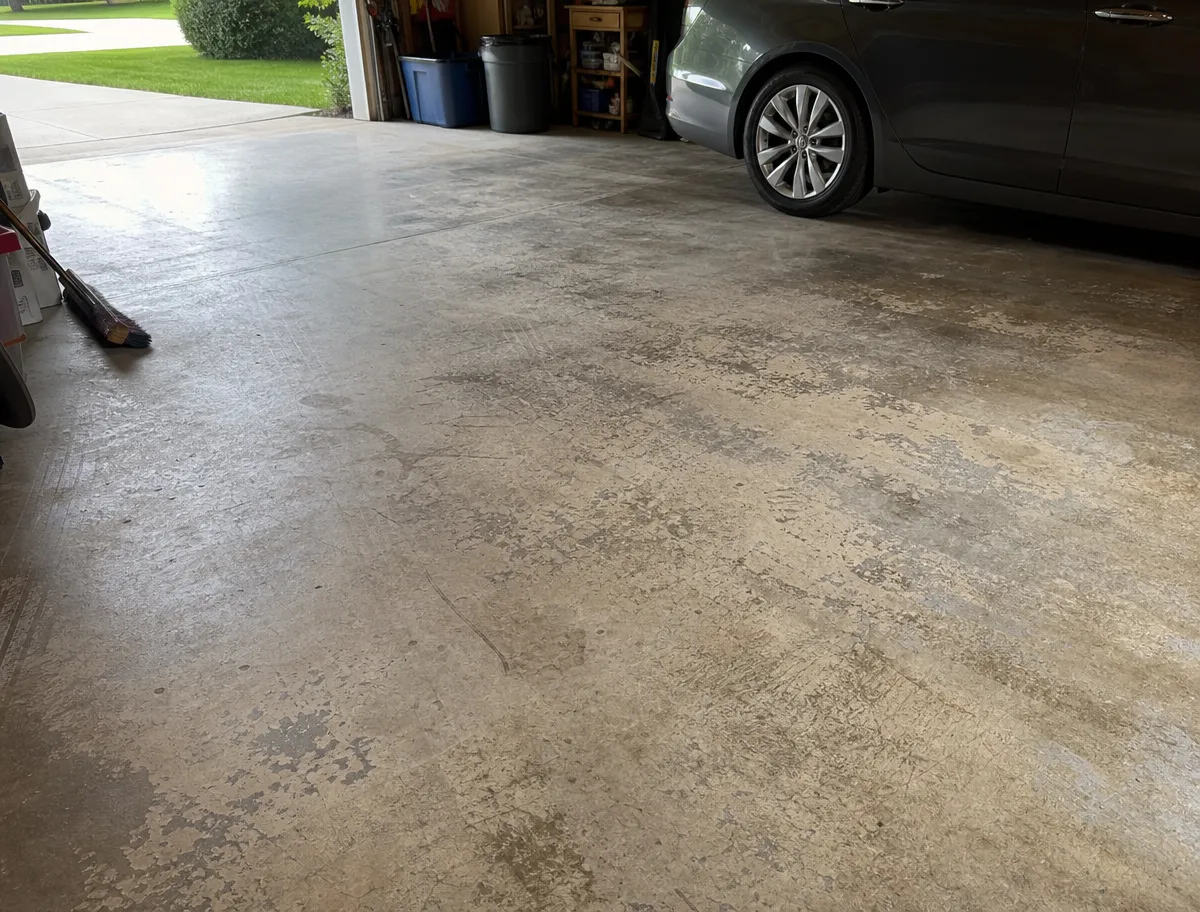
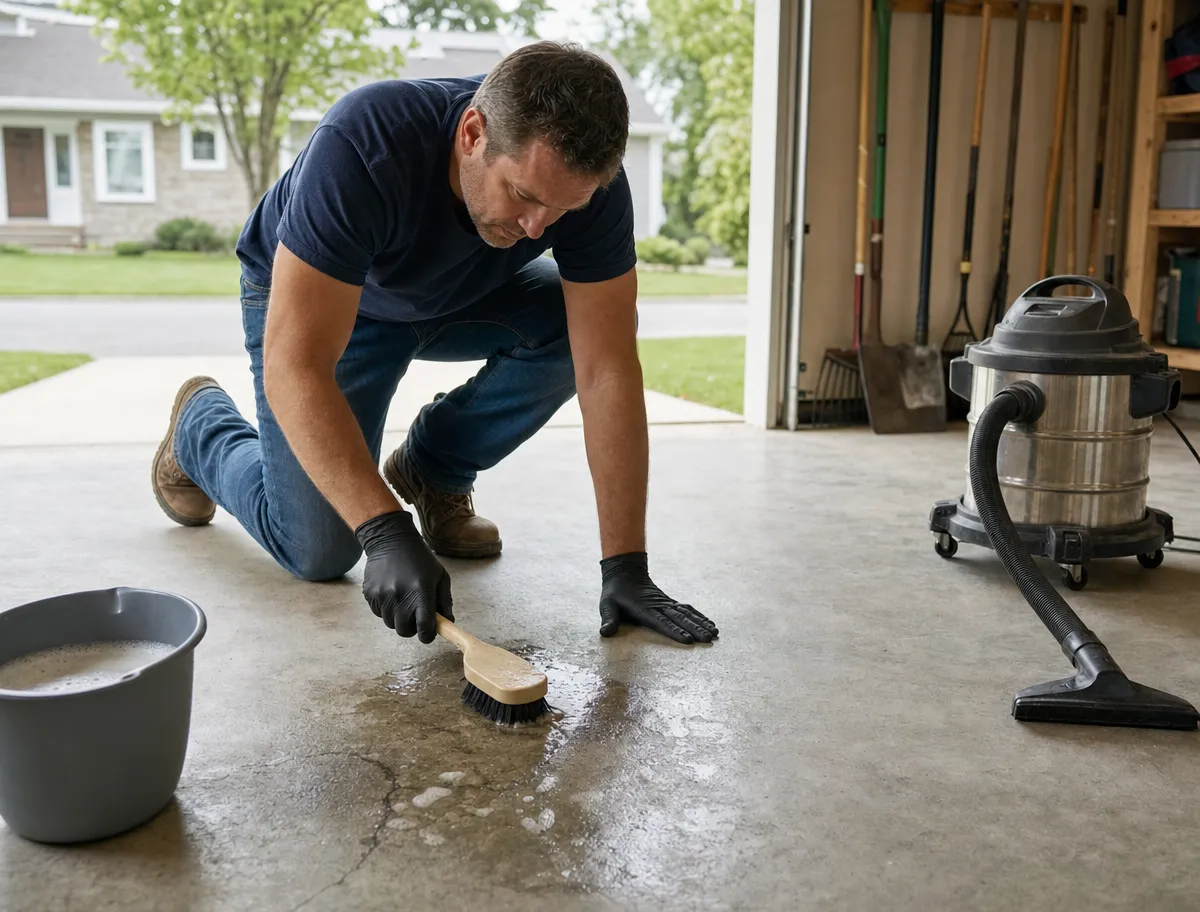
Surface preparation is a vital step in the installation of polyaspartic floor coatings. Proper preparation ensures that the coating adheres effectively to the concrete surface, which is essential for achieving long-lasting results.
Extensive cleaning and repairs can increase costs, as different preparation methods vary in price. Homeowners should be aware that investing in thorough surface preparation can lead to better performance and durability of the coating.
How Does Polyaspartic Floor Coating Compare to Epoxy in Ohio?
When considering floor coatings, many homeowners wonder how polyaspartic coatings stack up against epoxy options. Polyaspartic coatings cure faster than epoxy, allowing for quicker installation and use.
In terms of cost, polyaspartic coatings may be slightly more expensive upfront, but their durability and resistance to UV damage can make them a more cost-effective choice in the long run. Homeowners should weigh the initial investment against the potential longevity and performance benefits. According to This Old House, polyaspartic coatings consistently outperform epoxy in UV stability and long-term wear.
The advanced properties of polyaspartic polyurea systems, including their rapid curing and superior mechanical and chemical resistance, position them as a strong alternative to traditional epoxy coatings.
Polyaspartic Polyurea: Fast-Curing Alternative to Epoxy for Durable Coatings
The growing requirement for multifunctional, fast-curing composite coatings has made polyaspartic ester polyurea (PAE-PU) systems more prominent in terms of their fast ambient curing and excellent mechanical and chemical properties. This one-hour room-temperature-curing multifunctional coating shows promising potential as an alternative to standard epoxy and polyurethane systems under the tested conditions.
Multifunctional fast-curing polyaspartic ester polyurea/PANI-CsC@TiO2 composite coatings with antistatic and anticorrosion properties, M Gheybi, 2026
What Are the Durability and Lifespan Differences?
Durability and lifespan are significant factors when choosing between different types of floor coatings. Polyaspartic coatings typically last between 15 to 25 years, making them a long-term investment for homeowners.
Studies confirm the exceptional resilience of polyaspartic coatings, particularly their ability to withstand harsh environmental conditions like salt fog and freeze-thaw cycles, which is crucial for long-term performance.
Polyaspartic Concrete Coatings: Durability Against Freeze-Thaw & Salt Fog
This paper mainly studied the properties of PAE polyurea coated concrete under coactions of salt fog and freeze-thaw. After exposed salt fog conditions for 200d, T3, B2, F2 and TM four coated concrete relative dynamic elastic modulus have small changes, but different coated concrete variation amplitude is different. T3 coated concrete after 100 times of freeze-thaw cycle the relative dynamic elastic modulus began to drop, 200 times freeze-thaw cycle ends, relative dynamic elastic modulus variation is the largest, decrease rate is 95%, TM concrete during 200 times freeze-thaw cycle, relative dynamic elastic modulus almost no change, B2 concrete and F2 concrete the extent of change between coating T3 and TM. After 300 times the freeze-thaw cycle coated concrete didn’t appear freeze-thaw damage phenomenon.
Studies the Properties of Polyaspartic Polyurea Coated Concrete under Coaction of Salt Fog and Freeze-Thaw, 2012
In contrast, budget-level sealers may only last 1 to 3 years, which can lead to more frequent replacements and higher long-term costs. Understanding these differences can help homeowners make informed decisions about their flooring options.
Is Polyaspartic More Cost-Effective Than Epoxy Over Time?
While polyaspartic coatings may have a higher initial cost compared to epoxy, they often prove to be more cost-effective over time. The longevity of polyaspartic coatings, combined with their resistance to wear and tear, can lead to lower maintenance costs and fewer replacements.
Homeowners should consider the total cost of ownership, including installation, maintenance, and potential replacements, when evaluating the cost-effectiveness of polyaspartic versus epoxy coatings.
What Is the Typical Installation Process and Timeline for Polyaspartic Coatings in Ohio?
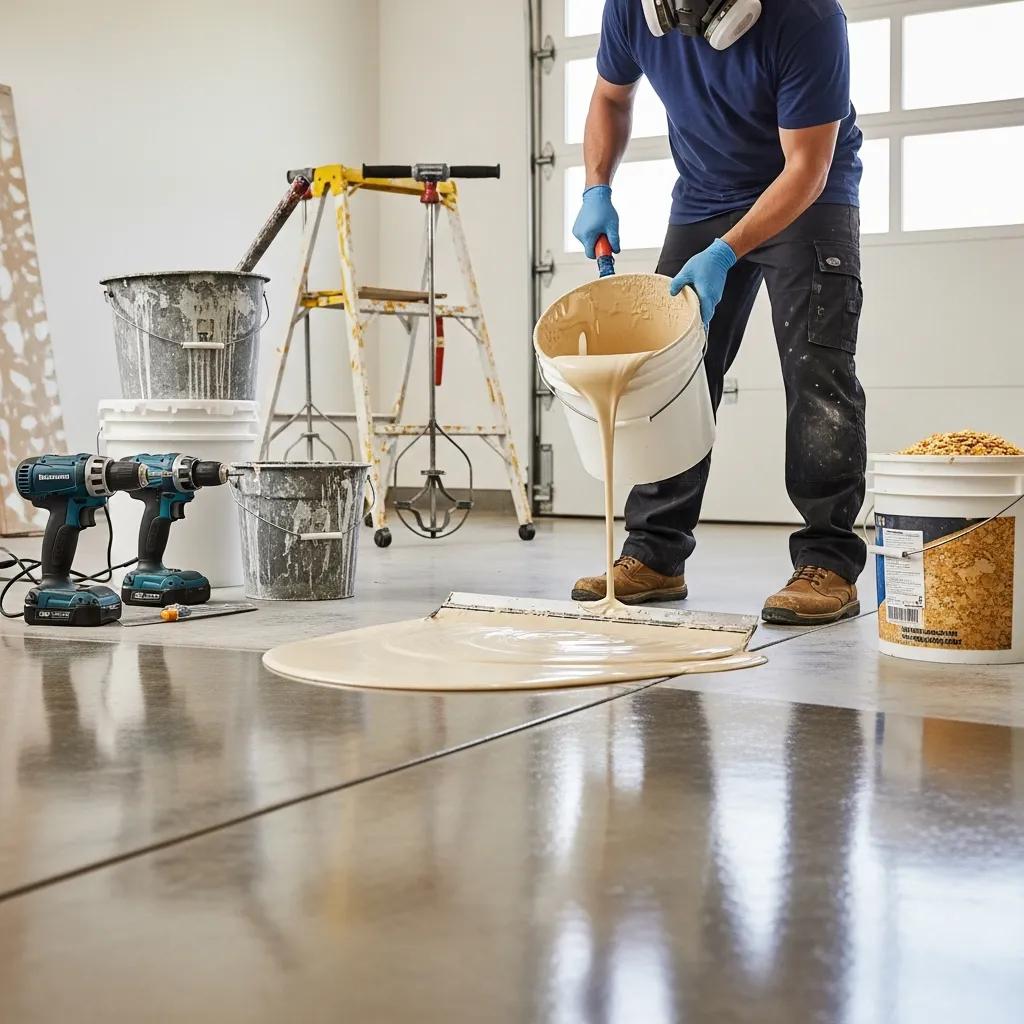
The installation process for polyaspartic coatings typically involves several key steps. First, the existing concrete surface is prepared, which may include cleaning, repairing, and priming.
Once the surface is ready, the polyaspartic coating is applied, usually in a single day. The curing time is relatively short, with homeowners often able to walk on the surface within 12 hours and drive on it after 24 hours. This quick turnaround is one of the advantages of polyaspartic coatings.
Research further highlights the efficiency of polyaspartic systems in reducing curing times and increasing productivity.
Fast-Curing Polyaspartic Floor Coatings: Fewer Layers, Higher Productivity
Polyaspartic systems used for corrosion protection and as floor coatings require fewer layers and cure more rapidly than conventional solutions. The curing time can be reduced from between 18 and 24 hours to between only six and eight hours. This results in a two- to threefold increase in productivity.
Fewer Layers, Faster Curing: Polyaspartic Coatings for Corrosion Protection and Construction Applications, 2015
How Long Does Installation Take in Greater Cleveland Conditions?
In Greater Cleveland, the installation time for polyaspartic coatings can vary based on weather conditions and the size of the project. Generally, the entire process can be completed within 1 to 2 days, making it a convenient option for homeowners looking to upgrade their flooring quickly.
Can Polyaspartic Coatings Be Applied Year-Round in Ohio?
One of the benefits of polyaspartic coatings is their versatility in application. These coatings can be applied year-round, provided that the temperature is within the recommended range.
Homeowners should consult with professionals to ensure that the conditions are suitable for application, especially during colder months when temperatures may drop.
What Should You Expect from Professional Polyaspartic Coating Services?
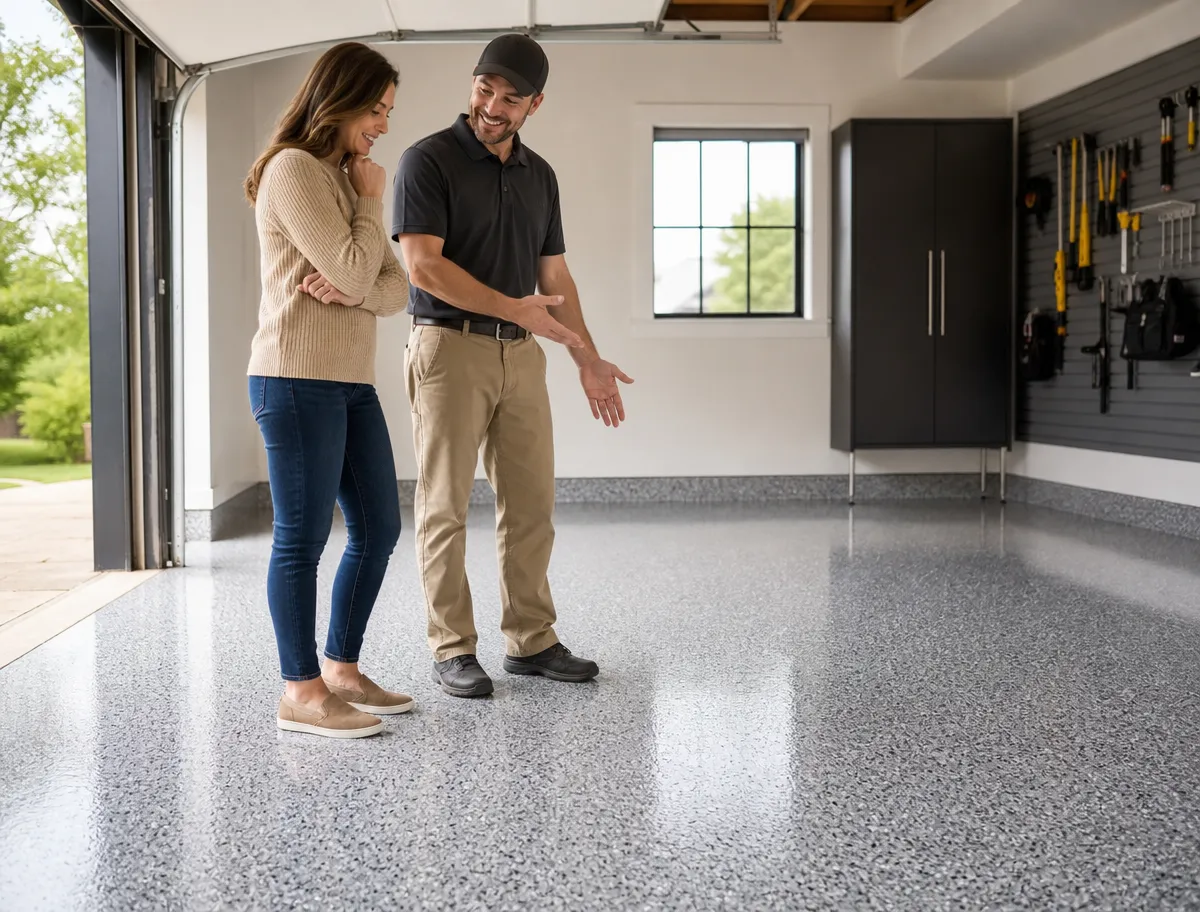
When hiring professional services for polyaspartic coating installation, homeowners should expect a thorough consultation, expert installation, and a focus on customer satisfaction.
Professionals will assess the specific needs of the project and provide recommendations tailored to the homeowner’s requirements. This level of service ensures that the final result meets expectations and provides long-lasting performance.
How to Request a Free Estimate for Polyaspartic Floor Coating in Cleveland?
Requesting a free estimate for polyaspartic floor coating is a straightforward process. Homeowners can contact J&P Coatings directly at (440) 557-3141 to discuss their project and schedule an estimate.
During the estimate process, homeowners should expect to discuss their specific needs, the condition of their existing flooring, and any questions they may have about the installation process. This initial consultation is an essential step in planning for a successful flooring project.
Frequently Asked Questions
What are the advantages of polyaspartic coatings over traditional epoxy coatings?
Polyaspartic coatings offer several advantages over traditional epoxy coatings, including faster curing times and greater durability. While epoxy can take up to several days to cure fully, polyaspartic coatings can be ready for foot traffic within 12 hours and vehicle traffic within 24 hours. Additionally, polyaspartic coatings are more resistant to UV damage and chemicals, making them ideal for both indoor and outdoor applications. This combination of quick installation and long-lasting performance makes polyaspartic a popular choice among homeowners.
Are there any specific maintenance requirements for polyaspartic floor coatings?
Polyaspartic floor coatings are relatively low-maintenance compared to other flooring options. Regular cleaning with a mild detergent and water is usually sufficient to keep the surface looking new. It’s advisable to avoid harsh chemicals that could damage the coating. Additionally, periodic inspections for wear and tear can help identify any areas that may need touch-ups or repairs. Overall, the durability of polyaspartic coatings means they require less frequent maintenance than other flooring types, such as epoxy or traditional sealers.
How do weather conditions affect the application of polyaspartic coatings?
Weather conditions can significantly impact the application of polyaspartic coatings. While these coatings can be applied year-round, it’s essential to ensure that temperatures are within the manufacturer’s recommended range, typically between 50°F and 90°F. Extreme cold can slow down curing times, while high humidity can affect adhesion. Homeowners should consult with professionals to determine the best time for application, especially during seasonal transitions when weather conditions can be unpredictable.
What types of surfaces can polyaspartic coatings be applied to?
Polyaspartic coatings can be applied to a variety of surfaces, including concrete, wood, and metal. They are particularly effective on concrete floors, making them a popular choice for garages, basements, and commercial spaces. However, proper surface preparation is crucial to ensure optimal adhesion and performance. This may involve cleaning, repairing, and priming the surface before application. Homeowners should consult with professionals to determine the best approach for their specific flooring needs.
What is the expected lifespan of polyaspartic floor coatings?
Polyaspartic floor coatings typically have a lifespan of 15 to 25 years, depending on factors such as usage, maintenance, and environmental conditions. Their exceptional durability makes them a long-term investment for homeowners. In contrast, lower-quality sealers may only last 1 to 3 years, leading to more frequent replacements. By choosing polyaspartic coatings, homeowners can enjoy a resilient flooring solution that withstands wear and tear, ultimately saving money on maintenance and replacements over time.
Can polyaspartic coatings be customized in terms of color and finish?
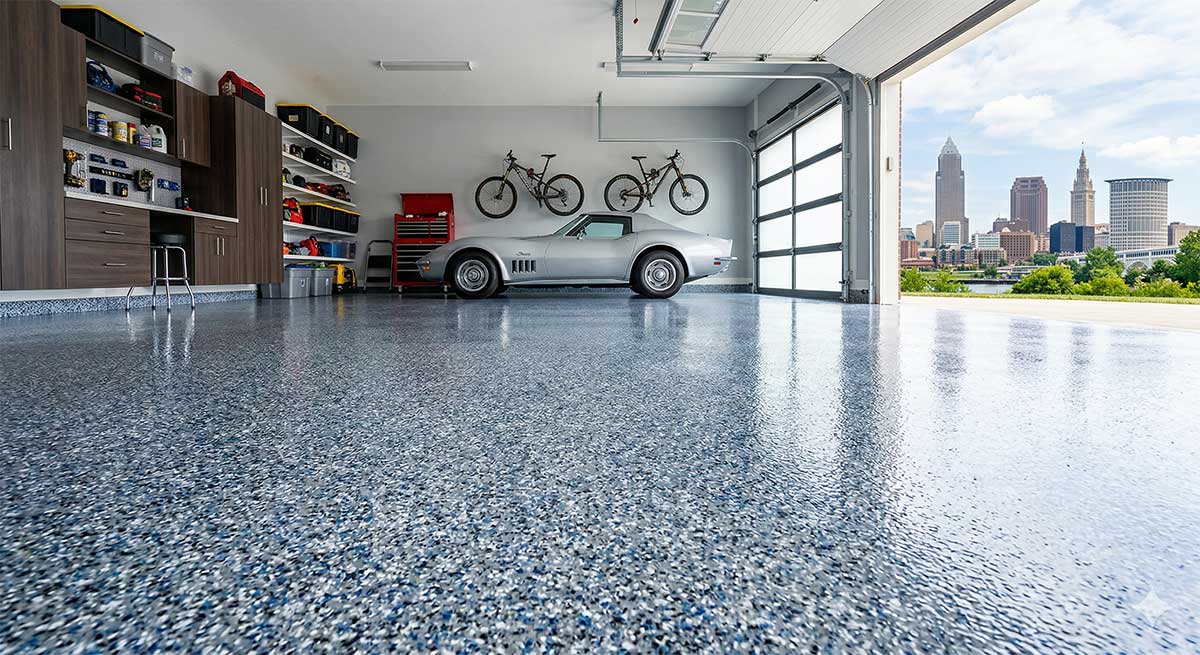
Yes, polyaspartic coatings can be customized to suit individual preferences. Homeowners can choose from a wide range of colors, finishes, and textures to create a unique look for their flooring. Whether opting for a glossy finish for a modern aesthetic or a matte finish for a more subdued appearance, customization options allow homeowners to match their flooring with their overall design scheme. Consulting with a professional can help in selecting the best options for both aesthetics and functionality.
Conclusion
Investing in polyaspartic floor coatings offers Greater Cleveland homeowners a durable and cost-effective flooring solution that can last 15 to 25 years. With quick installation times and minimal maintenance requirements, these coatings provide significant long-term value compared to traditional options like epoxy. Understanding the factors that influence costs will empower you to make informed decisions for your home. Contact us today to request a free estimate and take the first step towards enhancing your flooring.