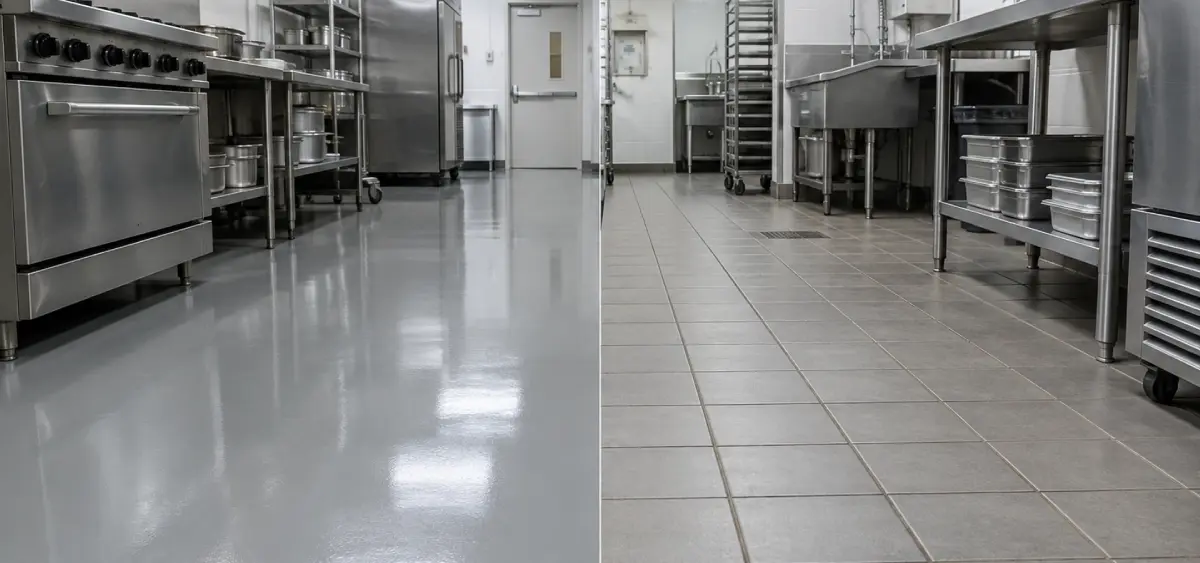
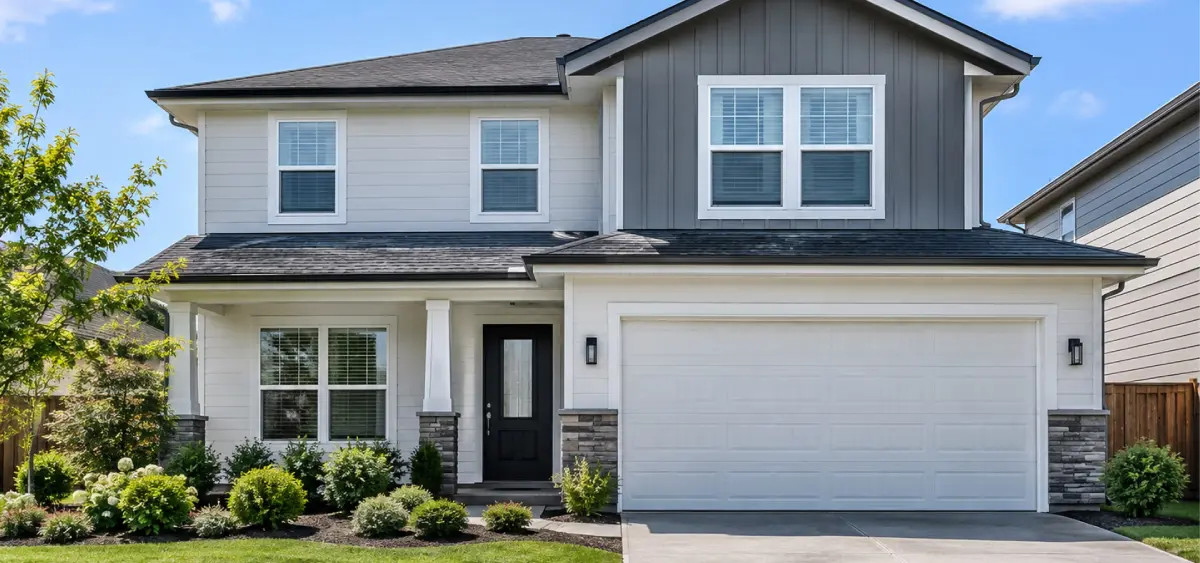
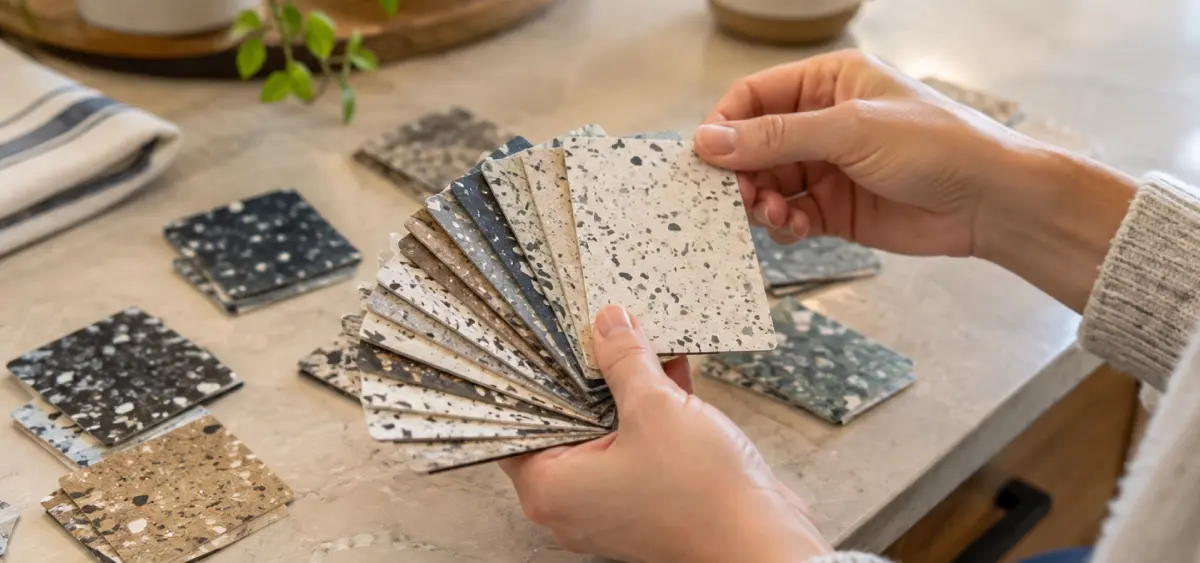
Our polyaspartic floor coatings are gaining popularity for their durability and quick installation, especially in regions like Northeast Ohio. Homeowners and businesses alike would benefit greatly in understanding the lifespan of these coatings and the factors that influence their longevity. This article will explore their typical lifespan, how they compare to other floor coatings, and the best practices for maintenance to ensure they last as long as possible. By the end, you will have a comprehensive understanding of what affects the durability of polyaspartic floor coatings and why they are an excellent choice for your flooring needs.
What Is the Typical Lifespan of Polyaspartic Floor Coatings in Northeast Ohio?
Polyaspartic floor coatings typically have a lifespan of 15-20 years in residential settings and can last 5-10 years in commercial applications. This longevity is influenced by several factors, including the level of foot traffic and the quality of surface preparation before application. Proper installation is crucial to achieving the maximum lifespan of these coatings, as it ensures a strong bond with the substrate and enhances overall durability. According to Sherwin-Williams High Performance Flooring, polyaspartic coatings offer exceptional durability, chemical resistance, and rapid curing times — with UV-resistant topcoats that keep floors looking new for years even under heavy use.
How Does Polyaspartic Coating Durability Compare to Other Floor Coatings?
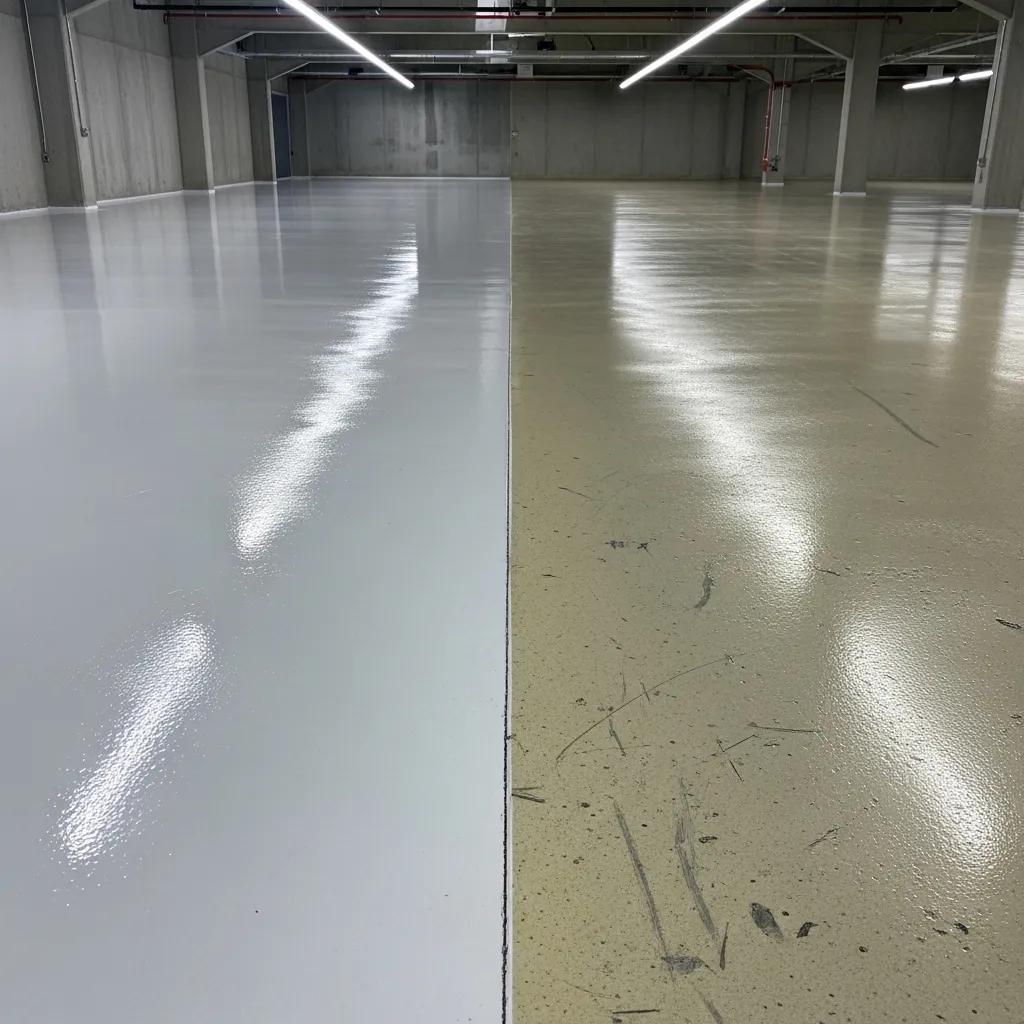
When comparing polyaspartic coatings to other types, such as epoxy, polyaspartic coatings generally last longer. They offer superior UV stability, which prevents yellowing and degradation from sunlight exposure. Additionally, polyaspartic coatings cure faster, allowing for quicker return to service, and they exhibit higher abrasion resistance, making them ideal for high-traffic areas.
What Industry Standards Define Polyaspartic Coating Longevity?
Industry standards indicate that polyaspartic coatings should last at least 15 years for residential applications and 5-10 years for commercial settings. These standards emphasize the importance of proper installation and maintenance to achieve these longevity benchmarks. Adhering to these guidelines ensures that the coatings perform optimally throughout their intended lifespan.
Which Factors Affect the Durability of Polyaspartic Floor Coatings?
Several factors can influence the durability of polyaspartic floor coatings, including:
| Factor | Description | Impact Level |
|---|---|---|
| Chemical Resistance | Ability to withstand spills and harsh cleaning agents | High |
| Impact and Abrasion Resistance | Tolerance to physical wear and tear | High |
| UV Resistance | Protection against sunlight-induced degradation | Medium |
Understanding these factors can help in selecting the right coating for specific environments and applications.
How Should Polyaspartic Floor Coatings Be Maintained for Maximum Lifespan?
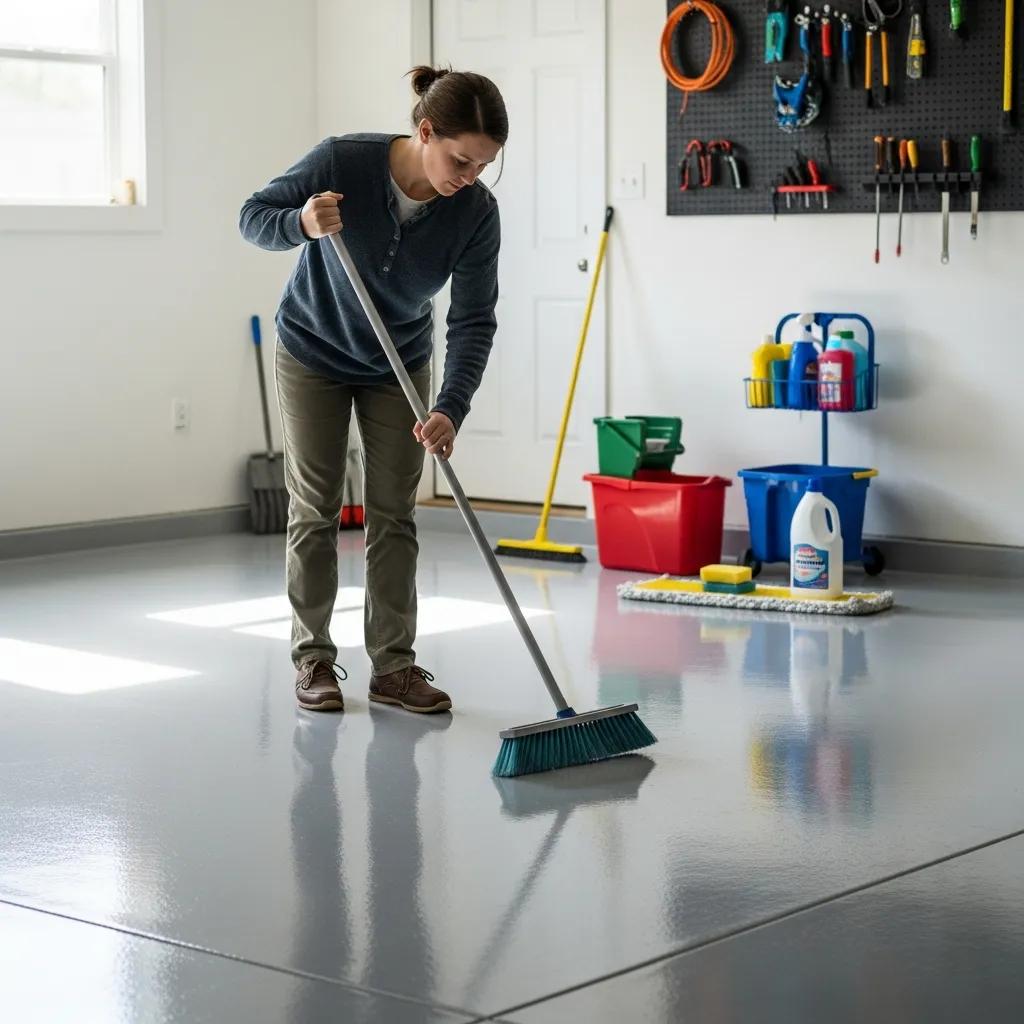
To maximize the lifespan of polyaspartic floor coatings, be it on your garage floor or anywhere else, regular maintenance is essential. Here are some best practices:
- Routine Cleaning: Regularly sweep and mop the surface to remove dirt and debris.
- Avoid Harsh Chemicals: Use pH-neutral cleaners to prevent damage to the coating.
- Inspect for Damage: Regularly check for signs of wear or damage and address them promptly.
By following these maintenance practices, you can significantly extend the life of your polyaspartic floor coatings.
What Are the Recommended Maintenance Practices for Polyaspartic Floors?
Specific maintenance practices for polyaspartic floors include:
- Regular Sweeping and Mopping: This helps to keep the surface clean and free from abrasive particles.
- Use of Protective Mats: Placing mats at entry points can reduce wear from foot traffic.
- Following Installation Guidelines: Adhering to the manufacturer’s recommendations during installation can prevent future issues.
Implementing these practices will help maintain the integrity and appearance of your polyaspartic floors.
How Does Proper Maintenance Extend Coating Durability?
Proper maintenance plays a critical role in extending the durability of polyaspartic coatings. Periodic inspections allow for early detection of wear and tear, while regular cleaning prevents the buildup of harmful substances that can degrade the coating. Addressing any issues promptly ensures that the floor remains in optimal condition, thereby prolonging its lifespan.
Why Is Polyaspartic Floor Coating the Best Choice for Northeast Ohio?
Polyaspartic floor coatings are particularly well-suited for Northeast Ohio due to their fast installation and resistance to harsh climate conditions. They can withstand temperature fluctuations and moisture, making them ideal for both residential and commercial applications in the region. Additionally, their minimal maintenance requirements make them a practical choice for busy homeowners and businesses.
How Does Polyaspartic Compare to Epoxy in Regional Performance?
In terms of regional performance, polyaspartic coatings outperform epoxy in several key areas. Industry professionals at CoatingsPro Magazine note that professional-grade polyaspartic topcoats cure up to eight times thicker than DIY alternatives, underscoring the value of expert installation:
- Curing Time: Polyaspartic coatings cure much faster than epoxy, allowing for quicker use of the space.
- UV Resistance: They offer better protection against UV rays, preventing discoloration and degradation.
- Longevity: Polyaspartic coatings generally have a longer lifespan compared to epoxy, making them a more cost-effective option in the long run.
These advantages make polyaspartic coatings a preferred choice for many in Northeast Ohio.
What Are the Benefits of Choosing Local Expert Application Services?
Choosing local expert application services for polyaspartic coatings offers several advantages. You can also compare all flooring options to find the best fit for your space:
- Expert Knowledge and Communication: Local professionals understand the specific needs of the Northeast Ohio climate and can provide tailored solutions.
- Efficient Installation: Experienced applicators ensure that the coating is applied correctly, maximizing its lifespan.
- Quality Results: Local experts are committed to delivering high-quality workmanship, which is essential for achieving the best performance from your flooring.
By opting for local services, you can ensure that your polyaspartic floor coatings are installed and maintained to the highest standards.
Frequently Asked Questions
What are the environmental impacts of polyaspartic floor coatings?
Polyaspartic floor coatings are generally considered to have a lower environmental impact compared to traditional coatings like epoxy. They are often low in volatile organic compounds (VOCs), which means they emit fewer harmful chemicals into the air during application. Additionally, their durability reduces the need for frequent replacements, minimizing waste. However, it’s essential to choose products from manufacturers that prioritize eco-friendly practices to ensure the coatings are as sustainable as possible.
Can polyaspartic coatings be applied over existing flooring?
Yes, polyaspartic coatings can be applied over existing flooring, provided the surface is properly prepared. This includes cleaning, repairing any damage, and ensuring the surface is free of contaminants. It’s crucial to consult with a professional to assess the condition of the existing floor and determine if it is suitable for a polyaspartic overlay. Proper preparation is key to achieving a strong bond and optimal performance of the new coating.
Are there color options available for polyaspartic floor coatings?
Yes, polyaspartic floor coatings come in a wide variety of colors and finishes. Homeowners and businesses can choose from solid colors, metallic finishes, and even custom blends to match their aesthetic preferences. This versatility allows for creative design options, making polyaspartic coatings suitable for both residential and commercial spaces. It’s advisable to consult with a professional to explore the best options that align with your vision and functional needs.
How do temperature and humidity affect the application of polyaspartic coatings?
Temperature and humidity play significant roles in the application of polyaspartic coatings. Ideally, the application should occur in temperatures between 50°F and 90°F, with moisture or humidity levels below 85%. High humidity can lead to improper curing, while low temperatures can slow down the curing process. It’s essential to monitor weather conditions and follow manufacturer guidelines to ensure optimal application and performance of the coating.
What should I do if my polyaspartic floor gets damaged?
If your polyaspartic floor gets damaged, it’s important to address the issue promptly to prevent further deterioration. Start by assessing the extent of the damage. Minor scratches or scuffs or minor wear and tear issues can often be repaired with a simple touch-up application. For more significant damage, such as cracks or peeling, it may be necessary to consult a professional for repair or reapplication. Regular inspections can help catch issues early, ensuring the longevity of your flooring.
Is it possible to remove polyaspartic coatings if needed?
Yes, polyaspartic coatings can be removed if necessary, although the process can be labor-intensive. Typically, removal involves mechanical methods such as grinding or shot blasting to strip the coating from the surface. Chemical strippers may also be used, but they require careful handling due to their harsh nature. It’s advisable to hire professionals for this task to ensure the underlying surface is not damaged during the removal process.