Quick Answer: Cleveland-area kennels, shelters, and vet facilities are switching from bare concrete and standard epoxy to polyaspartic floor coatings because polyaspartic cures in hours instead of days, resists urine and disinfectant chemicals better over time, and creates the seamless, non-porous surface that animal-care standards call for. J&P Coatings installs the Duralast® polyaspartic system for kennels across Greater Cleveland, NE Ohio, and NW Pennsylvania.
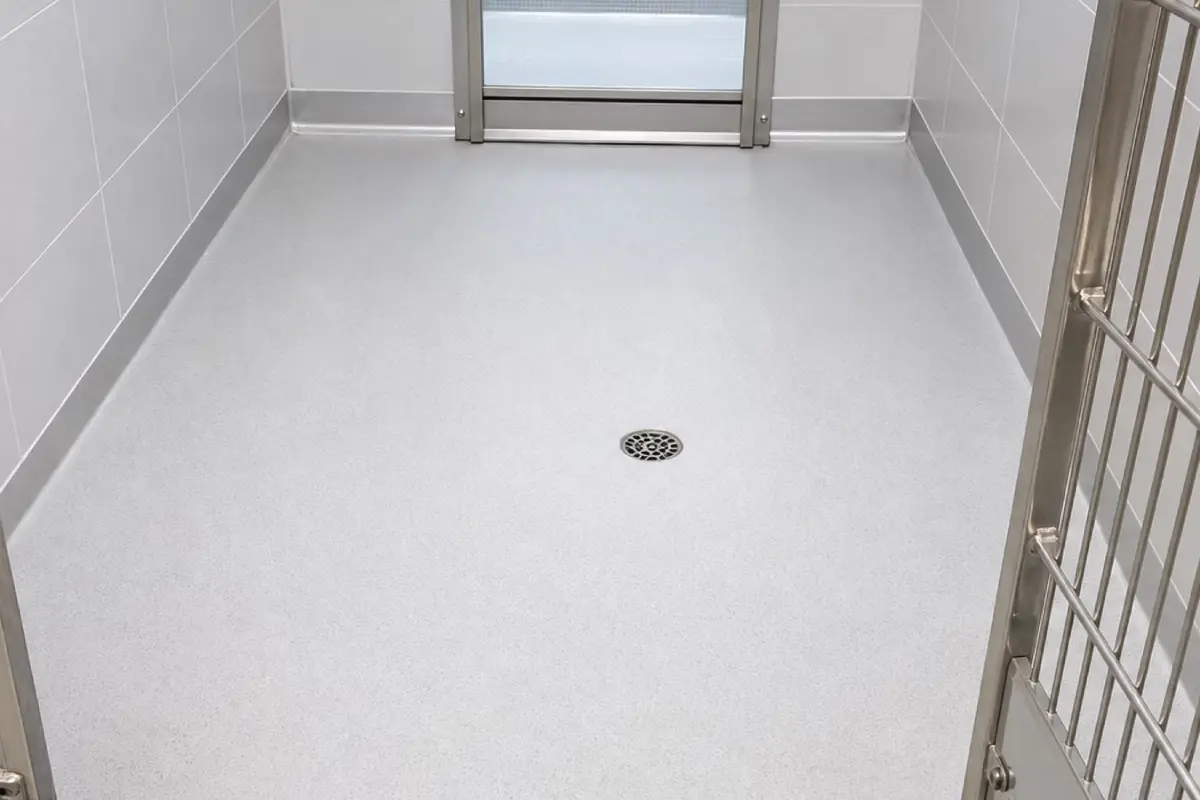
For any facility that houses dogs — a boarding kennel, animal shelter, veterinary clinic, or grooming business — the floor isn’t just a surface, it’s part of the sanitation system. Bare concrete absorbs urine, bacteria, and odor. A properly sealed floor keeps all of that on the surface, where it can actually be cleaned. That’s the core reason Cleveland pet facilities are moving away from bare concrete and basic epoxy toward polyaspartic coatings.
What Are the Key Takeaways for Dog Kennel Flooring?
- Bare concrete is porous and absorbs urine, bacteria, and odor — it cannot be fully sanitized no matter how often it’s cleaned.
- Animal-care standards call for a sealed, impermeable floor surface in kennel and shelter environments.
- Polyaspartic cures in hours, not days, minimizing the time a kennel run is out of service.
- Duralast® Polyaspartic is 100% anti-bacterial and non-porous, standing up to repeated harsh disinfecting.
- J&P Coatings installs both epoxy and polyaspartic systems for Cleveland-area kennels, shelters, and vet clinics.
Why Does Kennel Flooring Matter for Animal Care Standards?
Flooring isn’t a cosmetic choice in an animal-care facility — it’s a sanitation requirement. The Association of Shelter Veterinarians’ Guidelines for Standards of Care in Animal Shelters specifically recommends “a sealed, impermeable surface, such as resinous epoxy or resinous urethane” for kennel and shelter flooring, and notes that surfaces must be able to withstand repeated sanitizing without breaking down. Federal regulations echo this: USDA animal welfare regulations for licensed dog and cat facilities require that “the floors and walls of indoor housing facilities, and any other surfaces in contact with the animals, must be impervious to moisture.” Bare or unsealed concrete does not meet that bar — it’s porous by nature.
Why Are Facilities Choosing Polyaspartic Over Standard Epoxy?
Both epoxy and polyaspartic can create the sealed, non-porous surface animal facilities need. The difference shows up in how each performs under kennel-specific conditions: constant moisture, repeated harsh disinfecting, and minimal tolerance for downtime.
| Factor | Standard Epoxy | Duralast® Polyaspartic |
| Odor & bacteria resistance | Good — seamless once cured | Excellent — non-porous, anti-bacterial surface |
| Cure / return-to-service | 24–72 hours before use | Foot traffic in hours, most jobs done in a single day |
| Chemical & disinfectant resistance | Good with proper cure | Higher — built for repeated harsh sanitizing |
| Slip resistance (wet paws) | Available with additive | Available with textured additive |
| Typical lifespan | 5–10 years | 15+ years |
| Best fit | Lower-traffic, budget-conscious facilities | High-turnover shelters, boarding, and vet facilities |
What Problems Does a Sealed Floor Actually Solve?
Odor and Bacteria Buildup
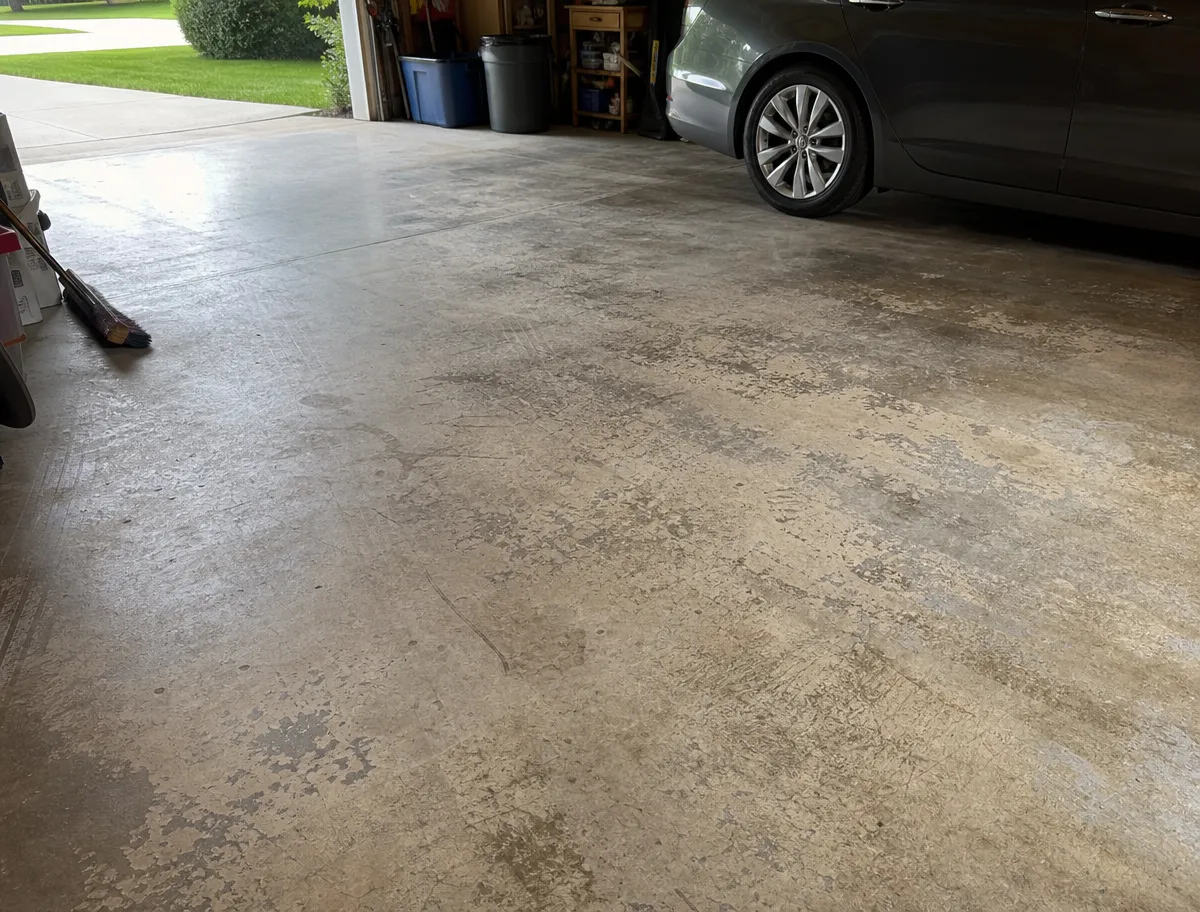
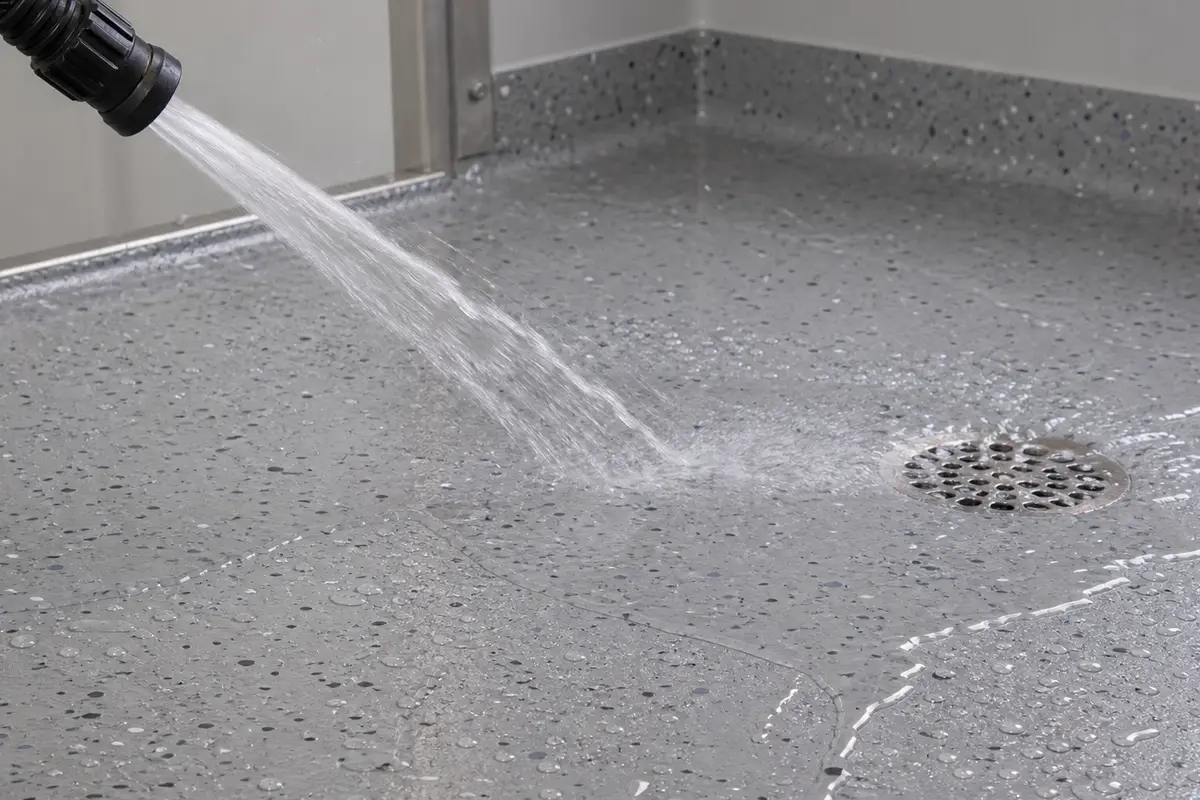
Unsealed concrete absorbs urine at the pore level. Mopping and disinfecting only clean the surface — the liquid and bacteria that soaked in stay there, which is why older kennel floors keep smelling no matter how often they’re washed. A seamless polyaspartic surface keeps everything on top, where actual cleaning reaches it.
Downtime During Turnover
Boarding kennels and shelters rarely have the luxury of taking a run offline for days. Standard epoxy needs roughly one to three days before it can handle traffic; Duralast® polyaspartic is typically ready for use in a matter of hours, which matters when every kennel run needs to stay in rotation.
Claw and Traffic Wear
Dog nails, constant foot traffic, and daily hosing wear down a floor faster than almost any other commercial environment. A textured, slip-resistant topcoat protects paws on wet floors while standing up to scratching that would dull a painted or thinly coated surface within a season.
📞 Ready to Get Started? If your kennel, shelter, or vet clinic floor is still bare concrete or a worn-out coating, J&P Coatings installs Duralast® polyaspartic systems built for daily sanitizing and heavy paw traffic. Contact J&P Coatings today for a free, no-obligation quote.
Can a Coating Handle a High-Turnover Kennel Environment?
A properly installed Duralast® Polyaspartic Coating is engineered for exactly this kind of environment — constant moisture, frequent disinfecting, and heavy daily traffic. Unlike standard epoxy, which can degrade faster under repeated harsh chemical cleaning, polyaspartic maintains its seal and finish over years of institutional-grade sanitizing.
For facilities on a tighter budget, J&P Coatings’ epoxy floor coatings still deliver a seamless, sealed surface that meets the impervious-to-moisture standard — just with a shorter service life and longer cure time than polyaspartic.
TL;DR — Dog Kennel Floor Coatings at a Glance
- Bare concrete absorbs urine and bacteria and cannot be fully sanitized — it doesn’t meet animal-care flooring standards.
- The Association of Shelter Veterinarians recommends sealed epoxy or urethane surfaces for kennel and shelter flooring.
- USDA regulations require animal-facility floors to be impervious to moisture.
- Polyaspartic cures in hours (vs. days for epoxy), minimizing kennel downtime during installation.
- Duralast® Polyaspartic is non-porous and anti-bacterial, built for repeated harsh disinfecting.
- Next step: contact J&P Coatings for a free kennel flooring quote in Greater Cleveland, NE Ohio, or NW PA.
Frequently Asked Questions
Is epoxy or polyaspartic better for a dog kennel floor?
Both meet the sealed-surface standard animal-care guidelines call for, but polyaspartic generally holds up better under a kennel’s specific conditions: constant moisture, frequent harsh disinfecting, and heavy claw traffic. Polyaspartic also cures in hours instead of days, which matters for facilities that can’t take a run out of service for long.
How do you prep a kennel floor that’s soaked in urine odor?
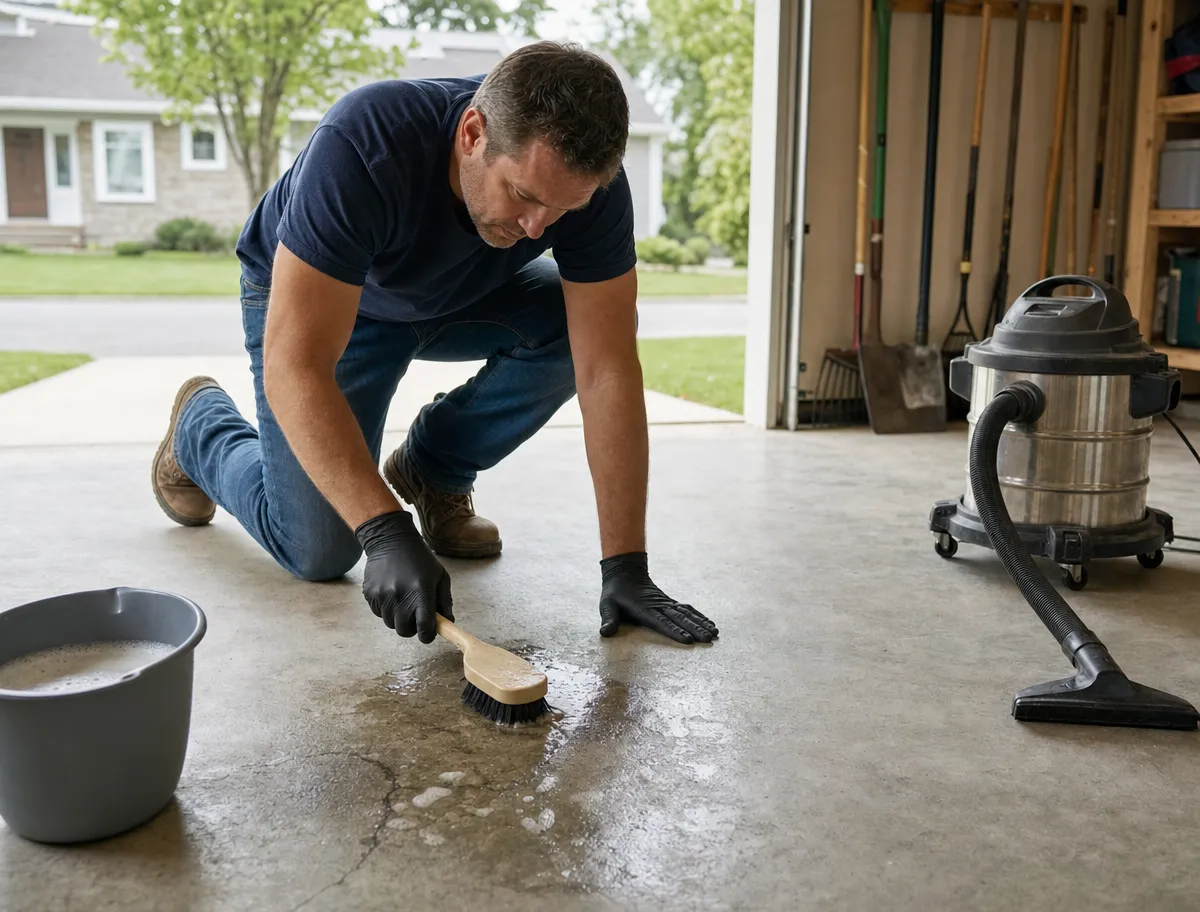
The concrete is diamond-ground to remove the contaminated surface layer and open the pores for a real mechanical bond, addressing odor at the source rather than masking it with a topical cleaner.
Can dogs use the kennel right after coating?
With a fast-curing polyaspartic system, most kennels can return dogs to the space within about 24 hours. Standard epoxy typically needs several days before the area can safely handle regular traffic and cleaning.
Will a coated floor hold up to daily bleach or disinfectant use?
Yes — a properly cured, non-porous coating is specifically designed to withstand the frequent, harsh disinfecting that animal facilities require, which is one of the main reasons bare or painted concrete falls short over time.
Does J&P Coatings work with shelters and veterinary facilities, not just private kennels?
Yes. J&P Coatings installs epoxy and polyaspartic systems for boarding kennels, animal shelters, veterinary clinics, and grooming facilities across Greater Cleveland, Northeast Ohio, and Northwestern Pennsylvania.
Related Resources
- Dog Kennel Floor Concrete Coatings
- Polyaspartic Floor Coatings
- Epoxy Floor Coatings
- Why Do Cleveland Garage Floors Fail From Road Salt and Freeze-Thaw Cycles?
Bare or worn concrete in a kennel, shelter, or vet clinic only gets harder to sanitize as it ages. J&P Coatings installs Duralast® polyaspartic systems built to handle daily disinfecting, claw traffic, and constant moisture. Contact J&P Coatings today for a free, no-obligation quote on kennel floor coatings.
About J&P Coatings: J&P Coatings is a family-owned concrete coating contractor based in Middlefield, OH, specializing in polyaspartic and epoxy floor coatings for garages, basements, commercial spaces, and specialty facilities like kennels and shelters across Greater Cleveland and Northeast Ohio. Contact us for a free, no-obligation quote.