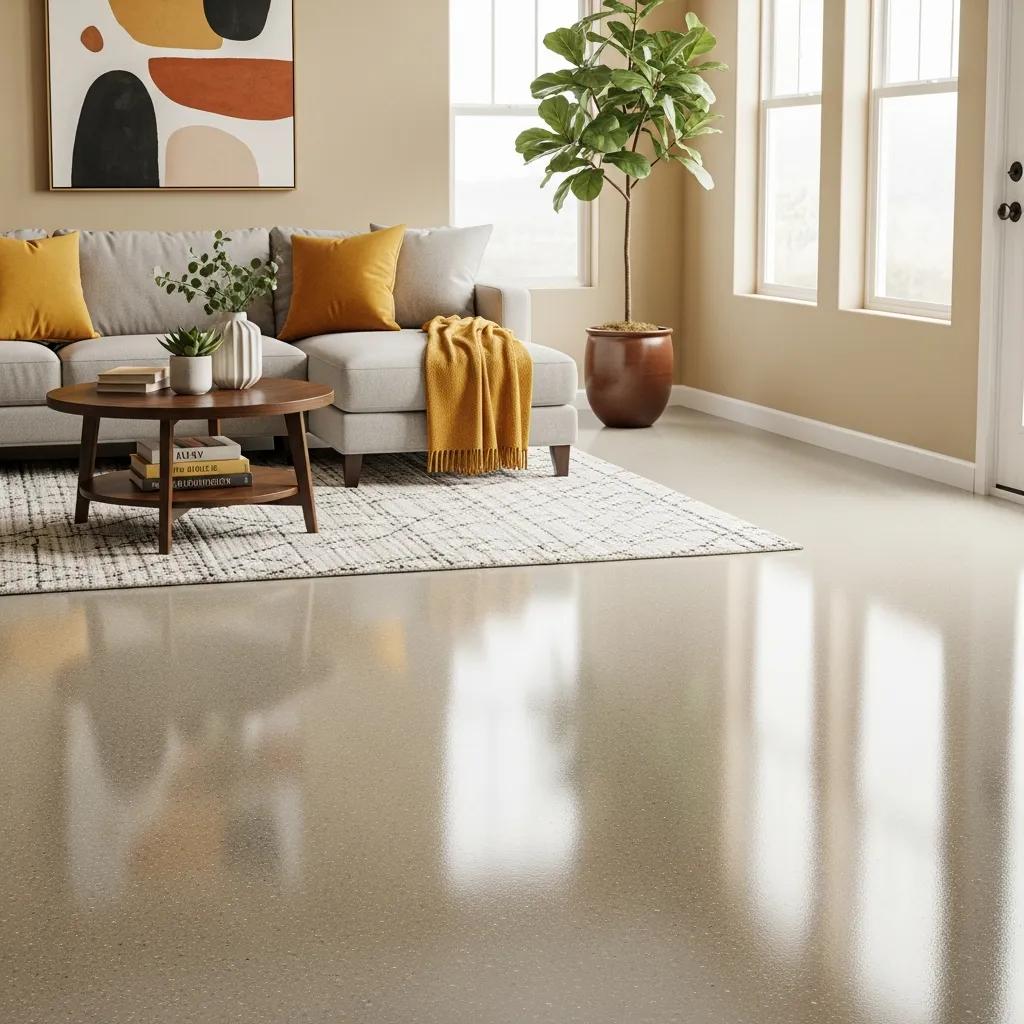
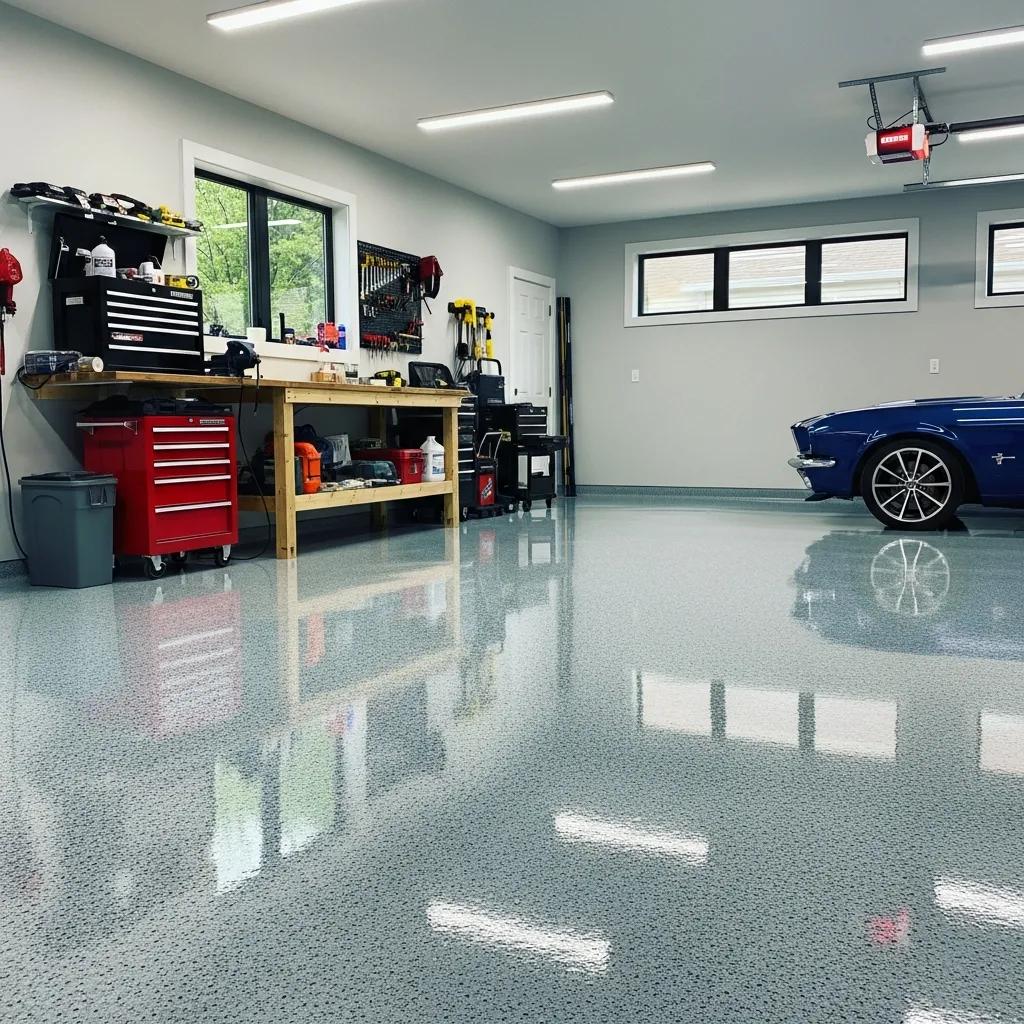
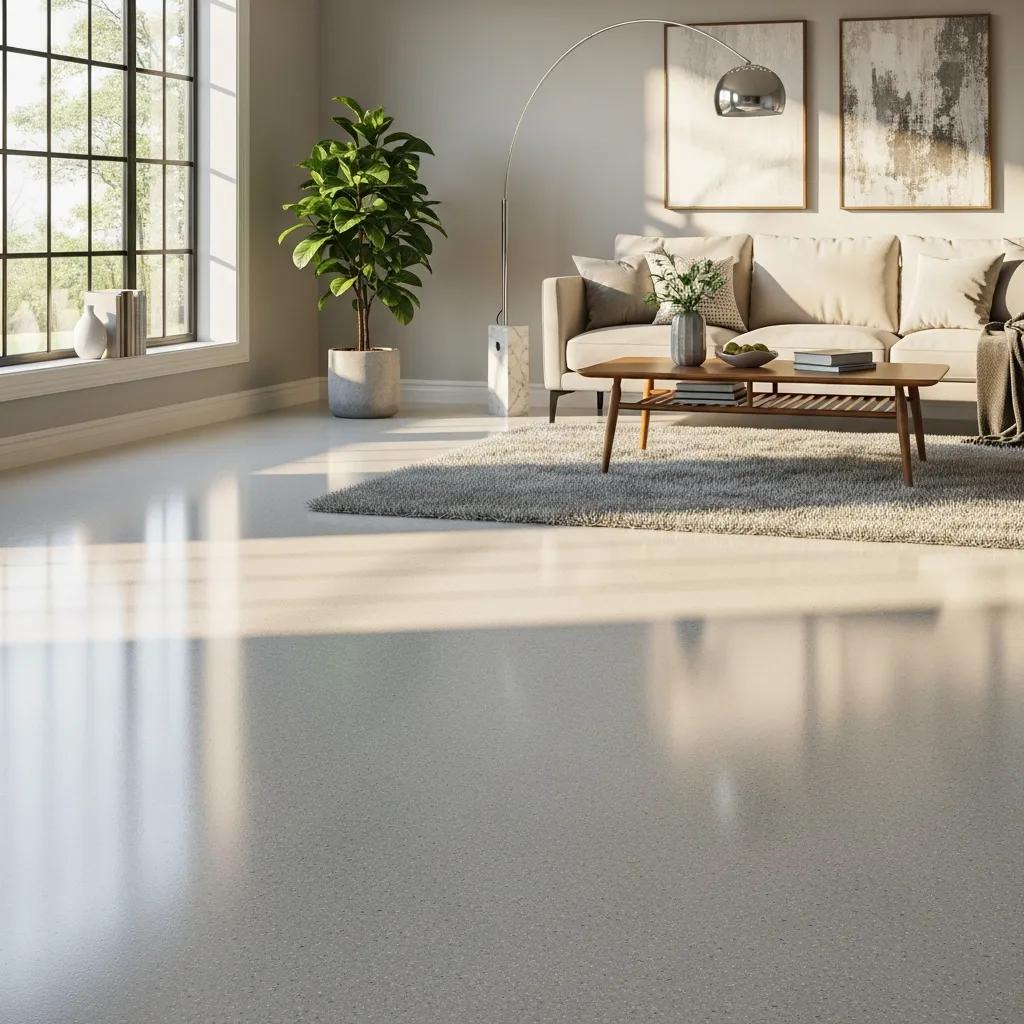
Many property owners face challenges in selecting the right flooring that balances durability, maintenance, and cost. Epoxy flooring emerges as a strong contender, offering a solution that meets these needs effectively. We will explore the characteristics of epoxy flooring, its comparison with concrete and tile options, and the expected lifespan in different settings.
What Defines Epoxy Floor Coating Durability?
Epoxy floor coating durability is defined by its ability to withstand wear, impact, and chemical exposure while maintaining its aesthetic appeal. This durability is primarily attributed to the chemical composition of epoxy, which consists of a resin and a hardener that create a strong bond when cured. The result is a surface that is not only tough but also resistant to stains and spills, making it ideal for high-traffic areas. Understanding the factors that influence this durability is crucial for making informed flooring choices.
Which Factors Affect Epoxy Floor Longevity?
Several factors significantly impact the longevity of epoxy flooring. Environmental conditions, such as temperature and humidity, play a critical role in the curing process. Additionally, the quality of installation is paramount; poorly applied epoxy can lead to premature failure. Regular maintenance practices, including cleaning and periodic inspections, also contribute to extending the lifespan of epoxy floors. By addressing these factors, property owners can ensure their epoxy flooring remains durable for years to come.
How Does Epoxy Compare to Polyaspartic and Polyurea Coatings?

When comparing epoxy to other advanced coatings like polyaspartic and polyurea, several key differences emerge. Epoxy typically has a longer curing time, which can be a disadvantage in fast-paced environments. However, it excels in durability metrics, offering superior resistance to chemicals and abrasion. Polyaspartic coatings cure faster and are more flexible, making them suitable for areas with extreme temperature fluctuations. Polyurea, on the other hand, provides rapid curing and excellent impact resistance but generally has lower chemical resistance compared to epoxy. A comparison table below highlights these differences.
Coating Type - Curing Time - Durability - Chemical Resistance - Cost
Epoxy: 24 hours | High | Excellent | Moderate
Polyaspartic: 1-2 hours | Moderate to High | Very Good | Higher
Polyurea: 1-2 hours | High | Good to Moderate | Higher
This comparison illustrates that while epoxy may take longer to cure, its durability and chemical resistance make it a preferred choice for many applications.
How Does Epoxy Flooring Compare to Other Garage Floor Options?
Epoxy flooring stands out when compared to other common garage floor options, such as concrete and tile. Each flooring type has its unique advantages and disadvantages, which can influence a homeowner's decision.
Epoxy vs. Concrete Garage Floors: Durability and Maintenance Differences
Concrete garage floors are often seen as a standard choice due to their initial cost-effectiveness. However, they are prone to cracking and staining, which can compromise their durability over time. In contrast, epoxy coatings provide a seamless surface that is resistant to these issues. Maintenance for concrete floors typically involves sealing and repairing cracks, while epoxy floors require less frequent upkeep, primarily involving regular cleaning.
What Are the Pros and Cons of Epoxy vs. Tile Flooring for Garages?
When comparing epoxy to tile flooring, several factors come into play. Epoxy offers a continuous surface that is easier to clean and maintain, while tile can be more aesthetically pleasing and available in various designs. However, tile is susceptible to cracking and may require grout maintenance, which can be a drawback. The following list summarizes the pros and cons of each option:
Pros of Epoxy Flooring:
Durability: Highly resistant to wear and tear.
Low Maintenance: Easy to clean and maintain.
Chemical Resistance: Protects against spills and stains.
Cons of Epoxy Flooring:
Curing Time: Requires time to cure before use.
Surface Temperature: Can become slippery when wet unless anti-slip additives are used.
Pros of Tile Flooring:
Aesthetic Variety: Available in numerous designs and colors.
Cool Surface: Remains cool underfoot in hot weather.
Cons of Tile Flooring:
Cracking Risk: Prone to cracking under heavy impact.
Grout Maintenance: Requires upkeep to prevent staining.
This comparison highlights that while both flooring options have their merits, epoxy flooring often provides a more durable and low-maintenance solution for garages.
What Is the Expected Lifespan of Epoxy Flooring in Various Settings?
The expected lifespan of epoxy flooring can vary significantly based on the environment in which it is installed. Understanding these differences is essential for property owners considering epoxy as a flooring solution.

Residential Epoxy Flooring Durability and Care Tips
In residential settings, epoxy flooring can last between 10 to 15 years with proper care. Regular cleaning and avoiding harsh chemicals can help maintain its appearance and durability. Homeowners should also consider applying a topcoat every few years to enhance protection against wear and tear.
Commercial and Industrial Epoxy Floor Lifespan Considerations
In commercial and industrial environments, epoxy flooring is designed to withstand heavier traffic and more demanding conditions. According to industry research on floor coating durability, with proper installation and maintenance, epoxy floors in these settings can last 10 to 20 years or more. Factors such as the type of traffic, exposure to chemicals, and maintenance practices will influence the actual lifespan.
How Does Epoxy Flooring Perform in High-Traffic and Chemical-Exposed Areas?
Epoxy flooring is particularly well-suited for high-traffic and chemically exposed areas due to its robust properties. Understanding its performance in these environments is crucial for businesses and homeowners alike.
Chemical Resistance of Epoxy Floors in Commercial Kitchens and Automotive Facilities
In commercial kitchens, epoxy flooring provides excellent chemical resistance, making it ideal for areas exposed to oils, acids, and cleaning agents. Its seamless surface prevents the accumulation of bacteria and is easy to clean, ensuring a hygienic environment. Similarly, in automotive facilities, epoxy floors can withstand spills from oils and chemicals without degrading, maintaining their integrity over time.
Impact and Abrasion Resistance for Heavy-Duty Garage Floors
Epoxy flooring also excels in impact and abrasion resistance, making it suitable for heavy-duty garage floors. It can withstand the weight of vehicles and the impact from dropped tools without chipping or cracking. This durability is essential for maintaining a safe and functional workspace.
What Are the Cost and Maintenance Benefits of Choosing Epoxy Flooring?
Choosing epoxy flooring not only offers durability but also presents significant cost and maintenance benefits over time. Understanding these advantages can help property owners make informed decisions.
Long-Term Value: Cost-Benefit Analysis of Epoxy vs. Traditional Flooring
When comparing the long-term costs of epoxy flooring to traditional options like concrete or tile, epoxy often proves to be more economical. While the initial installation cost may be higher, the reduced maintenance and longer lifespan result in lower overall expenses. For instance, epoxy flooring typically requires less frequent repairs and cleaning, translating to savings in maintenance costs.
Maintenance Practices to Maximize Epoxy Floor Durability
To maximize the durability of epoxy flooring, property owners should adopt specific maintenance practices recommended by the American Concrete Institute. Regular cleaning with mild detergents, avoiding harsh chemicals, and promptly addressing spills can significantly extend the life of the flooring. Additionally, periodic inspections for wear and tear can help identify issues before they become significant problems.
J&P Coatings specializes in high-quality epoxy flooring solutions, providing expert installation services that emphasize durability and aesthetic enhancement.