What Are the Core Components Influencing Epoxy Flooring Costs?
The cost of epoxy flooring is influenced by several core components, including materials, labor, and surface preparation. Understanding these factors can help you anticipate the overall expenses associated with your flooring project.
How Do Materials, Labor, and Surface Preparation Affect Pricing?
Materials play a significant role in determining the cost of epoxy flooring. Different types of epoxy resins, such as solid color epoxy, flake epoxy, and metallic epoxy, vary in price and performance. Labor costs also contribute to the overall expense, as skilled professionals are required for proper installation. Additionally, surface preparation is crucial; if the concrete substrate is not adequately prepared to industry standards like those set by the American Concrete Institute, it can lead to issues such as peeling or bubbling, resulting in higher costs for repairs or reinstallation.
Why Is Professional Installation Essential for Cost Efficiency?
Hiring professionals for epoxy installation is essential for ensuring cost efficiency. While DIY options may seem appealing, they often lead to mistakes that can be costly to fix. Professional installers have the expertise to handle surface preparation, material application, and finishing techniques—including proper ventilation and safety protocols for epoxy resins—which can save you money in the long run by preventing costly errors and ensuring a high-quality finish.
How Do Different Epoxy Floor Finishes Impact Cost Variations?
The type of epoxy finish you choose can significantly impact the overall cost of your flooring project. Each finish offers unique benefits and price points, making it essential to understand your options.
What Is the Price Range and Benefits of Solid Color Epoxy?
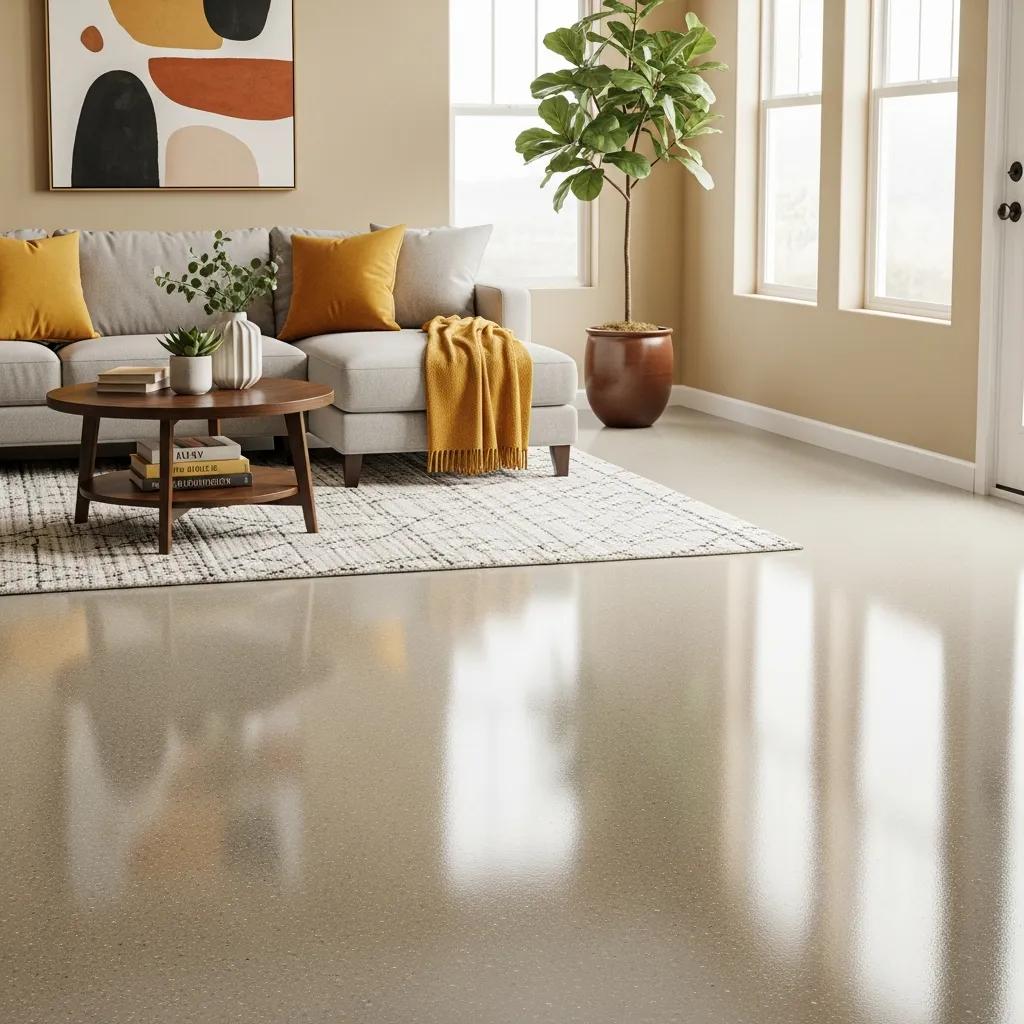
Solid color epoxy is one of the most straightforward and cost-effective options available. Typically, the price range for solid color epoxy is between $3 to $6 per square foot, according to national averages from HomeAdvisor. This finish is known for its durability and ease of maintenance, making it ideal for residential garages and commercial spaces. Its seamless appearance also enhances the aesthetic appeal of any area.
How Do Flake and Metallic Epoxy Finishes Compare in Cost and Style?
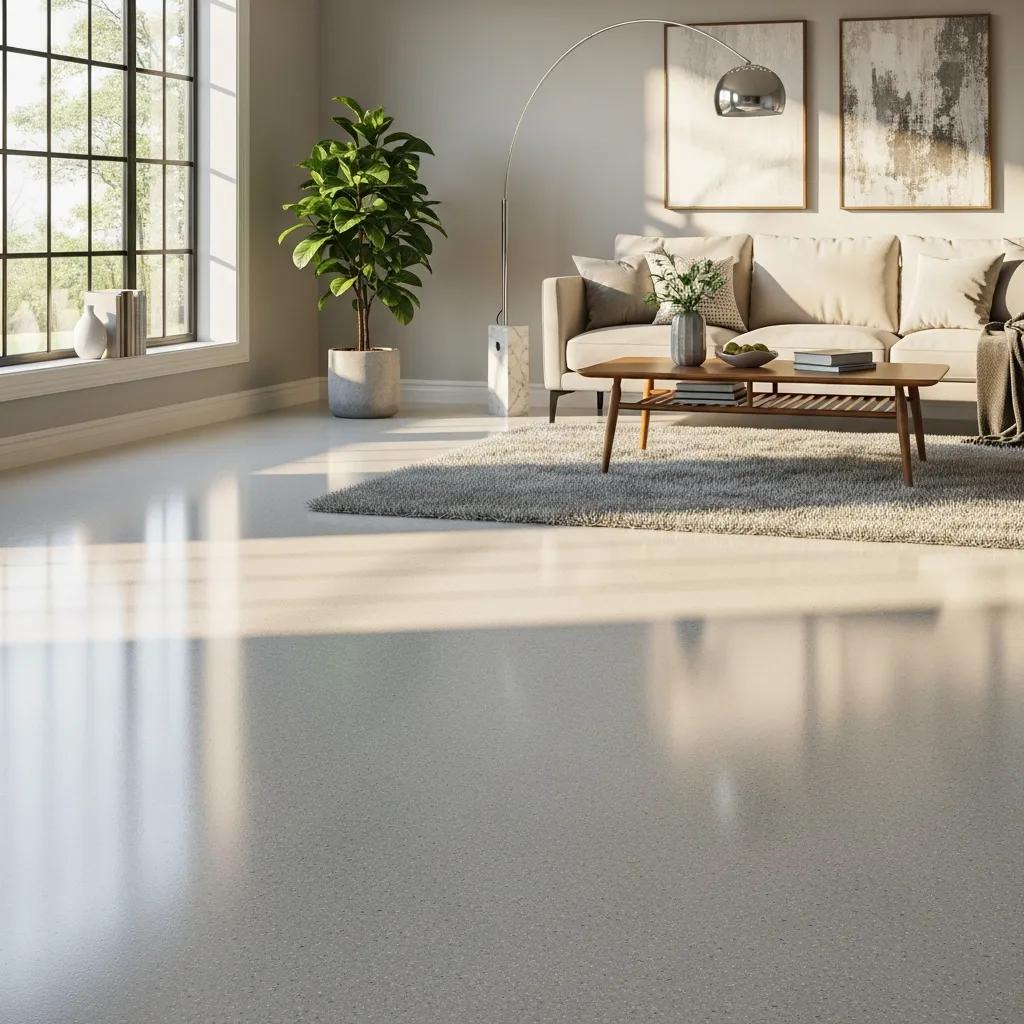
Flake and metallic epoxy finishes offer more decorative options but come at a higher price. Flake epoxy generally costs between $4 to $8 per square foot, while metallic epoxy can range from $7 to $12 per square foot. Flake finishes provide a textured look that can hide imperfections, while metallic finishes create a stunning, high-gloss appearance that can elevate the overall design of a space. Both options are durable and can withstand heavy foot traffic, making them suitable for various applications. For projects requiring even faster curing times and enhanced UV stability, polyaspartic floor coatings offer a premium alternative with similar aesthetic versatility and superior durability characteristics.

Which Key Factors Should You Consider When Estimating Epoxy Garage Floor Costs?
When estimating the costs of epoxy garage flooring, several key factors should be taken into account to ensure an accurate budget.
How Do Square Footage and Concrete Condition Influence Pricing?
Square footage is a primary factor in determining the overall cost of your epoxy flooring project. Generally, the larger the area, the lower the cost per square foot due to economies of scale. Additionally, the condition of the concrete substrate can significantly impact pricing. If the concrete is cracked or uneven, additional preparation work will be required, increasing the overall cost.
What Role Do Customization and Geographic Location Play in Cost?
Customization options, such as unique colors or patterns, can also affect the price of epoxy flooring. Custom designs often require more labor and specialized materials, leading to higher costs. Furthermore, geographic location plays a role in pricing, as labor rates and material availability can vary significantly from one region to another.
What Are the Cost Differences Between Residential and Commercial Epoxy Flooring?
Understanding the cost differences between residential and commercial epoxy flooring is crucial for homeowners and business owners alike.
How Do Garage and Basement Epoxy Costs Vary for Homeowners?
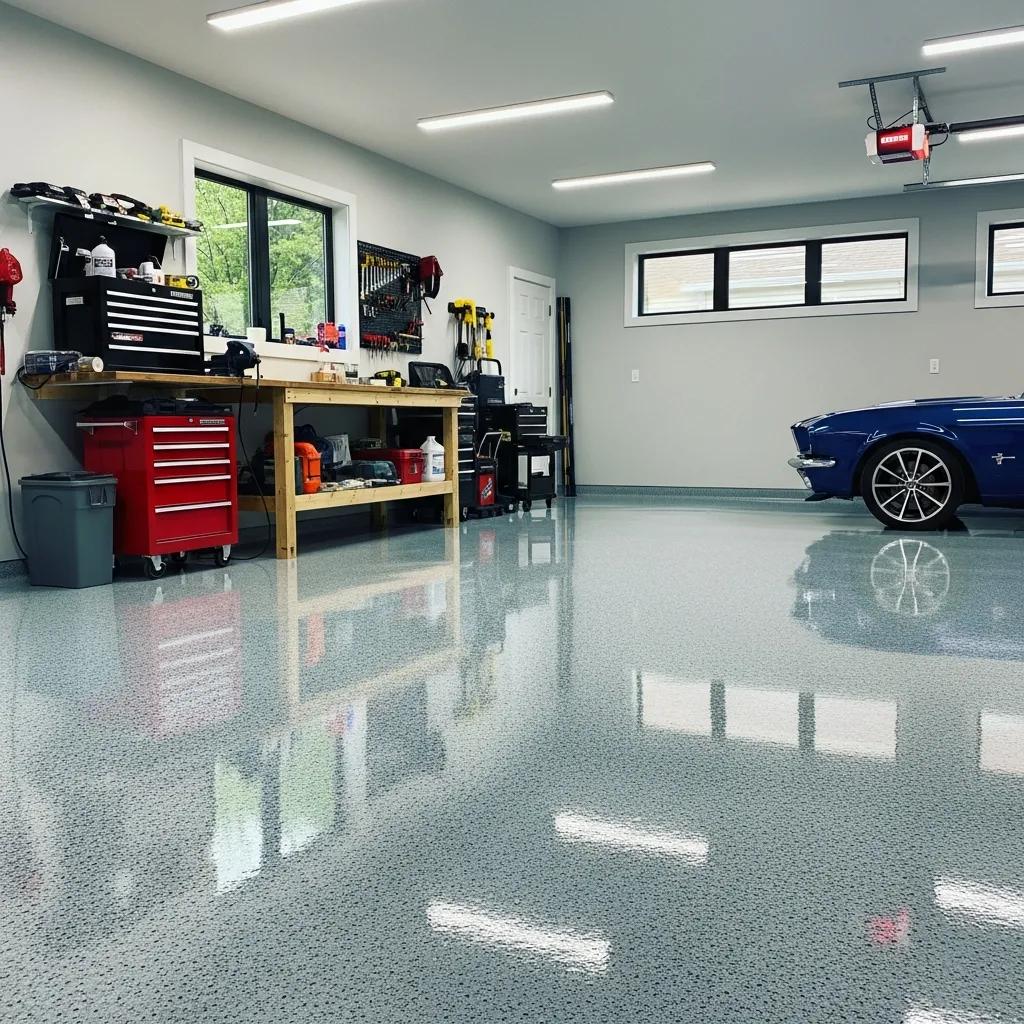
For homeowners, the cost of garage floor coatings in garages and basements typically ranges from $3 to $8 per square foot, depending on the finish and complexity of the installation. Garages often require more durable finishes due to vehicle traffic, while basement epoxy coatings may focus on moisture resistance and aesthetic appeal.
What Are Commercial Epoxy Flooring Prices for Business Owners?
Commercial epoxy flooring prices can vary widely based on the type of business and the specific requirements of the space. Generally, commercial floor coating costs range from $5 to $12 per square foot. Businesses often opt for more decorative finishes or specialized coatings that can withstand heavy foot traffic and spills, which can increase the overall investment.
How Does Long-Term Value Affect the Overall Cost of Epoxy Floor Finishes?
Considering the long-term value of epoxy flooring is essential when evaluating costs. While the initial investment may seem high, the durability and low maintenance requirements can lead to significant savings over time.
What Is the Return on Investment Considering Durability and Maintenance?
Epoxy flooring is known for its longevity, often lasting 10 to 15 years with proper care. This durability translates to a strong return on investment, as homeowners and business owners can avoid frequent replacements or repairs. Additionally, the low maintenance requirements of epoxy flooring, such as simple cleaning and occasional re-coating, further enhance its value.
Indeed, comprehensive financial planning for flooring projects often involves a detailed life-cycle cost analysis to understand the true long-term investment.
Life-Cycle Cost Analysis for Flooring Decisions
The aim of this study is to develop an algorithm for life-cycle cost analysis (LCCA) and evaluate flooring products to inform decision makers about the long-term cost of ownership.
Life-cycle cost analysis (LCCA): a comparison of commercial flooring, D Harris, 2017
Furthermore, when considering the overall life-cycle cost, the impact of ongoing maintenance procedures cannot be overstated.
Impact of Maintenance on Flooring Life Cycle Costs

Maintenance procedures may account for a significant portion of environmental and economic impacts of floorings. Maintenance costs considerably increase the total cost, accounting for 49 % of hardwood’s total cost and about 30 % of costs for linoleum, vinyl, and carpet. The expected service life of the home greatly influences which flooring is best, as costs and environmental scores change dynamically over time.
Should You Choose DIY or Professional Epoxy Installation for Cost Savings?
While DIY installation may seem like a cost-saving option, it often leads to higher long-term expenses due to potential mistakes and the need for repairs. Professional installation ensures that the job is done correctly the first time, providing peace of mind and a high-quality finish that can withstand the test of time.
Why Choose J&P Coatings for Your Epoxy Flooring Project in Greater Cleveland and Surrounding Areas?
When considering epoxy flooring options, choosing the right contractor is crucial for achieving the best results. J&P Coatings stands out as a premier choice for epoxy flooring projects in Greater Cleveland and surrounding areas.
What Unique Benefits Does J&P Coatings Offer for Epoxy Floor Cost and Quality?
J&P Coatings specializes in high-quality garage, basement, and commercial floor coatings, including epoxy, polyurea, and polyaspartic systems. Their expertise ensures that you receive a durable and aesthetically pleasing finish tailored to your specific needs. With a focus on customer satisfaction, J&P Coatings provides free consultations to help you understand your options and make informed decisions.
How Can a Free On-Site Consultation Help You Understand Your Epoxy Flooring Investment?
A free on-site consultation from J&P Coatings allows you to receive personalized assessments of your flooring needs. During this consultation, you can discuss your budget, desired finishes, and any specific requirements for your space. This tailored approach ensures that you make the best investment in your epoxy flooring project, maximizing both quality and value.